


Evaluating Speech, Sound Systems, and Historical Reference Material
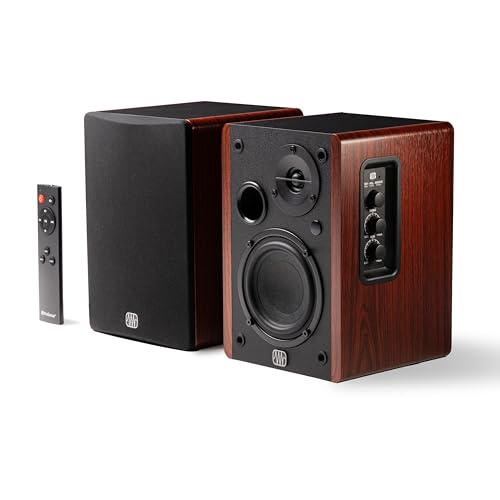
Delivering a message with clarity often depends on matching the right presentation techniques with reliable sound reinforcement. Whether studying the vocal delivery of famous orators or outfitting a hall for spoken presentations, poor acoustic balance and confusing technical terminology can easily derail communication. Exploring a Great Speakers In History Guide helps bridge the gap between historical speech principles and practical audio deployment. Finding reference material that explains sound distribution allows organizers and speakers to project their voices effectively without overwhelming listeners. Readers seeking clear dialogue in live environments can also explore speakers designed for vocal reproduction to see how dedicated equipment handles the human voice.
Available guides offer distinct entry points depending on your specific focus. For instance, Hal Leonard provides the Guide to Sound Systems for Worship (associated with Yamaha Model#HL00290243), which focuses directly on audio hardware, layout, and room acoustics for spoken services. On the cultural and linguistic side of vocal expression, Alpha Books offers the Complete Idiot’s Guide to Learning Yiddish to help readers explore traditional phrasing, idiom, and cultural speech. Comparing these options allows you to choose between sound reinforcement fundamentals and language-based communication studies based on your personal learning goals.


Frequently Asked Questions
What should you look for in a Great Speakers In History Guide?
A solid guide should provide clear explanations of speech mechanics, acoustic layout, or communication principles without excessive technical jargon. Look for resources that match your specific goals, whether you need hardware setup advice or rhetorical background. Practical illustrations and step-by-step guidance make complex concepts much easier to apply.
How do room acoustics impact spoken presentations?
Room acoustics determine whether speech remains intelligible or becomes lost in excessive echo. Reflective surfaces like concrete and glass bounce sound, making consonants difficult to distinguish. Learning proper speaker dispersion helps direct sound straight toward the audience. Those exploring customized audio setups can check if tweeter and horn speakers are sold individually to better control directional high frequencies.
Why does vocal clarity require different audio tuning than music?
Vocal clarity relies primarily on clear midrange frequencies where the human voice sits. Music setups often emphasize deep bass and airy treble, which can muddy spoken consonants if applied to voice amplification. Keeping low frequencies controlled prevents boominess during speeches. Clean gain structure and proper microphone technique also keep dialogue articulate.
How does Guide to Sound Systems for Worship assist speech presentation?
The publication outlines how to configure sound reinforcement in large, highly reverberant spaces. Published by Hal Leonard with Yamaha Model#HL00290243, it details mixer settings, microphone choices, and speaker placement. These guidelines help sound operators prevent feedback and keep spoken messages clear for every listener.
How does studying linguistic guides support vocal delivery?
Studying language guides enhances your understanding of cadence, inflection, and cultural idiom. Publications like Complete Idiot’s Guide to Learning Yiddish from Alpha Books highlight how phrasing influences storytelling and vocal expression. Exploring diverse language traditions helps speakers appreciate how historic figures connected with their listeners through memorable speech patterns.



Write Your Review
No reviews yet. Be the first to share your experience!