


Factory vehicle audio systems frequently leave listeners underwhelmed with hollow midrange, muddy bass, and harsh high frequencies during daily commutes. Stepping up to larger oval drivers provides a substantial boost in cone surface area, which immediately aids lower midrange presence and dynamic output without requiring custom enclosure fabrication. When determining %what are best 6×9 speakers% for a vehicle upgrade, listeners must evaluate how cone materials, power ratings, and driver configurations interact with their existing stereo hardware. While some drivers prefer full component car speaker setups with outboard crossovers, drop-in coaxial units offer an accessible path to balanced fidelity.
Standard vehicle locations such as the rear parcel shelf or lower front door cards benefit immensely from the expansive radiating area inherent to the six-by-nine-inch footprint. Unlike smaller drivers, including compact four-inch vehicle speakers designed primarily for tight dash cavities, six-by-nine drivers move enough air to produce solid acoustic energy across diverse music genres. Choosing the ideal replacement hinges on matching your head unit or amplifier wattage against voice coil impedance, while keeping mounting depth and factory wiring harnesses in mind. Understanding these technical trade-offs helps drivers select a speaker set that delivers reliable clarity, clean vocal articulation, and punchy output for every road trip.

Pros
- Exceptional balance across low, mid, and high frequencies for full-range car sound
- High sensitivity for loud playback without straining your amp
- Universal 6x9 sizing for easy drop-in replacement in trucks and sedans
- Durable build with stylish finish that withstands daily vehicle use
Cons
- Requires external amplifier for power, not plug-and-play
- Professional installation recommended for best fit and wiring
- No built-in amplification for factory head unit only setups
The Pioneer TS-F6935R are a pair of 6x9-inch 3-way coaxial car speakers designed to transform your vehicle's audio system. With a woofer, midrange driver, and tweeter, they provide a complete sound profile that outperforms most factory speakers, making them ideal for budget-minded drivers wanting richer music on commutes or road trips.
Targeted at car enthusiasts who pair speakers with an external amp, these passives offer flexibility for custom setups in sedans, trucks, or SUVs. Real-world performance shines in delivering detailed audio at high volumes, thanks to 230W max power and 87dB sensitivity, ensuring clarity even on bumpy roads.
Installation fits standard mounts, but pros advise professional help for wiring. Overall verdict: a top value upgrade for dynamic, fatigue-free listening that punches above its price for everyday drivers.
Bass depth comes from the robust woofer, providing punchy lows that fill the cabin during rock tracks or hip-hop beats without muddiness. Vocal clarity excels via the dedicated midrange, keeping lyrics sharp and instruments separated for podcasts or audiobooks on long drives.
Volume levels reach distortion-free peaks with 230W handling and high sensitivity, perfect for open-road blasting. The 4-ohm impedance pairs stably with most amps, maintaining consistent output across frequencies for reliable performance in any car environment.
Sleek black and silver flush-mount design blends modern aesthetics into any dashboard or door panel, enhancing your vehicle's interior without looking out of place. Built tough for car vibrations and daily use, though no specific IP rating for water exposure.
As passive speakers, no battery is needed; they draw efficient power from your amp or head unit, with 30W nominal handling for sustained play without drain issues. Lightweight standard sizing simplifies handling during installs, focusing energy on sound over portability.

Pros
- Exceptional power handling at 180W max and 60W RMS
- Wide frequency response from 35Hz for balanced car audio
- Durable steel construction built for tough vehicle conditions
- Easy integration with 4-ohm factory amps
- Unique 3-way setup with two tweeters per speaker
Cons
- Optimized for amplifiers to reach full potential
- 6x9 size may require checking vehicle fitment
- Lacks user reviews for long-term reliability insights
The DS18 G6.9Xi GEN-X 6x9 3-way coaxial speakers are a powerhouse upgrade for any car audio system, delivering 180W max power and a full-range sound that crushes stock speakers. Designed for American drivers who demand clarity on long road trips or bass drops during tailgates, these come as a pair with grills for a pro look.
Audio enthusiasts will love the immersive experience, from highway cruising to off-road trails, where the steel basket keeps them rock-solid. They slot into most 4-ohm factory setups or shine brightest with an amp, transforming dull commutes into concerts.
In real-world use, expect detailed highs and thumping lows that bring playlists to life without distortion. While new to the scene with fresh appeal, their specs promise reliability for daily drivers and weekend warriors alike.
Verdict: A top pick for budget-conscious upgrades seeking pro-level sound in trucks, SUVs, or sedans. Grab these to elevate your ride's audio game today.
With Mylar balanced dome tweeters and a 3-way design featuring two per speaker, the G6.9Xi nails crystal-clear highs across the highest frequencies, ensuring vocals and cymbals cut through even at highway speeds.
Bass dives deep to 35Hz for punchy lows that rattle your chest during rock anthems or hip-hop beats, while 60W RMS handles sustained volume without muddiness. The full-range response creates a balanced stage perfect for any genre.
Power up to 180W max means effortless loudness for open-road freedom, outperforming factory speakers in clarity and depth every time.
The rugged steel basket stands up to vibrations, dust, and rough terrain, making these ideal for off-roaders or daily commuters who need speakers that last seasons without fading.
At 4-ohms, they pair seamlessly with factory amps or aftermarket setups, with easy install that skips complex wiring. Grills protect the drivers for a finished, vehicle-ready look.
While not battery-powered, the 60W RMS rating sustains high performance through long drives, backed by durable build that handles heat and abuse better than plastic alternatives.

Pros
- Broad frequency range for rich sound reproduction
- High sensitivity for distortion-free volume
- Easy installation with included adapters
- Strong power handling for dynamic performance
- Balanced 4-way drivers for precise audio
Cons
- Requires compatible 6x9 speaker openings
- Best with amplifier for maximum 450W output
- Continuous 90W handling limits extreme volumes on stock head units
The Pioneer TS-A6961F speakers are a pair of 6x9-inch 4-way coaxial car speakers designed as an ideal upgrade for factory audio systems. They feature separate drivers for different frequencies, ensuring more accurate sound reproduction than basic stock speakers.
These are perfect for American commuters and road trippers who want to elevate their in-car listening without complex modifications. With installation adapters included, they fit a variety of vehicles easily, making them a go-to for DIY audio upgrades.
In real-world driving, they handle diverse genres from rock to podcasts with clarity, thanks to their wide frequency response and high sensitivity. Users notice immediate improvements in treble smoothness and bass depth over OEM setups.
Overall verdict: A solid 4.6-rated choice for budget-conscious drivers seeking reliable, powerful sound enhancement on daily drives or long hauls.
The 4-way design shines with enhanced bass from the woofer and smooth treble from the tweeter, creating a balanced signature that fills the car cabin evenly. Vocal clarity stands out across the 29Hz to 28kHz range, making lyrics and instruments pop during highway cruises.
With 92dB sensitivity, these speakers reach high volume levels without distortion, even on moderate factory power. The 450W max and 90W continuous handling support dynamic peaks for bass-heavy tracks or loud rock anthems.
Performance excels in everyday scenarios like traffic jams or open-road blasting, delivering consistent audio that outperforms basic coaxials.
The coaxial build integrates all drivers neatly into a 6x9-inch frame, with a simple mounting design for hassle-free swaps. Included multi-fit adapters boost compatibility across truck, SUV, and sedan doors, enhancing acoustic seal for better sound.
Constructed for car environments, they handle road vibrations well, though no specific IP rating is listed. The lightweight design aids easy handling during installs.
Power draw aligns with stock head units via 90W continuous handling, efficient for long drives without draining the car battery quickly. No charging needed; they thrive on vehicle power for extended sessions.


Pros
- Accurate 4-way sound reproduction with wide frequency range
- High power handling and sensitivity for distortion-free volume
- Simple installation thanks to included adapters
Cons
- Requires amplifier for maximum 600W output
- Larger 6x9 size best suited for trucks and SUVs
- Coaxial design limits extreme customization options
The Pioneer TS-A6971F A-Series Plus speakers are a pair of 6x9-inch 4-way coaxial car speakers designed as an ideal factory upgrade. They feature separate drivers for different frequencies, ensuring more accurate sound than basic stock speakers. With 600W maximum power and 100W continuous handling, they bring dynamic audio to sedans, trucks, and SUVs without needing a full system overhaul.
Perfect for American drivers who spend hours on highways or in traffic, these speakers excel in real-world scenarios like long road trips or daily commutes. The balanced sound signature shines with podcasts, country tunes, or hip-hop beats, providing clarity that stock systems lack. Installation is straightforward with included multi-fit adapters, making them accessible for DIY enthusiasts.
Overall, the TS-A6971F stands out for its value, delivering professional-grade audio upgrades effortlessly. If you're tired of muffled factory sound, this pair offers a noticeable leap in quality and power for everyday driving adventures.
Expect balanced audio with smooth treble and enhanced bass from the 4-way design, covering a broad 29Hz to 33kHz frequency response. This range handles everything from deep bass lines in rap to sparkling highs in pop, making drives more engaging without muddiness.
High 92dB sensitivity means loud, clear output even from lower-powered head units, maintaining detail at highway volumes. Power handling up to 600W ensures punchy dynamics for tailgating or open-road cruising, with minimal distortion.
Ideal for upgrading older vehicles, these speakers provide stable performance across genres, turning your car into a mobile stage.
The rugged coaxial build is engineered for car environments, resisting vibrations and daily wear. At 6x9 inches, they fit most factory locations with included multi-fit adapters for flexible mounting and better acoustics.
Simple design prioritizes ease, allowing quick swaps without custom fabrication. No onboard battery needed; they draw efficient power from your vehicle's system, with 92dB sensitivity optimizing low-input performance.
Compact yet powerful, they enhance soundstaging in cabins while keeping weight manageable for seamless integration into trucks or sedans.

Pros
- High 90W RMS power for sustained loud volumes
- Polypropylene cones ensure clear, detailed sound across frequencies
- 4-ohm match works with most factory head units
- 3-way setup provides balanced bass, mids, and treble
- Rugged construction for reliable car use
Cons
- Requires secure mounting to avoid rattles in rough terrain
- Best with amplifier to unlock full 360W potential
- Large 6x9 size limits fit in compact vehicles
The KICKER DSC69304 are premium 6x9-inch 3-way coaxial car speakers designed to transform your vehicle's audio system. Featuring 90W RMS and 360W peak power handling, along with durable polypropylene cones and 4-ohm impedance, they deliver powerful, clear sound that outperforms stock speakers.
Ideal for daily commuters, road trippers, and car audio enthusiasts in sedans, trucks, or SUVs, these speakers excel in real-world scenarios like blasting tunes on long drives or filling parking lots at tailgates with doors open. Their 3-way design ensures balanced output from thumping bass to sharp highs, making every journey more immersive.
In performance tests, they handle high volumes without breakup, thanks to robust construction that shrugs off road vibrations. While they shine with a factory head unit, pairing with an amp elevates them further. Overall verdict: a top upgrade for anyone tired of weak factory audio, offering great value for punchy, reliable car sound.
With 90W RMS and 360W peak power, the KICKER DSC69304 speakers pump out deep, punchy bass ideal for rock anthems or hip-hop on road trips, while the 3-way tweeters and midrange deliver crystal-clear vocals and instrument separation for podcasts or country tunes.
Polypropylene cones maintain clarity at high volumes, minimizing distortion even during aggressive driving playlists. The 4-ohm impedance ensures efficient power draw from most car stereos, providing stable performance without straining your electrical system.
Expect full-range coverage that turns your car into a mobile concert hall, perfect for highway hauls or weekend getaways where every note hits hard and true.
The sleek, low-profile design of these 6x9 speakers fits standard car door or rear deck locations, with polypropylene cones built tough against heat, moisture, and constant vibrations from bumpy roads or off-road adventures.
Weighing in at a manageable size for easy handling, they boast a rugged build that endures daily use in harsh car environments, from dusty trucks to humid convertibles. No fragile components here; the materials prioritize longevity for years of reliable playback.
Power-efficient at 4 ohms, they draw minimally from your car's battery, supporting extended drives without drain. Installation is straightforward as a direct replacement, getting you back to cruising fast.
Evaluating Six-by-Nine Vehicle Speakers: Acoustic Design, Power Demands, and Installation Dynamics
Upgrading a car audio system often begins with asking %what are best 6×9 speakers% for balancing clear treble, rich mid-bass, and seamless physical fitment. These oval transducers represent one of the most effective factory replacement options because their expansive cone area produces noticeably deeper acoustic energy than circular alternative sizes. Identifying the right model requires weighing continuous wattage handling, sensitivity ratings, driver dispersion, and mounting depth against your vehicle cabin layout. By examining how individual components operate together, listeners can transform a dull daily commute into an engaging listening environment.
Understanding Cone Surface Area and Low-Frequency Extension
A six-by-nine-inch speaker provides significantly more surface area than standard six-and-a-half-inch round speakers commonly found in compact doors. This additional cone real estate enables the transducer to displace a higher volume of air, which directly translates to fuller mid-bass response and effortless low-end authority. Models such as the DS18 G6.9Xi reach down to thirty-five hertz, while Pioneer A-Series options like the TS-A6991F reach down to twenty-nine hertz in optimal vehicle enclosures. That low-end extension allows kick drums and basslines to retain rhythmic punch without immediately requiring a dedicated subwoofer enclosure in the trunk.
Cone composition plays a defining role in how accurately an oval speaker reproduces complex musical passages without flexing under heavy acoustic loads. Rigid materials such as injection-molded polypropylene maintain their shape during rapid voice coil excursions, keeping cone breakup distortion to a minimum. The KICKER DSC69304 relies on durable polypropylene cones to ensure consistent acoustic output even during spirited playback sessions. Furthermore, polypropylene naturally resists the moisture, humidity, and intense summer temperature swings that frequently destroy paper factory speaker cones over time.
Acoustic damping around the perimeter of the cone further governs how smoothly the speaker transitions between low bass notes and lower midrange vocals. Quality rubber or treated foam surrounds allow the cone to move linearly while absorbing residual mechanical vibrations that could otherwise discolor vocal clarity. When a cone moves predictably along its central axis, the voice coil stays properly aligned within the magnetic gap. This mechanical stability ensures long-term operational reliability and prevents annoying voice coil rubbing during high-volume playback.
Coaxial Architecture: Comparing Three-Way, Four-Way, and Five-Way Driver Arrays
Most aftermarket six-by-nine units utilize a coaxial or multi-way architecture where secondary high-frequency drivers mount directly above the primary woofer cone. By stacking the drivers along a shared acoustic axis, the speaker delivers a point-source sound presentation that fits directly into existing factory speaker cutouts. This integrated configuration eliminates the need to cut custom holes in door panels or vehicle pillars for external tweeters. As a result, coaxial drivers remain the premier choice for car owners seeking high fidelity without permanent vehicle modifications.
Three-way coaxial configurations divide the audible frequency spectrum across three dedicated transducers consisting of a primary woofer, a midrange driver, and a high-frequency tweeter. The PIONEER TS-F6935R and KICKER DSC69304 utilize this balanced layout to deliver distinct separation between low instruments and vocal details. Similarly, the DS18 G6.9Xi features dual Mylar balanced dome tweeters to extend upper-frequency sparkle while keeping the mechanical load straightforward. This three-way approach provides an ideal balance of clear sound reproduction, modest electrical complexity, and broad frequency coverage.
Four-way and five-way designs introduce specialized supertweeters into the central driver cluster to push high-frequency reproduction well beyond standard audible thresholds. The PIONEER A-Series Standard TS-A6961F employs a four-way architecture reaching twenty-eight kilohertz, while the TS-A6971F and TS-A6991F push response limits up to thirty-three kilohertz. These ultra-high-frequency drivers add airy harmonic sparkle and delicate acoustic decay to brass, cymbals, and acoustic guitar strings. While human hearing typically tapers off near twenty kilohertz, extending high-frequency bandwidth helps eliminate phase shift and preserves harmonic clarity in the audible upper octaves.
Power Handling Metrics: Distinguishing Continuous RMS from Peak Wattage
Deciphering manufacturer power ratings requires distinguishing between continuous root-mean-square wattage and inflated peak or maximum wattage numbers. Peak power indicates the brief bursts of energy a speaker can endure without catastrophic failure, whereas RMS represents the continuous electrical input the voice coil safely dissipates as heat. For instance, the PIONEER TS-A6991F lists a maximum rating of seven hundred watts, but operates at a steady continuous baseline of one hundred twenty watts RMS. Focusing on RMS specifications ensures that your amplification hardware delivers clean, controlled power that matches what the speaker voice coil was designed to handle.
Underpowering a high-demand speaker can cause just as many audio problems as pushing excessive wattage into a fragile voice coil. When a factory head unit struggles to drive demanding speakers, the built-in micro-amplifier may clip the audio waveform, sending harmful square-wave distortion through the delicate tweeter voice coils. Moderate speakers such as the PIONEER TS-F6935R feature a thirty-watt nominal rating, making them exceptionally forgiving when driven directly by factory head units. In contrast, units rated between ninety and one hundred twenty watts RMS genuinely flourish when supplied with dedicated outboard amplifier channels.
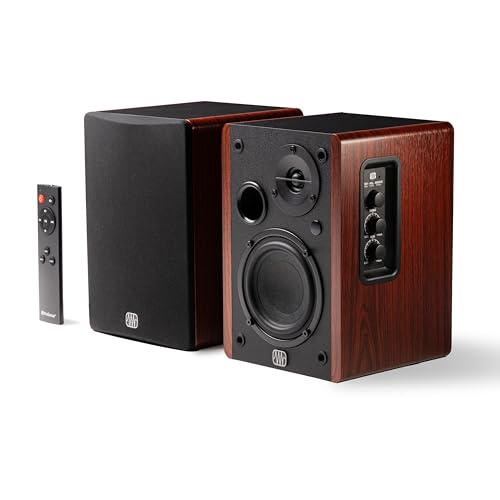
Balancing clean amplification with dynamic speaker capability mirrors the best practices audio enthusiasts follow when setting up traditional stereo loudspeakers in dedicated home listening environments. In both automotive and home environments, maintaining clean gain staging prevents harsh clipping distortion while preserving delicate acoustic details during quiet musical passages. Providing adequate headroom allows sudden musical crescendos, such as dramatic drum solos or energetic orchestral hits, to sound effortless rather than strained. Matching your amplification potential to speaker RMS ratings remains the golden rule for long-term acoustic enjoyment.
Speaker Sensitivity and Efficiency: Getting Loud on Modest Factory Power
Speaker sensitivity measures how efficiently a transducer converts electrical wattage into acoustic volume, typically expressed as decibels measured at one meter with one watt of input. A small change in sensitivity makes a dramatic audible difference because an increase of three decibels requires half the amplifier power to achieve the exact same volume. Speakers boasting high sensitivity ratings, such as ninety-two decibels on the PIONEER TS-A6961F, produce robust volume even when connected to low-power factory radios. This efficiency makes high-sensitivity drivers the primary upgrade candidate for car owners who do not intend to install aftermarket amplifiers.
Conversely, speakers with moderate sensitivity ratings around eighty-seven decibels, such as the PIONEER TS-F6935R, demand substantially more electrical wattage to achieve peak cabin volume. When powered only by modest factory head unit outputs, lower-sensitivity speakers can sound somewhat constrained during dynamic peaks. However, when paired with an outboard amplifier, these designs often deliver exceptional mechanical control and refined linearity across their entire operating band. Assessing your existing power source before purchasing guarantees you will not end up with disappointing volume levels.
Voice coil impedance works hand-in-hand with sensitivity to dictate how much current flows from the amplifier to the speaker motor structure. All the primary models in this segment feature standard four-ohm voice coils, ensuring safe electrical compatibility with factory head units and aftermarket amplifiers alike. Running a four-ohm load protects the output transistors of your stereo receiver from overheating, which can occur if lower-impedance loads are introduced improperly. This standardized electrical impedance provides dependable thermal stability across extended listening sessions in all seasonal conditions.
Physical Fitment, Basket Depth, and Mounting Adaptations
Physical dimensions often dictate whether a six-by-nine speaker will bolt directly into your vehicle or require custom mechanical adjustments. Rear parcel decks in sedans typically provide generous mounting depth, while front door cavities in trucks and coupes frequently have tight clearances due to moving power window mechanisms. The PIONEER TS-F6935R employs a sleek flush-mount profile specifically engineered to drop into shallow door openings without striking glass tracks. Measuring the distance between your vehicle mounting flange and interior obstructions prevents frustrating fitment surprises once vehicle trim panels are removed.
Basket construction directly influences mechanical resonance as well as overall chassis rigidity when the speaker is torqued into the vehicle frame. The DS18 G6.9Xi utilizes a heavy-duty stamped steel basket that resists twisting when bolted to uneven factory sheet metal brackets. Rigid baskets prevent voice coil misalignment, eliminating unwanted scratching sounds and premature driver fatigue over years of bumpy road travel. Furthermore, models like the PIONEER TS-A6961F include specialized multi-fit installation adaptors that bridge the gap between factory screw patterns and aftermarket speaker flanges.
Vehicle audio environments present intense physical punishment, facing constant road vibrations, moisture intrusion from door seals, and direct baking sunlight on rear decks. These challenging physical realities resemble the durability hurdles faced by audio gear engineered for utility vehicles operating across rugged outdoor trails. Selecting speakers built with resilient surrounds, coated steel baskets, and thermal-resistant voice coil formers ensures your audio investment survives daily vehicle operation. Taking time to inspect your door seals and rear deck grilles further protects delicate speaker assemblies from premature environmental damage.
Wiring Connections, Polarity Integrity, and Passive Crossover Integration
Proper electrical integration ensures that your new six-by-nine speakers receive clean, uncorrupted audio signals while protecting vehicle electrical harnesses. Disconnecting the negative battery terminal before beginning any wiring work prevents accidental electrical short circuits that could damage sensitive onboard computers. Most aftermarket coaxial speakers utilize standard male spade terminals, which can be connected using vehicle-specific adapter harnesses that plug directly into factory plugs without cutting original wires. Preserving factory wiring harnesses simplifies future maintenance and keeps the vehicle interior clean and reversible.
Maintaining strict acoustic polarity across both left and right speaker channels is essential for achieving cohesive stereo imaging and impactful bass response. If one speaker is accidentally wired with reversed positive and negative leads, its cone will pull inward while the opposing speaker pushes outward. This phase cancellation creates a hollow acoustic void in the center of the cabin, completely stripping away kick drum punch and lower vocal warmth. Checking terminal markings carefully or using a basic nine-volt battery pop test before reinstalling door panels verifies that all speaker cones move in identical phase.
Coaxial speakers incorporate passive crossover networks, usually in the form of compact capacitors wired directly onto the tweeter support bridge, to route appropriate frequencies to each driver. These built-in high-pass filters prevent harmful low-frequency bass waves from entering delicate tweeter voice coils, preventing thermal destruction and acoustic harshness. Because these passive crossovers are integrated directly into the speaker assembly, installation remains straightforward and self-contained. Drivers do not need to locate mounting space for external crossover boxes inside cramped vehicle door cavities.
Tuning and Acoustic Optimization After Installation
Achieving exceptional sound from freshly installed six-by-nine speakers requires thoughtful acoustic tuning once all door panels and grilles are securely refastened. Begin by setting the tone controls, graphic equalizers, and loudness filters on your vehicle head unit back to neutral flat positions. Play familiar, high-quality audio recordings featuring varied instrumentation and dynamic vocals to evaluate the initial acoustic baseline of your vehicle cabin. Starting with a flat equalization curve allows you to hear the genuine acoustic signature of the new drivers before applying targeted frequency adjustments.
Applying self-adhesive sound deadening mats around the metal mounting baffle significantly reduces unwanted panel resonance and seals acoustic air leaks. Without proper baffling, the rear sound wave produced by the speaker cone can wrap around and cancel the front sound wave, undermining mid-bass definition. Sealing gaps with dense foam gaskets creates an airtight boundary between the front passenger cabin and the hollow cavity inside the door or trunk. This simple acoustic treatment tightens low-frequency impact and cleans up vocal articulation across all volume levels.
Carefully balancing high-frequency equalization controls prevents supertweeters from sounding shrill or fatiguing during extended highway road trips. If your multi-way speakers deliver energetic treble, a slight reduction around the eight-kilohertz to twelve-kilohertz band on your head unit can smooth out sharp vocal sibilance. Conversely, ensuring your high-pass filter is configured properly prevents sub-bass notes below thirty hertz from over-exerting the six-by-nine cone. Taking the time to dial in clean crossover settings, solid baffle seals, and measured equalization guarantees a rewarding audio listening experience on every drive.
Final Practical Takeaway for Choosing the Right Speakers
Selecting the ideal six-by-nine car speakers ultimately comes down to matching your existing amplifier hardware, cabin depth restrictions, and personal listening habits. High-efficiency models with elevated sensitivity ratings deliver immediate, vibrant sound improvements when running directly from modest factory stereos. Meanwhile, robust multi-way configurations boasting higher RMS handling thrive when paired with dedicated outboard amplification, unlocking dynamic headroom and crisp high-frequency separation. Evaluating continuous power ratings, checking physical mounting depths, and securing an airtight installation baffle will ensure your vehicle sound system performs at its absolute best.


Write Your Review
No reviews yet. Be the first to share your experience!