


Architectural audio setups often present a challenging balance between room aesthetics and sound fidelity. Homeowners evaluating whether are legrand speakers good frequently look for clean in-wall or in-ceiling installations that eliminate visible cables without sacrificing vocal clarity. While traditional standalone cabinets dominate discussions about high-end audio systems, Legrand focuses heavily on distributed home audio, home theater integration, and structured wiring through its On-Q and C2G product families. Understanding how these architectural components perform requires examining their build construction, intended listening environments, and integration hardware.
Performance expectations should align with the practical purpose of recessed audio gear. In-wall LCR speakers and angled ceiling drivers cater directly to multi-room background audio, home office listening, and streamlined surround setups. These passive units rely on external amplification, proper wall cavity tuning, and sturdy connection points to deliver balanced frequencies. Examining the design strengths, acoustic limitations, and system requirements reveals whether Legrand provides the right acoustic solution for your living space.



Evaluating Legrand Audio: Sound Quality, Design, and Practical Performance
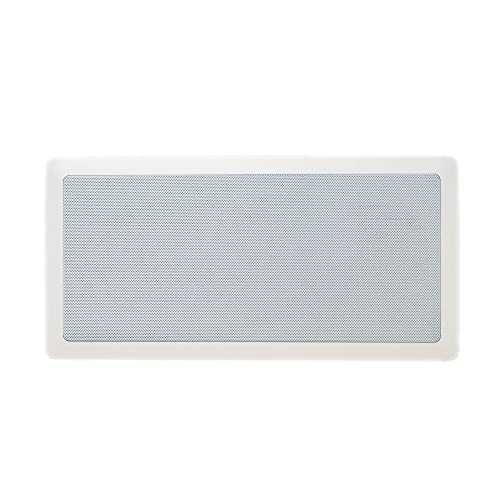
Directly answering the central question, Legrand speakers are generally dependable, well-constructed options designed for homeowners seeking discreet, flush-mounted sound rather than towering speaker enclosures. These units excel in multi-room background audio, home theater surround channels, and whole-house distribution systems. While they do not aim to compete with high-end audiophile studio monitors, their acoustic engineering provides respectable dialogue clarity, balanced mids, and smooth dispersion. Buyers who value tidy visual aesthetics and structured architectural integration usually find that Legrand meets their everyday listening needs effectively.
The Architectural Focus of Legrand, On-Q, and C2G
Legrand approaches audio from an infrastructure perspective, treating sound reproduction as an integrated element of home construction. The company manages prominent audio and networking sub-brands, including On-Q for residential structured wiring and C2G for commercial or residential connectivity. Instead of building large wooden cabinets that occupy floor space, Legrand emphasizes flush-mount designs that disappear into drywall. This design approach prioritizes unobtrusive visual footprints, durable mounting hardware, and paintable grilles.
Reliability remains a notable hallmark of Legrand architectural hardware across various residential settings. Because in-wall and in-ceiling drivers reside inside building cavities, their mechanical components must withstand dust, temperature fluctuations, and enclosed environments. Legrand utilizes moisture-resistant driver cones, sturdy polymer frames, and robust spring or dog-ear mounting clamps to ensure lasting physical stability. For homeowners investing in permanent wall alterations, this mechanical durability offers peace of mind over years of continuous use.
Understanding Legrand Product Tiers: 1000, 5000, and 7000 Series
The entry-level 1000 Series serves basic residential audio needs where budget and simplicity take priority. Models such as the On-Q HT1LCR-V1 provide essential left, center, and right home theater channel duties or background music in secondary zones. These speakers feature standard driver materials and basic crossovers that handle conversational frequencies well. While they lack the refined micro-detail of higher tiers, they supply clear sound for family rooms and casual TV viewing.
Moving up to the 5000 Series introduces refined acoustic components designed for more demanding listening environments. Products like the HT5650 6.5-inch in-ceiling speaker incorporate upgraded driver cones and pivoting tweeters to broaden the soundstage. This intermediate tier offers improved dynamic headroom and cleaner frequency separation across the audio spectrum. Homeowners often choose 5000 Series models for primary living areas, kitchens, and dedicated media spaces where richer musical reproduction is desired.
The premium 7000 Series represents Legrand highest tier of architectural sound fidelity and mechanical refinement. Models such as the HT7655 angled in-ceiling speaker pair and HT7157 center channel utilize advanced driver materials, such as Kevlar or carbon-fiber weaves, alongside precision crossovers. These components handle higher power levels, reduce harmonic distortion, and deliver noticeably faster transient response. Listeners who desire an immersive home cinema experience without placing bulky cabinets in the room benefit most from this series.
Sound Profile and Acoustic Characteristics
Midrange performance stands out as one of the strongest acoustic attributes across the Legrand speaker lineup. In-wall LCR and center channel models focus heavily on vocal clarity, ensuring movie dialogue and podcasts remain articulate at moderate volumes. Voice projection stays clear without requiring excessive volume increases that might disrupt neighboring rooms. This tuning makes Legrand units particularly well-suited for everyday television watching and multi-zone spoken content.
High-frequency reproduction depends largely on driver orientation and tweeter construction within each specific model. Angled ceiling speakers, such as the 7000 Series angled units, direct the acoustic energy toward the primary seating area rather than firing straight down at the floor. This directional capability mitigates high-frequency roll-off and sharp reflections from hard flooring surfaces. As a result, treble details such as acoustic strings, cymbals, and cinema sound effects retain crispness throughout the listening zone.
Low-frequency reproduction represents the primary physical limitation of recessed ceiling and wall speakers. Because these drivers operate within unsealed wall bays without tuned wooden enclosures, deep sub-bass frequencies naturally dissipate into the wall structure. While Legrand 6.5-inch and 5.25-inch woofers reproduce respectable upper-bass punch, they cannot produce tactile home theater rumble on their own. Pairing these architectural speakers with an independent powered subwoofer remains essential for achieving full-spectrum home theater impact.
Passive Speaker Operation and Receiver Compatibility
Legrand architectural speakers operate as passive transducers, meaning they contain no internal amplifiers or power cords. They require an external audio-video receiver, multi-zone distribution amplifier, or stereo power amp to drive sound. Users must run dedicated in-wall speaker wire from the central equipment closet or media console directly to each speaker location. Connecting these units to standard household power outlets is neither possible nor intended.
Amplifier matching requires verifying that your receiver supports standard four-ohm or eight-ohm nominal speaker loads. Most Legrand in-wall and in-ceiling models conform to typical eight-ohm loads, making them compatible with common consumer AV receivers. Unlike self-powered setups like dedicated stereo speakers that feature onboard amplification circuits, passive architectural speakers rely entirely on the clean wattage provided by your external amplifier. Ensuring adequate amplifier headroom prevents clipping and distortion during high-volume playback.
Infrastructure Support: Wall Plates and Speaker Connectors
A significant advantage of choosing Legrand is the brand extensive ecosystem of structured wiring and termination accessories. Products like the On-Q WP9009-WH-V1 home theater connection kit provide tidy wall plate termination for 7.1 surround sound configurations. These plates eliminate messy bundles of loose wires protruding from baseboards or drywall cutouts. Installing a dedicated connection plate simplifies cable management behind your AV receiver and maintains a professional visual finish.
Cable termination quality directly affects signal integrity, corrosion resistance, and overall connection longevity. Legrand offers specialized hardware like the On-Q 364827V1 gold-plated speaker wire plugs to ensure positive mechanical contact at the wall terminal. Gold plating prevents oxidation over years of service, maintaining consistent conductivity between the amplifier leads and in-wall runs. Using proper termination plugs also reduces the risk of stray copper strands shorting out expensive receiver channels.
Commercial and multi-room residential audio projects also benefit from C2G utility ceiling speakers within the broader Legrand family. Products like the C2G 39907 five-inch round ceiling speaker provide straightforward audio coverage for hallways, utility areas, and commercial office suites. These speakers integrate smoothly with standard commercial 70-volt lines or low-impedance background music systems. Their simple aesthetic grilles blend invisibly into drop ceilings or standard sheetrock surfaces.
Installation Realities and Acoustic Bay Preparation
Installing in-wall or in-ceiling speakers requires careful planning before cutting into sheetrock or running in-wall cabling. Installers must locate structural wall studs, ceiling joists, plumbing pipes, and electrical conduits using reliable stud finders. Legrand speakers typically include cutout templates and rotating dog-ear mounting legs that clamp securely against the backside of drywall. Ensuring proper clearance within the wall cavity avoids damaging internal building systems during installation.
Acoustic cavity treatment plays an influential role in the ultimate sound quality produced by in-wall speakers. Because standard wall cavities lack acoustic damping, sound waves from the rear of the speaker cone can bounce off studs and cause hollow resonances. Placing loose fiberglass or mineral wool insulation behind the speaker driver helps absorb rear-wave energy and tightens bass response. Installing acoustic back cans also minimizes sound transmission into adjacent bedrooms or second-story living spaces.
Comparing In-Ceiling Sound with Standalone Audio Solutions
Architectural speakers serve a fundamentally different purpose than traditional freestanding box speakers or soundbars. Floorstanding speakers and bookshelf monitors can be repositioned easily to optimize stereo imaging and room reflections. In-ceiling speakers remain fixed in place once cut into sheetrock, making initial speaker placement critical to achieving balanced sound coverage. However, the complete elimination of floor clutter and visible wires offers a massive aesthetic advantage for minimalist living spaces.
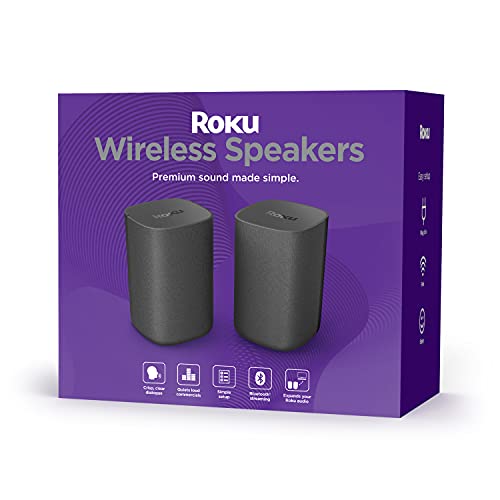
Listeners who want flexible listening spots throughout the house often compare fixed ceiling installations with standalone wireless options that can move from room to room. While portable speakers offer convenience and app-based streaming, they cannot replicate the seamless room-filling coverage of a multi-zone wired architectural system. Legrand wired speakers distribute audio evenly across dining rooms, patios, and living areas without requiring visible power bricks or battery charging routines.
Notable Drawbacks and Practical Limitations
The permanent nature of in-wall installation represents the most obvious drawback for renters or homeowners who move frequently. Once a Legrand speaker is mounted, removing it leaves a substantial hole in the sheetrock that requires patching, sanding, and repainting. Additionally, upgrading drivers in the future requires finding replacement speakers with matching cutout dimensions or expanding the existing wall opening. Buyers should treat architectural speaker installation as a long-term commitment to that specific room layout.
Another performance consideration involves vertical sound imaging when using ceiling speakers for front surround channels. Sound naturally feels as though it originates overhead rather than directly from the screen, which can occasionally distract viewers during dialogue scenes. Angled models like the 7000 Series mitigate this phenomenon by angling the driver forward toward the seating position, but they cannot entirely duplicate ear-level acoustic realism. Users sensitive to soundstage height should install in-wall speakers at seated ear level whenever room framing permits.
Who Benefits Most from Legrand Speakers?
Legrand speakers are an outstanding choice for homeowners undergoing renovations, building new homes, or seeking clean aesthetic integration. They cater exceptionally well to families wanting reliable ambient background music in kitchens, hallways, and covered outdoor patios. Home theater enthusiasts who need discreet surround or Dolby Atmos ceiling height channels also find excellent utility across the 5000 and 7000 Series models. When paired with high-quality On-Q connection plates, the entire installation looks refined and factory-finished.
Conversely, critical audiophiles seeking pinpoint stereo imaging, expansive depth, or visceral sub-bass should look toward dedicated cabinet speakers and high-output subwoofers. Legrand does not design its speakers for nearfield studio monitoring or competitive audio playback where raw volume and sub-harmonic frequencies rule. Instead, the brand delivers balanced, durable, and aesthetically unobtrusive sound that integrates seamlessly into modern living spaces. Matching expectations to this architectural focus ensures lasting satisfaction with your audio setup.
Evaluating whether Legrand speakers are good ultimately comes down to your priorities regarding sound performance, room design, and installation effort. If your goal is to eliminate visible clutter, run organized whole-home background audio, or install dependable surround channels, Legrand provides reliable, well-engineered architectural hardware. When supplied with clean amplifier power, thoughtful cavity damping, and an external subwoofer, Legrand speakers deliver balanced, enjoyable sound that complements any home aesthetic.




Write Your Review
No reviews yet. Be the first to share your experience!