


Optimizing Bookshelf Speaker Height and Acoustic Stability
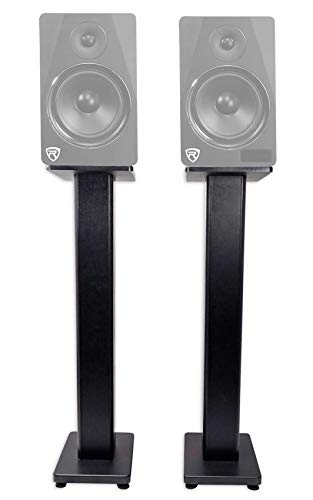
Unwanted desk vibrations and poor listener positioning often degrade the performance of quality audio monitors. Placing heavy cabinets directly on wobbly furniture allows mechanical resonance to color sound reproduction and muddy bass clarity. Investing in sturdy support structures like rockville rht28 high performance wood speaker stands lifts tweeters directly to ear level while providing a secure foundation. Many listeners pair these platforms with dedicated stereo monitors or satellite channels, including specialized height and Atmos speakers. Proper elevation ensures direct sound arrival, reducing early boundary reflections from nearby furniture surfaces.
The Rockville collection features medium-density fiberboard construction designed to curb physical reverberation better than standard particle board. Models such as the Rockville RHT28 Pair 28″ Bookshelf Home Theater feature hollow pillars ready for sand filling to lower center-of-gravity hazards. Other options, including the Rockville SS36C Classic Wood Grain 36″ Solid Home, utilize dense solid cores that support up to 100 pounds without ballast. Both designs provide interchangeable top platform sizes to accommodate compact monitors as well as eight-inch drivers. Using included brass or rubber floor spikes creates dependable decoupling across carpet or hardwood floors.


Frequently Asked Questions
How does sand filling improve stand stability?
Adding dry play sand into the hollow core increases mass and significantly lowers the center of gravity. This extra weight reduces cabinet wobbling and helps prevent accidental tip-overs in busy living areas. While models like the Rockville RHT28 support sand loading up to 60 pounds, solid core variations like the Rockville SS28D achieve stability straight from the factory.
What is the difference between 28-inch and 36-inch stand heights?
The ideal height depends on your seated listening position and overall furniture arrangement. A 28-inch stand typically aligns bookshelf tweeters with ear level when seated on standard sofas. The taller 36-inch models, such as the Rockville RHTSD, work better for high-back seating or rear surround channels in Dolby Atmos home theater setups.
Which top plate size should be used for bookshelf speakers?
Supplied Rockville units include two distinct top platform dimensions: 9.25 by 7.28 inches and 9.25 by 11.8 inches. Smaller bookshelf speakers pair best with the compact plate to prevent exposed edges. Larger monitors with woofers up to eight inches require the broader platform for proper balance. Always measure the base dimensions of your audio cabinets before installing.
When should brass spikes be selected over rubber spikes?
Brass spikes are engineered to penetrate carpet pile and anchor directly into subflooring. This solid mechanical contact eliminates stand sway caused by plush padding. Rubber spikes provide traction on hardwood, laminate, or tile floors without scratching delicate surfaces. Both spike styles include leveling adjustments to stabilize stands on uneven floors.
Do solid MDF stands perform differently than hollow models?
Solid medium-density fiberboard stands offer maximum weight out of the box without the hassle of pouring sand. Non-hollow options like the Rockville SS36C support heavier cabinets up to 100 pounds. Hollow models like the Rockville RHT28 start lighter for easier shipping but accommodate sand filling for customizable stability. Both styles feature isolation pads to resist cabinet slippage.




Write Your Review
No reviews yet. Be the first to share your experience!