


Upgrading or restoring the sound system in a GMT800 sport utility vehicle often starts with a simple audit of the factory audio configuration. Drivers looking into how many speakers in a 2001 chevy suburban are usually planning an aftermarket upgrade or trying to fix a blown driver that is crackling during daily commutes. Determining your exact audio layout is essential because General Motors offered distinct sound packages that change how many physical drivers are tucked behind the interior grilles. Factory configurations ranged from basic six-speaker utility setups to expansive multi-speaker layouts equipped with tuned enclosures.
Most owners discover that their cabin features either an eight-speaker standard arrangement or an upgraded nine-speaker premium audio package that adds an amplified low-frequency transducer. Understanding these interior locations helps you decide whether to replace individual blown drivers with original equipment or overhaul the entire system with modern aftermarket components. If you want deeper low-end response, adding dedicated vehicle subwoofer enclosures can reinforce bass without sacrificing cargo capacity. Taking time to inspect your door panels, pillar grilles, and factory options code label ensures you purchase the correct sizes and impedance ratings for your specific truck.

Pros
- Precise OE fit and function for compatible GM vehicles
- Restores original sound quality and reliability
- Built to GM specs for long-term durability
- Easy installation matching factory design
Cons
- Fits only select 2007-2014 GM models
- Maintains factory power levels, no amplification boost
- Coaxial setup lacks subwoofer-level bass depth
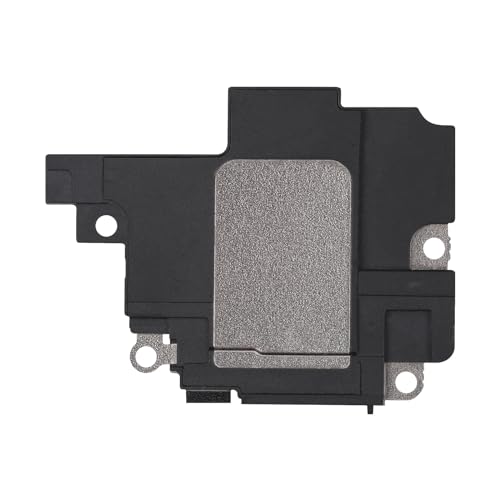
The GM Genuine Parts 15201406 is a rear side door coaxial speaker crafted as a direct OEM replacement for popular GM trucks and SUVs from 2007 to 2014, including Chevrolet Tahoe, Suburban, Silverado, GMC Yukon, Sierra, and Cadillac Escalade models.
It targets GM owners frustrated by faded factory speakers, offering a plug-and-play solution to revive audio without custom modifications or compatibility worries.
In everyday driving, it delivers steady, balanced sound that fills the cabin evenly, making podcasts clear on commutes and music enjoyable on family road trips across American highways.
Overall verdict: Essential for authentic OE audio restoration that keeps your GM ride sounding fresh for years of reliable use.
This OE coaxial speaker excels in vocal clarity and midrange detail, matching GM's factory tuning for natural dialogue and instrument separation in vehicle audio systems.
Bass holds up well from door placement for everyday listening, providing punchy lows without muddiness at highway speeds or max volume.
Seamless integration with stock amps ensures distortion-free output, perfect for extended drives where consistent rear performance matters for all passengers.
Rugged coaxial build fits precisely into rear door panels, engineered to withstand cab vibrations, temperature swings, and road wear in tough GM trucks and SUVs.
Compact OE dimensions and materials promote easy install and longevity, resisting interior moisture for dependable daily performance.
Draws power directly from the vehicle's system for instant readiness, eliminating battery life concerns and keeping audio alive from key-on to shutdown.
Factory Speaker Layout and Replacement Guide for the 2001 Suburban
A factory 2001 Chevrolet Suburban is configured with either eight or nine speakers depending on whether it has the standard audio package or the upgraded Bose system. Knowing your exact count prevents ordering incorrect parts or leaving dead drivers untouched during an aftermarket audio overhaul. General Motors distributed these drivers across three rows to provide balanced coverage throughout the large cabin. Before buying new components, verifying your vehicle options and understanding driver locations will make your project much smoother.
The Direct Answer: Standard Versus Bose Speaker Counts
The standard audio system found in most 2001 Suburban models uses an eight-speaker arrangement distributed throughout the cabin. This configuration features two high-frequency tweeters in the front windshield pillars, two woofers in the front doors, two full-range speakers in the rear doors, and two small fill speakers near the rear cargo roof pillars. These eight speakers run directly from the factory head unit without an auxiliary amplifier or standalone subwoofer. For regular radio listening, this standard configuration produced balanced sound when the truck was new.
Vehicles ordered with the premium audio package, designed in partnership with Bose, feature nine total speakers. This setup keeps the same eight primary speaker locations while adding an amplified factory subwoofer for low-frequency support. The subwoofer provides deeper bass that relieves acoustic strain on the smaller door drivers. Because this extra woofer runs on an independent amplifier, the overall audio presentation delivers noticeably greater depth than the base system.
A less common third possibility exists for base commercial fleet models or stripped utility trims of the 2001 Suburban. Some fleet-order vehicles eliminated the rear cargo roof speakers entirely, leaving four door speakers and two pillar tweeters for a total of six drivers. These fleet variations rarely appear in consumer retail trims like the LS and LT. If your truck has standard consumer equipment, you almost certainly have an eight-speaker or nine-speaker system.
Mapping Every Factory Speaker Location Across the Cabin
Finding the physical locations of each speaker allows you to inspect them without removing unnecessary trim panels. At the front, two small tweeters sit behind perforated grilles in the windshield A-pillars near ear level. Lower down, each front door holds a large mid-bass woofer positioned close to the footwell. Putting tweeters high and woofers low keeps the soundstage elevated across the dash.
In the second row, each rear passenger door houses a single full-range speaker behind the lower panel trim. In the rear cargo area, two additional compact speakers sit high on the D-pillars or roof trim next to the liftgate. These cargo speakers supply rear fill for third-row passengers and help cover the long interior cabin. Without them, rear passengers would hear muffled audio dominated by front seat reflections.
In models with the premium nine-speaker system, locating the factory subwoofer depends on your seating layout. In Suburbans with front bucket seats and a center console, GM placed the subwoofer inside the lower section of that console. Models equipped with a front split-bench seat usually have the subwoofer mounted in the driver-side rear quarter panel trim. Checking these areas confirms whether your truck has the factory bass module.
Driver Sizes and Acoustic Roles in the GMT800 Platform
Each speaker location in the 2001 Suburban uses specific driver dimensions to cover distinct frequency ranges. The front A-pillar tweeters measure roughly one inch across and use dome elements tailored for crisp treble. The front door locations hold six-and-a-half-inch drivers designed for mid-bass punch and vocal clarity. Because the front speakers handle the primary stereo image, matching their frequency output ensures clear musical staging.
The second-row passenger doors also take six-and-a-half-inch drivers, though some factory frames measure slightly larger. Most aftermarket six-and-a-half-inch speakers fit these door locations easily when paired with standard adapter rings. The rear cargo D-pillar speakers are much smaller, measuring approximately three-and-a-half inches in diameter. These small speakers handle high and midrange frequencies to balance out the rear cabin without demanding heavy amplifier power.
The factory subwoofer installed in premium models uses a compact shallow-depth driver measuring roughly six-and-a-half to eight inches depending on the console housing. Because the factory plastic enclosure provides limited interior volume, this subwoofer focuses on upper bass frequencies rather than sub-bass rumble. Installing a modern aftermarket driver in this factory console pocket often requires a shallow-mount speaker that can function inside a very tight air volume. Understanding these driver dimensions prevents clearance issues during replacement.
Identifying Your Audio Package via RPO Codes and Cabin Badging
Finding out whether your 2001 Suburban has the standard eight-speaker system or the Bose nine-speaker system requires checking a few factory markers. The simplest visual clue is the presence of small Bose emblems attached to the front door speaker grilles. But because grilles or door panels might have been replaced over the past two decades, badges alone are not always conclusive. Checking the vehicle build sticker provides an exact record of what left the factory.
Open your glovebox and find the Service Parts Identification sticker with its list of three-character option codes. Look through the codes for UQ7, which identifies the amplified Bose premium sound package. If you see code U58 or standard radio codes without UQ7, your truck left the assembly line with the base sound system. Taking a photo of this code sheet makes ordering replacement parts much simpler.
You can also check for an external amplifier under the center console or beneath the dashboard. The premium Bose system routes audio through an external multi-channel amplifier hidden under the center console or steering column area. The standard system routes speaker wires directly from the dash head unit. Confirming the presence of this amplifier is necessary because it dictates the electrical impedance your replacement speakers must have.
OEM Replacement Options and Cross-Generation Fitment Differences
When searching for original factory components, owners often encounter newer OEM parts that belong to later vehicle generations. For instance, the GM Genuine Parts 15201406 rear side door speaker is a factory replacement part manufactured for 2007 through 2014 GM trucks and SUVs. The 2001 Suburban belongs to the GMT800 platform, whereas 2007 through 2014 models belong to the newer GMT900 platform. While both lines share GM heritage, their mounting brackets and wiring connectors differ.
The 2001 GMT800 doors rely on plastic snap-in speaker brackets that lock into metal cutouts using a top clip or retaining screw. Later GMT900 speakers use different mounting tabs and a revised electrical plug style. Trying to put a newer GM OE speaker directly into a 2001 door cavity will lead to alignment problems and loose fitment. Always confirm that mounting brackets and wire harness adapters match the 2001 model year before ordering replacement parts.
Aftermarket coaxial and component speakers offer a reliable alternative to discontinued factory drivers for older trucks. Standard six-and-a-half-inch aftermarket speakers fit the front and rear doors when installed with vehicle-specific adapter rings. These adapter rings attach straight to the factory door holes so you avoid drilling into sheet metal. Using dedicated brackets keeps the installation solid and prevents annoying door panel buzzes.
Door Panel Removal and Safe Driver Installation
Accessing the front and rear door speakers in a 2001 Suburban requires taking off the interior door panels carefully. Start by using a plastic trim tool to pry off the upper mirror triangle and the handle bezel. Unplug the wiring harnesses connected to the power window and lock switch assembly before pulling the panel. Removing the hidden screw near the armrest pull handle prevents cracking the plastic panel during removal.
After removing the screws and switch plugs, lift the entire door panel upward instead of pulling it straight out. GM designed these GMT800 door panels with plastic hooks that slide downward into slots on the metal frame. Pulling straight back will break the mounting hooks and cause loose fitment later. Once the panel is lifted off, gently pull back the plastic moisture barrier to access the factory speaker assembly.
Vehicle door cavities collect moisture that runs past outer window seals during rainstorms and washings. Upgrading to heavy-duty weather-resistant speakers or adding silicone speaker baffles can protect paper cones from water damage. Foam baffles also create a tighter acoustic seal against the door frame, focusing sound into the cabin instead of into the door shell. Adding basic moisture protection keeps your new speakers playing reliably for years to come.
Impedance Matching and Factory Amplifier Considerations
Electrical impedance is a critical factor when replacing speakers in a factory-amplified audio system. Standard non-Bose systems in the 2001 Suburban use standard four-ohm speakers that work smoothly with typical aftermarket replacements. In contrast, the factory Bose amplifier was built around low-impedance drivers that measure around two ohms. Installing standard four-ohm speakers on that factory Bose amp cuts output volume because the amplifier cannot deliver full power into higher resistance.
Connecting low-impedance two-ohm speakers to a standard four-ohm head unit can cause severe overheating or amplifier shutoff. The low resistance pulls more current than the head unit can safely handle, stressing internal output transistors. If you keep the original Bose amplifier, choose low-impedance aftermarket speakers designed to match factory power ratings. Many owners choose to bypass the factory amplifier entirely when installing a modern aftermarket head unit.
Bypassing the factory amplifier involves running a dedicated wiring harness or reconnecting speaker lines at the amplifier output connector. Doing so allows the new stereo head unit to drive modern four-ohm component speakers directly with clean, full-range signal. Wiring adapter harnesses are readily available to connect aftermarket speakers directly to factory door plugs without cutting the original copper wiring. Preserving the original factory harnesses keeps electrical connections reliable and allows future owners to restore the stock setup if desired.
Troubleshooting Common 2001 Suburban Audio Issues
Vehicles that have been in service for more than two decades often develop audio issues caused by age and wear. The most frequent issue in a 2001 Suburban is distorted, buzzing sound from the door speakers during low bass notes. This distortion usually happens when the original foam surrounds dry out, crack, and separate from the paper cones. Without flexible support, the voice coil rubs against the internal magnet and creates a raspy scratching sound.
Intermittent audio is another common problem on older full-size GM trucks and SUVs. A speaker that cuts out when swinging the door open usually points to cracked wiring inside the rubber door jamb boot. Decades of door movement flex the copper wires until internal strands break apart. Testing continuity with a basic digital multimeter while wiggling the wire boot helps locate broken wiring quickly.
The front driver-side door speaker also plays vehicle warning chimes for keys left in the ignition and active headlights. If that front left speaker stops working, your warning chimes will become faint or stop sounding altogether. GM sent safety chimes through the stereo channel rather than using a separate buzzer under the dash. Replacing a blown driver-side speaker restores both your music and these helpful warning alerts.
Practical Takeaways for Planning Your Audio Upgrade
Knowing whether your 2001 Suburban has eight or nine speakers eliminates guesswork before you start shopping for replacement components. Check your glovebox RPO code label for UQ7, inspect door grilles for Bose badges, and check your speaker sizes before taking anything apart. Selecting suitable mounting brackets, matching electrical impedance, and adding moisture protection will keep your audio system sounding clear. With careful preparation, refreshing the sound system in your full-size truck is a straightforward and rewarding weekend project.





Write Your Review
No reviews yet. Be the first to share your experience!