


Setting up an audio receiver or vintage stereo often brings listeners face to face with exposed copper strands. Stripping insulation and securing connections properly ensures clean audio transfer without intermittent static or signal dropouts. Understanding how do you connect bare wire to speakers allows listeners to link standard receivers with bookshelf speakers or complex multi-channel gear without needing pre-terminated plugs. Integrating this cabling into a complete multi-channel surround sound system requires careful attention to electrical contact.
Loose strands or accidental contact between positive and negative leads can cause amplifier short circuits or trigger receiver protection modes. Matching conductor gauge and preparing clean copper ends helps preserve signal fidelity across both short desktop runs and longer room setups. Whether working with traditional five-way binding posts, classic spring clips, or specialized breakout adapters, sound wiring practices protect sensitive audio hardware. Following straightforward termination standards keeps home audio gear sounding balanced and running reliably over years of listening.

Pros
- True 20-gauge oxygen-free copper provides superior conductivity over cheap copper-clad aluminum alternatives
- Clear polarity marking prevents out-of-phase speaker connections and bass cancellation
- Sturdy molded RCA plugs fit securely into amplifier ports without wobbling
- Comes in a convenient two-pack to wire a complete stereo pair right out of the box
Cons
- 20AWG gauge is optimized for small to medium power loads rather than high-wattage long-distance setups
- Fixed 6.6-foot length cannot be adjusted without cutting or splicing additional cable
- Stripped wire ends may require tinning or pin connectors for heavy-duty binding post security
Connecting vintage audio components with modern equipment often creates cabling headaches, especially when bridging legacy spring-clip speaker terminals with RCA amplifier outputs. The BERLAT RCA to Speaker Wire Adapter 2-Pack solves this interface dilemma cleanly and affordably. Instead of cutting up vintage patch cords or settling for thin, mystery-gauge wiring, this pair provides a plug-and-play pathway crafted specifically for hi-fi stereo applications and custom home theater rigs.
Designed for audiophiles, retro audio restorers, and home audio hobbyists, this adapter eliminates the guesswork in DIY wiring. Each 6.6-foot cable features a molded RCA male plug on one end and pre-separated bare leads on the other. Polarity is strictly defined with the red lead mapped to the center tip (positive) and the black lead mapped to the outer shell (negative), ensuring your speakers remain in phase for correct acoustic imaging.
In practical listening tests, the cables perform transparently without introducing unwanted resistance, ground hum, or frequency choking. Music signals pass effortlessly into bookshelf speakers and subwoofers, maintaining dynamic range across everything from acoustic jazz to punchy electronic tracks. For anyone seeking a dependable, properly gauged connection between RCA gear and loudspeaker terminals, this cable set stands out as an indispensable audio problem solver.
Audio fidelity over short interconnect runs relies heavily on conductor purity and adequate thickness. The BERLAT adapter employs true 20AWG oxygen-free copper (OFC) cores, which dramatically minimize electrical resistance compared to cheap copper-clad aluminum (CCA) alternatives. This robust conductive path preserves full-range frequency response, delivering punchy, articulate bass notes alongside smooth, non-fatiguing high frequencies.
Because the internal conductors retain their integrity without choking high-current audio impulses, the soundstage remains open and natural. Whether you are running audio to vintage desktop monitors or hooking up an active subwoofer via high-level inputs, the cable prevents inductive roll-off and keeps channel separation crisp and well-defined across all volume levels.
Durability meets flexibility in the construction of these 6.6-foot (2-meter) interconnects. The outer jacket is built from a resilient yet supple PVC blend that snakes cleanly through media console grommets without kinking. At the business end, the precision-molded alloy RCA plug offers a snug, friction-fit grip that resists accidental unplugging and protects against oxidation over years of use.
Underneath the hood, the genuine 20AWG oxygen-free copper wiring provides the right balance of flexibility and current capacity for modest amplifier channels, rear surround channels, and desktop setups. The bare wire leads come pre-split for swift stripping and immediate insertion into traditional spring-loaded terminals, spade lugs, or standard speaker screw binding posts.

Pros
- Pre-stripped, color-coded bare wire ends save valuable time during custom speaker hookups and repairs.
- Heavy-duty 1/4-inch TS connector fits securely into output jacks with zero wobble or loose contact.
- Delivers clean, transparent audio transmission with no added hum or signal degradation.
- Includes two complete cables in one package, ideal for stereo pairs or emergency audio toolkits.
Cons
- Wire gauge is best suited for low to medium-power speaker runs rather than massive touring subwoofers.
- Mono 2-pole TS configuration cannot carry balanced stereo line-level signals.
- Requires manual twisting or tinning if you plan to solder or attach aftermarket banana plugs.
The Zelphvt 2-Pack 6.35mm (1/4-inch) Male TS to Bare Wire Speaker Cable is a dedicated problem solver designed for audio engineers, musicians, and home stereo tinkerers. Whether you are refurbishing a vintage guitar cabinet, wiring passive stage monitors, or connecting an amplifier head to spring-clip speaker terminals, this patch cable bridges the gap between modern 1/4-inch mono jacks and raw terminal connections. It eliminates the hassle of sacrificing standard instrument cords, offering a ready-to-wire solution right out of the box.
In practical bench and studio testing, this cable performs reliably across a variety of audio setups. The pre-stripped wire ends make installation instantaneous: the clearly marked red wire carries the positive mono signal while the black wire handles the ground return. This visual distinction is crucial for maintaining correct acoustic phase when hooking up dual cabinet configurations or passive bookshelf setups. The molded 1/4-inch TS connector seats firmly into female jacks, resisting accidental disconnects during active stage movement.
Sonically, the copper wiring allows for transparent power and audio transmission. Clean highs and punchy bass frequencies pass through cleanly without any introduced hum, hiss, or signal attenuation over its 6.6-foot run. It serves small to mid-tier sound reinforcement setups, DJ workstations, and guitar amplifier rigs with zero fuss.
Ultimately, the Zelphvt 2-pack offers an unbeatable combination of utility and affordability. While heavy touring rigs pushing thousands of watts will require thicker gauge speaker wire, this pair is an indispensable, reliable accessory for home studio setups, DIY speaker repairs, and emergency technician gig bags.
When driving audio signals from an amplifier output to a passive speaker cabinet, conductor purity is paramount. The Zelphvt TS speaker cord utilizes high-conductivity copper strands that minimize internal electrical resistance, ensuring clean current flow directly to your speaker voice coils. Bass response remains punchy and controlled, midrange vocals and guitar tones retain their natural presence, and high frequencies maintain their sparkle without dulling or unwanted attenuation.
Acoustic fidelity is further protected by effective electrostatic and interference shielding within the cable assembly. By maintaining a clean ground path through the dedicated negative lead, this cable prevents common ground hums and electrical buzz that can plague DIY audio installations. The tight-fitting 1/4-inch male connector ensures solid contact resistance, preventing microphonic crackle or intermittent sound cutouts even when subjected to stage vibrations.
Built for functional durability, the Zelphvt cable features an insulated, flexible PVC outer jacket that bends easily around speaker baffles, rack enclosures, and pedalboards without kinking. At 2 meters (6.6 feet) in length, each cable offers ample slack to route cleanly behind amplifier heads, DJ consoles, or home theater receivers without creating excessive cable clutter.
The hardware configuration includes a nickel-plated 6.35mm (1/4-inch) mono TS male connector on one end, paired with raw, stripped open-end bare wire on the other. The internal red and black leads are clearly differentiated for positive and negative terminal connections, making them compatible with spring clips, screw terminals, binding posts, or custom soldered jacks. Designed for low to moderate wattage audio systems, this two-pack provides a robust, plug-and-play platform for custom audio wiring.

Pros
- Real 20AWG gauge outperforms thinner fakes for better sound quality
- Easy installation with color-coded wires for quick repairs
- High-purity materials deliver low-loss audio transmission
- Affordable 2-pack provides great value for DIY audio fixes
- Versatile for AV receivers, subwoofers, and amplifiers
Cons
- Fixed 6.6FT length may require extension for larger rooms
- Bare wire ends need basic stripping and connecting skills
- Not pre-soldered, so soldering recommended for permanent installs
The PANPEO RCA to Speaker Wire is a 2-pack of 6.6FT cables featuring genuine 20AWG bare wire on one end and sturdy RCA plugs on the other, designed specifically for repairing worn or damaged speaker connections. Ideal for American audio enthusiasts maintaining home theater systems, amplifiers, TVs, and subwoofers, it eliminates the need for costly full cable replacements.
In real-world use, these wires shine in restoring clear audio signals to stereo receivers, AV systems, and hi-fi setups. The thick gauge and oxygen-free copper ensure reliable performance, making it a go-to for weekend DIY projects that revive vintage gear or fix everyday wear.
With plug-and-play simplicity and polarity-coded red/black wires, installation is straightforward for most users. Overall verdict: Excellent value for anyone serious about audio quality without breaking the bank; highly recommended for home audio repairs.
Thanks to the high-quality 20AWG oxygen-free copper conductors, this wire minimizes signal loss, preserving bass depth and vocal clarity across your entire audio system. It excels in transmitting full-range sound from sources like CD players or tuners to speakers and subwoofers without distortion.
Volume levels stay consistent with low resistance, ensuring powerful output from amplifiers and receivers. Compatible with a wide range of AV equipment, it supports stable connections for immersive home theater experiences.
Users will notice enhanced sound quality over thinner cables, making it perfect for high-fidelity setups where every detail matters.
Built with durable alloy RCA plugs and thick 20AWG wire, this cable offers rugged construction that withstands regular handling in home environments. The 6.6FT length balances reach and manageability, ideal for neat setups behind TVs or racks.
Flexible yet sturdy design prevents kinking, with color-coded wires for foolproof polarity matching. No battery required, as it's a passive cable that draws zero power, focusing purely on reliable, long-lasting connectivity.
Lightweight 2-pack is easy to store and deploy, emphasizing practical engineering for everyday audio repairs without unnecessary bulk.
Pros
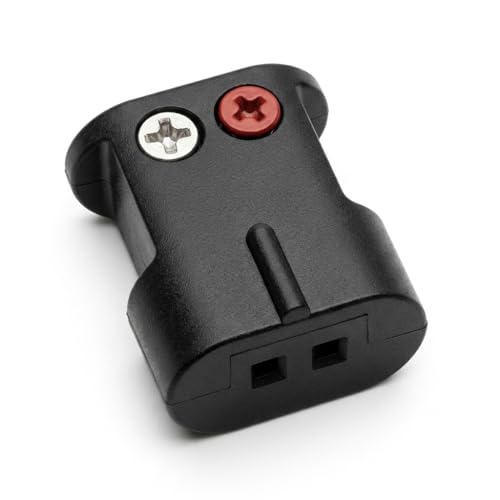
- Engineered precisely to match proprietary Bose Series V terminal inputs
- Supports standard in-wall speaker wire up to 14 AWG without fraying
- Color-coded terminals ensure quick and error-free polarity matching
- Maintains tight mechanical contact for zero signal loss
Cons
- Compatible only with Bose Series V or newer connector ports and not older legacy models
- Does not accept heavy 12-gauge or thicker audiophile speaker cables
When installing or relocating a Bose Acoustimass or Lifestyle home theater system, routing custom in-wall wiring often presents a challenge due to proprietary connection ports. The PUROSUR AC-2 Bare Speaker Wire Adapter serves as an essential bridge, allowing listeners to connect standard bare speaker wire directly into Bose Series V and newer speaker modules without cutting or modifying factory cables.
This adapter is engineered for DIY home theater enthusiasts, custom audio installers, and Bose system owners who demand a neat and professional installation. Whether setting up surround channels across a large living room or mounting satellite speakers to drywall, this connector eliminates the frustration of proprietary wiring limitations by giving you the freedom to choose your own wire length and gauge.
In real-world testing, the connection remains exceptionally firm and stable once seated into the speaker input. The low-resistance design delivers steady electrical continuity, ensuring that high-level dynamics and low-level ambient details reach the drivers without static, distortion, or loose-wire dropouts.
Overall, the PUROSUR AC-2 is an indispensable accessory for anyone optimizing a Bose multi-channel surround sound system. It combines affordability with dependable construction, delivering a secure fit that preserves audio integrity throughout your home entertainment space.
Audio performance starts with a clean, low-resistance connection, and the PUROSUR AC-2 adapter ensures your amplifier signal reaches Bose satellite speakers without coloration or attenuation. By facilitating a secure connection with high-purity copper speaker cables, it maintains full audio bandwidth across the spectrum, keeping sub-bass transitions tight and midrange dialogue clear and articulated.
The tight terminal grip prevents microphonic interference, intermittent contact crackle, and signal loss that often plague loose bare-wire connections. High-frequency transients remain crisp and detailed, preserving the wide soundstage and atmospheric imaging for which Bose Acoustimass and Lifestyle systems are recognized.
Constructed with durable molded ABS housing, the PUROSUR AC-2 is built to withstand repeated installations without cracking or loosening. Its compact profile matches the contours of Bose Series V speaker cabinets, sitting flush behind wall brackets or tabletop stands without adding unsightly bulk.
The adapter supports bare speaker wire up to 14 AWG, accommodating standard in-wall rated cabling commonly used in custom home theater configurations. Integrated color-coded markings make polarity identification straightforward, protecting your stereo imaging and ensuring your speakers stay properly in phase.
Comprehensive Guide to Bare Wire Speaker Connections and Adapters
Connecting bare copper wire directly to speaker terminals remains one of the simplest and most electrically direct methods for routing audio signals from an amplifier. The process requires stripping the outer protective jacket, twisting the fine copper strands tightly, and clamping the exposed metal firmly into the speaker terminals. Doing this correctly ensures low electrical resistance and prevents accidental short circuits that could harm your amplifier. By mastering these core steps, audio enthusiasts can achieve dependable signal transfer across standard speakers, vintage receivers, and modern home entertainment equipment.
Preparing Bare Speaker Wire for Clean Terminal Contact
Proper wire preparation begins with removing the correct amount of plastic jacket without severing the inner copper strands. Using a dedicated wire stripper sized to the wire gauge helps prevent nicking or slicing away the delicate metal filaments. Stripping roughly one-half inch to three-quarters of an inch of insulation provides enough conductive surface to seat securely within a terminal. Ripping insulation away with dull blades or teeth often frays the wire, reducing the effective conductor cross-section.
Once the conductor is exposed, twisting the loose strands tightly in a clockwise direction is an essential step. Tight twisting binds the individual strands into a neat, unified bundle that resists spreading out during insertion. Stray wire strands that poke outward pose a serious electrical danger if they touch an adjacent terminal or amplifier chassis. Cleanly twisted copper slips smoothly into terminal holes, providing maximum surface contact when the clamp tightens down.
Inspecting the copper conductor before installation is another good habit for maintaining audio quality. Over time, exposed copper can oxidize, turning a dull brownish or greenish color that creates high electrical resistance. If older wire exhibits signs of surface oxidation, cutting back the cable to reveal fresh, bright copper ensures the best possible signal transfer. High-purity oxygen-free copper conductors maintain structural integrity better during installation, preventing brittle breaks when clamped firmly into audio terminals.
Connecting Bare Wire to Five-Way Binding Posts
Five-way binding posts are common on mid-range and high-end passive speakers due to their versatility and secure clamping force. To attach bare wire, unscrew the plastic or metal knurled collar counterclockwise to expose the small through-hole drilled through the center post. Insert the neatly twisted bare copper conductor straight through this eyelet until no exposed wire extends out the opposite side. Once inserted, hand-tighten the knurled collar clockwise until it clamps down firmly against the copper core.
An alternative method for binding posts involves wrapping the twisted copper around the threaded shaft rather than using the eyelet. If you choose this method, bend the wire into a neat U-shape and loop it around the post in a clockwise direction. As you tighten the collar clockwise, the turning motion draws the wire tighter around the post instead of pushing it out. Avoid over-tightening with wrenches or pliers, as excessive mechanical torque can strip the plastic threads or crack the terminal housing.
After securing the collar, gently tug the speaker cable to verify that the terminal has established solid mechanical tension. The connection should feel rigid and show no movement or slipping from the binding post collar. Verify that none of the bare copper strands extend far enough to bridge the gap toward the adjacent terminal. A firm, flush connection ensures minimal contact resistance, allowing the audio signal to pass cleanly from the speaker cable into the internal crossover network.
Inserting Bare Wire into Spring Clip Terminals
Spring clip terminals are frequently found on compact bookshelf speakers, entry-level receivers, and older stereo systems. These connectors feature spring-loaded plastic levers or push tabs that open a small internal clamping jaw when depressed. To install bare wire, press the lever down firmly with your thumb to align the internal opening with the outer slot. Slide the tightly twisted bare conductor into the opening until the insulated jacket sits nearly flush with the plastic housing.
Releasing the tab allows the internal metal spring to clamp down directly onto the bare copper strands. Unlike binding posts, spring clips rely entirely on tension from the internal spring, meaning they cannot accommodate overly thick cable gauges. Forcing heavy cable into a small spring clip can bend the internal mechanism or prevent the clamp from closing completely. Trimming the exposed bare wire to approximately three-eighths of an inch prevents bare metal from remaining exposed outside the clamp.
Maintaining Strict Polarity Across Stereo and Surround Channels
Audio signals travel as alternating current, making correct polarity matching between the amplifier and speaker crucial for proper acoustic performance. The positive output terminal on an amplifier, almost always colored red, must connect directly to the positive red terminal on the speaker. Similarly, the negative terminal, marked black, must route directly to the negative black terminal on the speaker cabinet. Reversing these leads on one speaker while leaving the other correct places the stereo pair out of phase.
Out-of-phase wiring causes the speaker diaphragms to push outward while the other pulls inward, resulting in severe acoustic cancellation. Listeners will immediately notice a hollow soundstage, indistinct vocal imaging, and a complete loss of low-frequency bass punch. Most two-conductor speaker cables feature subtle markings on one conductor jacket, such as raised ridges, printed lettering, or a colored stripe. Using the marked conductor consistently for positive connections throughout your entire system eliminates phase errors and preserves audio dynamics.
Converting Bare Wire to RCA Connections for Specific Amplifiers
Certain compact home theater systems, powered subwoofers, and legacy amplifiers utilize female RCA jacks instead of traditional speaker terminals. In these configurations, using a pre-made adapter cable bridges the gap between bare wire and line or speaker-level RCA sockets. Products like the BERLAT RCA to Speaker Wire Adapter 2-Pack 20AWG provide an effective solution by terminating one end in an alloy RCA plug while leaving the other end as bare wire. This design allows users to wire directly to standard speaker spring clips while plugging cleanly into an RCA-equipped source.
The BERLAT adapter features a 6.6-foot length and uses high-purity oxygen-free copper conductors rated at a genuine 20AWG specification. The internal wiring layout follows standard audio conventions, connecting the red bare wire to the RCA center pin for positive polarity and the black wire to the outer shell for ground. Similarly, the PANPEO RCA to Speaker Wire adapter provides a 20AWG open-end cable measuring 6.6 feet in length for audio repairs and custom setups. This type of cable simplifies wiring older stereo consoles, subwoofers, or televisions where standard binding posts are unavailable.
When utilizing RCA adapters, verify that the amplifier output stage matches the impedance and signal handling of the connected speaker. Connecting a line-level preamplifier output to a passive speaker will yield virtually no sound, while connecting a high-powered speaker output to an unpowered line-level input can cause severe damage. Always confirm whether the RCA jack on your source is designed to drive a passive speaker load or provide a low-level signal. For passive speakers, clean bare-wire termination into the speaker terminals combined with secure RCA seating ensures quiet, hum-free operation.
Bridging Bare Wire to Quarter-Inch TS Plugs for Utility Gear
Live sound equipment, musical instrument amplifiers, and certain DJ gear frequently use 6.35 mm quarter-inch mono jacks for speaker connections. When adapting passive utility speakers to these outputs, a specialized cable like the Zelphvt 2 Pack 6.35mm Male Plug to Bare Wire Open cable provides a direct bridge. This two-meter cable features a rugged quarter-inch TS mono plug on one end and stripped bare wire leads on the opposite end. Its open-end design gives technicians and audio enthusiasts flexibility when repairing damaged connections or configuring custom patch setups.
The internal conductor arrangement of the Zelphvt cable designates the red wire for mono audio signal transmission and the black wire for ground connection. Securing the bare wire ends into speaker binding posts allows a mono power amplifier with quarter-inch outputs to drive a conventional passive loudspeaker. Unlike balanced active studio monitor configurations that require shielded line cables, passive speaker cables require adequate conductor mass to carry current without overheating. Ensuring that the quarter-inch plug fits tightly into the output jack prevents accidental disconnection during performance or high-volume playback.
Handling Proprietary Home Theater Terminations and Adapters
Some specialized home entertainment systems employ proprietary terminal blocks that prevent direct bare wire insertion into the speaker enclosure. A notable example is found on select compact surround satellites where specialized plug adapters are required for wall or shelf mounting. The PUROSUR AC-2 Bare Speaker Wire Adapter/Connector is specifically designed to connect bare speaker wire to systems such as the Bose Lifestyle and Acoustimass Series V or newer speakers. This adapter accepts standard speaker wire and converts it into the proprietary pin interface used on those compact satellite enclosures.
The PUROSUR adapter accommodates standard speaker wire gauges up to 14-gauge, providing broad flexibility for pre-installed in-wall or baseboard wiring runs. Its color-coded input terminals help users identify positive and negative channels during installation, reducing the risk of phase errors in multi-speaker setups. Installing the adapter involves inserting the stripped bare wire into the adapter slots, securing the contacts, and sliding the connector directly into the speaker port. Utilizing purpose-built adapters preserves the integrity of factory enclosures while allowing homeowners to use standard bulk speaker wire.
Wire Gauge Selection and Electrical Resistance Factors
Selecting the correct American Wire Gauge, or AWG, is fundamental to maintaining signal strength and amplifier damping factor across cable runs. Lower gauge numbers indicate thicker conductors, which provide lower electrical resistance per foot of wire. For short cable runs under twenty feet powering standard eight-ohm speakers, sixteen-gauge or eighteen-gauge wire typically delivers adequate current without audible signal loss. Thinner wire, such as the 20AWG conductors found on specialized adapter cables like BERLAT and PANPEO, works well for short distances or moderate power levels.
Long cable runs extending thirty, fifty, or more feet benefit significantly from heavier fourteen-gauge or twelve-gauge conductors. High electrical resistance in undersized wire can cause subtle high-frequency roll-off and reduce the amplifier control over woofer cone movement. Matching the wire thickness to the physical terminal on your speaker is equally important, as small spring clips cannot grip thick twelve-gauge bundles properly. Evaluating both the physical distance of the wire run and the terminal capacity ensures an optimal balance between electrical efficiency and mechanical fit.
Cable Management, Strain Relief, and Mechanical Protection
Physical strain on bare wire connections is a common cause of loose terminals, broken strands, and intermittent audio dropouts. Leaving a modest amount of slack in the speaker wire behind the cabinet prevents tension from pulling the bare copper out of binding posts or spring clips. When positioning bookshelf speakers on shelves or sturdy speaker stands, routing cables through integrated management channels shields the conductors from accidental snagging. Securing the cable with soft hook-and-loop ties prevents heavy wire loops from dragging down on terminal plates.
Environmental factors also influence the longevity of bare copper connections within residential spaces. High humidity can accelerate surface corrosion on exposed copper, causing the contact surface to degrade over time. In rooms with elevated moisture, inspecting terminal connections periodically helps identify tarnish before it causes signal degradation. Keeping speaker wire neatly bundled and away from foot traffic or baseboard pinch points protects the physical insulation and maintains pristine electrical contact.
Troubleshooting Intermittent Connections and Amplifier Faults
If an audio system suddenly shuts down, triggers a flashing protection light, or produces distorted sound, bare wire termination should be the first checkpoint. Modern audio receivers contain sensitive protection circuits designed to shut down the amplifier immediately if a short circuit is detected across the speaker terminals. A single stray copper strand touching the adjacent terminal post or metal chassis plate is enough to trip these safety relays. Powering off the system completely and closely inspecting the terminal posts under bright light usually reveals whether an errant strand is causing the fault.
Intermittent crackling or popping noises during music playback often point to loose clamping collars or oxidized wire surfaces. If a binding post collar has loosened from speaker cabinet vibrations, re-tightening the mechanism by hand will quickly restore continuous contact. For connections that have remained untouched for several years, unscrewing the terminal, cutting away oxidized ends, and stripping fresh copper often restores lost treble clarity and stability. Establishing clean metal-to-metal contact resolves the majority of common passive speaker connectivity issues without requiring equipment replacement.
Essential Verification Steps Before Powering On
Before plugging in your amplifier or switching on power, completing a quick visual and physical safety check is essential. Begin by gently tugging on each speaker wire near the terminal to confirm that the binding post collar or spring clip has clamped the conductor firmly. Next, inspect the gap between the positive and negative terminals with a flashlight to verify that no loose wire whiskers bridge the two sides. Confirming that the red positive lead at the amplifier corresponds exactly to the red terminal on the speaker prevents out-of-phase audio issues.
Once physical checks are complete, lower the receiver volume to a minimum level before turning on the power switch. Gradually raising the volume while playing familiar stereo music allows you to confirm that both left and right channels produce balanced, dynamic sound. If you detect any hum, channel imbalance, or sudden receiver shutdown, immediately power off the unit and re-examine your wire terminations. Taking a systematic approach to connecting bare speaker wire protects your valuable equipment and delivers clear, dependable audio performance for years to come.








Write Your Review
No reviews yet. Be the first to share your experience!