


Optimizing Acoustic Placement and Listening Elevation
Muffled dialogue, muddy midrange tones, and uneven stereo imaging often happen when speaker drivers sit too low on low-profile media consoles or fire past your ears. Getting high-frequency tweeters to point directly toward seated ear level solves common soundstage issues without requiring new audio components. Following a practical speaker height alignment guide helps you decide whether your room setup calls for dedicated riser stands, vertical angle adjustments, or physical alignment tools. In standard living rooms, dedicated listening rooms, or home theater zones, matching proper elevation accessories with your home music speakers preserves crucial audio details that floor or shelf reflections often disrupt.
Sound positioning always depends on matching your room layout and furniture dimensions to your seated ear height. Center channel stands with vertical adjustment, custom speaker pillars, and mechanical gauges each address specific installation challenges when dialing in tweeter orientation. For home audio enthusiasts seeking optimal soundstage focus, paying close attention to speaker placement and elevation ensures that both dialogue clarity and stereo separation remain consistent across your main listening area.


Frequently Asked Questions
Why is tweeter height critical for sound quality?
High-frequency sound waves produced by tweeters are directional and dissipate quickly off axis. When tweeters sit below or above seated ear level, treble details become muffled and dialogue clarity drops. Aligning speaker tweeters close to ear level ensures direct sound reaches your ears before bouncing off floors or ceilings.
How does center channel elevation affect movie dialogue?
Center speakers handle the vast majority of vocal tracks in movies and television shows. Placing a center speaker inside a low cabinet creates reflections that blur speech comprehension. Using a height-adjustable stand, such as the Kanto SCH Universal Height Adjustable Center, allows listeners to raise and angle the baffle directly toward ear height for clearer vocals.
Can speaker stands improve surround sound performance?
Yes, dedicated stands position surround speakers at the correct elevation relative to the primary seating area. Models like the Speaker Stands for Sonos Era 100 provide a secure base and stable height for side or rear channels. Proper height prevents furniture from blocking ambient surround effects during playback.
What role do mechanical alignment gauges play in audio setups?
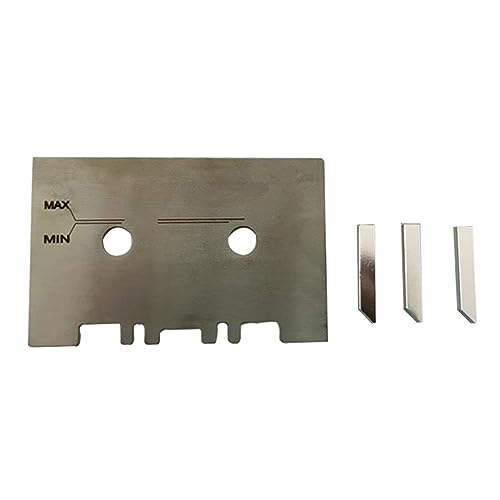
Mechanical alignment gauges, such as the XEGZLH 1PC Head & Guide Gauge Mechanical Alignment, assist with physical leveling and precise positioning. While traditional stands set the overall elevation, fine mechanical calibration tools ensure components and tape heads sit straight. Checking both vertical height and tilt angle guarantees consistent playback across sensitive equipment.
How can you verify that your speaker height is set correctly?
You can verify elevation by sitting in your primary listening chair and measuring the distance from the floor to your ears with a standard tape measure. Compare that measurement against the physical center of your speaker tweeters to check for alignment. You can also play familiar reference tracks, such as selections from our guide on the best songs to demo speakers, to evaluate vocal clarity and stereo focus.



Write Your Review
No reviews yet. Be the first to share your experience!