


Selecting a portable sound companion often begins with a fundamental budgetary question: what is cost of mobile speaker hardware across current retail categories? Portable audio spans everything from miniature vibration transducers and pocket stands to full-sized retro boxes and larger portable Bluetooth speakers designed for heavy outdoor playback. Understanding how acoustic component design, physical enclosure quality, and wireless streaming protocols influence retail asking prices helps buyers identify realistic expectations. Rather than relying on marketing labels alone, taking time to weigh driver configurations and practical listening environments ensures a well-matched audio investment.
Shoppers frequently discover that what is cost of mobile speaker options depends directly on the core sound generation technology being implemented. Compact bone-conduction transducers and basic magnetic induction stands offer budget-friendly audio amplification without complex internal amplification circuitry, while models with traditional dynamic drivers and vintage aesthetic cabinets command higher manufacturing investments. Examining practical wireless ranges, battery operational windows, and auxiliary playback options clarifies why certain units remain economical while others demand greater financial commitment. This comprehensive analysis outlines the physical engineering, connectivity features, and ownership expectations that ultimately establish mobile speaker price points.
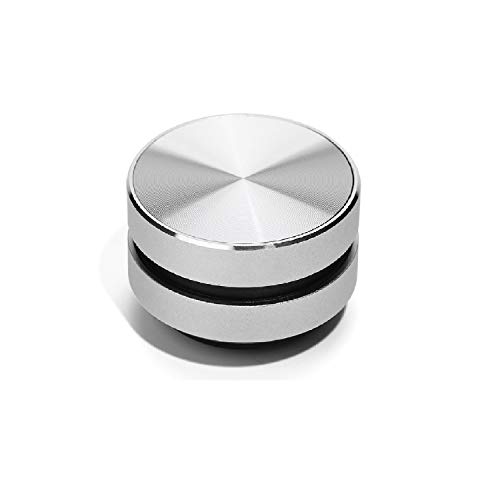
Pros
- Versatile bone conduction creates fun, instrument-like sounds on everyday objects
- True wireless stereo elevates solo play to full surround experience
- Compact portability fits any bag for on-the-go creativity
- Strong Bluetooth compatibility with major phones and tablets
- Powers up to 115dB for room-filling volume on ideal surfaces
Cons
- Sound quality shines brightest on hollow surfaces, less impressive standalone
- Volume and tone vary by object thickness and material
- Requires two units for full stereo, single unit is mono only
The Bigvapor Bone Conduction Speaker redefines portable audio by using vibration technology to turn any hollow object into a speaker. Stick it on a plastic box, guitar body, or even a dashboard, and enjoy a spectrum of sound effects that mimic different instruments. It's a game-changer for inventive users who want customizable audio without bulky gear.
Ideal for party hosts, travelers, or home tinkerers, this mini speaker pairs via Bluetooth with iPhones, Samsung devices, and tablets for music, calls, games, or podcasts. Two units connect automatically for true wireless stereo, delivering a surround experience perfect for tailgates or casual hangouts.
In real-world tests, it punches up to 115dB on thin hollow surfaces, creating lively vibes for small groups. While surface-dependent, its creativity factor makes it stand out from standard speakers. Verdict: A must-buy for fun-loving audio explorers seeking portable innovation.
Bone conduction tech vibrates surfaces for a dynamic sound signature that shifts from bassy thumps on buckets to crisp highs on glasses. Vocals stay clear for podcasts and calls, while volume hits 115dB on optimal thin objects, filling rooms without distortion.
Bluetooth range holds steady for stable streaming indoors or out, with TWS pairing two speakers for balanced 2.0 stereo. No companion app needed, but expect playful experimentation to dial in the best tone for movies or games.
FM radio adds versatility for live tunes, making it reliable for workouts where traditional speakers falter.
This ultra-mini design weighs next to nothing, making it the ultimate pocketable companion for hikes, beach days, or desk setups. Its rugged build handles daily tosses, though no official IP rating means keeping it dry during pool parties.
Portability reigns supreme, with a form factor that clings to surfaces via vibration alone, no clips required. Pair it with hollow finds like storage bins for extended play without bulk.
Battery life supports hours of vibes on a single charge, quick top-ups keep the party going. Focus on its lightweight freedom for all-day creativity without drain worries.

Pros
- Incredible portability with a lightweight, golf-ball-sized aluminum chassis
- Fascinating acoustic versatility that brings hollow surfaces and instruments to life
- Supports wireless dual-pairing for enhanced stereo imaging
- Premium unboxing experience packaged in an elegant presentation gift box
Cons
- Modest 3-hour battery life requires frequent recharging during long listening sessions
- Acoustic fullness and bass output depend entirely on the resonant quality of the surface
- Lacks water resistance ratings for poolside or outdoor splash hazards
The Anything Speaker reimagines personal audio by discarding traditional speaker cones in favor of an acoustic bone conduction vibration transducer. Instead of pushing air through an internal diaphragm, this miniature puck transfers sonic energy directly into whatever physical surface it rests upon. It targets mobile listeners, tech enthusiasts, and minimalist travelers who want to enjoy casual background music without lugging around heavy gear.
In real-world use, exploring your acoustic environment becomes half the fun. Placing the unit against a hollow wooden desk creates a rich, warm tone with noticeable midrange presence, while attaching it to an empty cardboard box unlocks surprisingly loud, room-filling sound. The acoustic profile shifts dramatically depending on whether you place it on a glass tabletop, a guitar body, or a plastic cooler, giving listeners a uniquely hands-on audio experience.
For those looking to expand their listening stage, the speaker includes built-in wireless dual-pairing functionality. Connecting two units simultaneously establishes true left and right stereo channels, effectively doubling the acoustic output and providing an engaging three-dimensional soundstage. It works wonderfully on hotel nightstands, office desks, or quiet patio setups where ambient sound is desired.
While it is not designed to replace high-power bookshelf speakers or deep-bass boomboxes, the Anything Speaker serves as an exceptionally fun, pocket-friendly acoustic gadget. Its solid metallic craftsmanship and interactive sound generation make it a memorable travel companion and a creative audio gift.
Because the Anything Speaker operates via surface induction, its frequency response is dynamic and fundamentally tied to the physical properties of the contact medium. Solid, dense surfaces like marble or thick granite emphasize crisp upper mids and bright treble while yielding minimal bass. Conversely, hollow wooden enclosures, acoustic guitars, and thin-walled cardboard act like passive soundboards, producing warm lower-mid resonance and respectable body.
Volume output scales directly with surface area. Placed on an expansive hollow plane, the vibration motor drives 360-degree omnidirectional sound that fills a small-to-medium room with crisp podcast dialogue and acoustic melodies. While extreme sub-bass frequencies are naturally limited by the laws of physics, pairing two units together in stereo mode creates genuine depth and spatial dimension that outperforms standard micro-speakers.
The Anything Speaker features an aerospace-grade aluminum enclosure finished in clean silver, measuring an ultra-portable 1.5 x 1.5 x 1 inches. Its rigid metallic body provides the mass and structural stiffness necessary to direct vibration downward into surfaces rather than dampening it internally. Despite being smaller than a standard golf ball, it feels reassuringly solid and well-machined.
Wireless connectivity is handled via standard Bluetooth, offering quick pairing and stable streaming across Android, iOS, and computer platforms. Power is delivered by an internal rechargeable lithium-ion battery engineered for approximately three hours of continuous playback per charge, making it ideal for compact travel packs, desktop use, and spontaneous listening sessions.

Pros
- Stylish retro design with wood veneer and leather handle stands out
- Impressive 12-hour battery suits all-day portability
- Bluetooth 5.1 ensures fast, stable connections with no drops
- Multiple playback options add flexibility for various music sources
- Built-in mic enables clear hands-free smartphone calls
Cons
- No waterproof rating limits use near water or in rain
- Lacks companion app for sound customization
- Untested long-term durability due to limited user feedback
The Fuse Andle speaker fuses vintage charm with modern portability, featuring a brown wood exterior, vegan leather handle, and classic knobs that nod to old-school audio gear. It's built for Americans who love blending nostalgia with everyday convenience, whether jamming at the park or chilling in the backyard.
In real-world use, it shines during casual outdoor sessions, delivering powerful sound that cuts through ambient noise without distortion. Bluetooth 5.1 pairs instantly with smartphones for seamless streaming, while USB, AUX, and microSD inputs offer backup options for offline playlists. The 12-hour battery keeps the party going from morning hikes to evening tailgates.
Targeted at style-conscious millennials and Gen Xers seeking a fashionable alternative to bland tech, the Andle stands out for its lifestyle appeal. Verdict: A top pick for portable fun if you prioritize looks and battery over rugged waterproofing.
The Fuse Andle pumps out powerful, room-filling audio with a warm tone that suits retro playlists and modern hits alike. Bass hits punchy for outdoor spaces, while mids keep vocals clear during calls or podcasts, ensuring balanced playback at high volumes.
Bluetooth 5.1 provides lightning-fast pairing, stable connections over extended range, and no audio drops even in breezy parks. Volume scales effortlessly to overpower beach waves or backyard chatter, making it reliable for group gatherings.
Overall, performance prioritizes fun, immersive listening over audiophile precision, excelling in casual scenarios where portability trumps studio-grade fidelity.
Crafted with a sleek brown wood veneer and vegan leather handle, the Fuse Andle looks like a premium vintage piece that's lightweight enough for tossing in a beach bag. Its compact form and nostalgic knobs make it both fashionable and user-friendly for daily carry.
Battery life delivers a solid 12 hours of continuous play on one charge, powering full-day adventures from park picnics to tailgates. While charging time isn't specified, it supports on-the-go USB recharges for minimal downtime.
Lacking an IP rating, it's best for dry environments rather than poolsides, emphasizing style and endurance over rugged waterproofing.

Pros
- Dual induction and Bluetooth modes offer flexibility for calls, podcasts, or high-quality music
- Secure anti-slip phone stand with full rotation for optimal viewing angles
- Long battery life supports extended indoor or outdoor sessions without recharging
- Emergency reverse charging keeps your phone powered in a pinch
Cons
- Bluetooth mode does not support phone calls, limiting it to music and video playback
- Induction mode caps volume boost at 30-40 percent, better for personal than party use
- Small 52mm driver prioritizes clarity over deep bass for larger rooms
The Jorest Wireless Induction Speaker combines a clever phone stand with dual-mode audio amplification, making it a practical gadget for everyday use. Simply place your smartphone on the induction pad for instant sound boost, or pair via Bluetooth for richer playback. Its foldable design and adjustable stand cater to users who multitask at desks, in kitchens, or during travel.
Targeted at older adults, teens, and gift buyers, it shines in scenarios like listening to podcasts while cooking or propping up an iPad for video calls. Real-world performance impresses with stable connectivity and anti-slip grip that keeps devices secure during rotations up to 270 degrees horizontally and 180 vertically.
Compatible with most 3-13 inch non-foldable phones and tablets, it's versatile for bathrooms, offices, camping, or beaches. While not a powerhouse for parties, its clear sound and portability make it a thoughtful choice for personal audio needs.
Verdict: A smart, affordable upgrade for hands-free audio that doubles as a stand, perfect for gifting on birthdays or holidays to tech-curious family members.
Sound signature leans toward clear mids and vocals, ideal for podcasts, audiobooks, and casual music in induction mode where it amplifies your phone's output to 30-40 percent louder without distortion. The 52mm driver provides balanced playback for personal spaces like desks or bedside tables.
Switch to Bluetooth for enhanced audio quality with a stable 10-meter range, perfect for streaming videos or tunes during yoga or fitness routines. Volume reaches satisfying levels for one or two listeners, though it won't fill large rooms with deep bass.
Induction excels for quick setup and call handling, while Bluetooth prioritizes music fidelity. No dropouts noted in typical indoor use, ensuring reliable performance across Apple and Samsung devices.
Compact and foldable, this speaker features a sturdy desk stand with dual clips and silicone strips for slip-free hold on various devices. Rotate it 270 degrees horizontally or 180 vertically to find the perfect angle for cooking videos in the kitchen or propping up during office calls.
No official waterproof rating, but its lightweight build suits indoor spots like bathrooms or light outdoor use at beaches and campsites. Three lighting modes (rainbow, blue, white) add stylish ambiance without bulk.
The 2000mAh battery delivers 5-8 hours at maximum volume, matching full workdays or weekend getaways. Quick charging returns it to full in a few hours, with emergency reverse charging as a bonus for low-phone moments.
Understanding What Drives the Cost of Mobile Speakers
When assessing what is cost of mobile speaker units across modern audio markets, the ultimate purchase expense reflects a combination of acoustic driver engineering, battery chemistry, and enclosure craftsmanship. Mobile listening devices range from bare-bones desk novelties and pocket-sized vibration transducers to full-featured retro desktop boxes with multi-source playback. Consumers often encounter wildly differing price tags for devices that claim similar basic wireless functionality. A closer look reveals that physical component selections and functional versatility dictate where any specific model lands on the price scale.
Primary Price Tiers in the Mobile Speaker Market
The mobile audio marketplace generally separates into entry-level utility gadgets, compact mid-tier travel transducers, and feature-rich lifestyle speakers. Entry-level options often focus on straightforward utility, such as combining basic magnetic induction sound amplification with integrated smartphone desk stands. Mid-tier selections frequently introduce specialized acoustic approaches, including compact bone-conduction transducers or rugged travel enclosures built for pocket transit. Moving into higher portable tiers brings substantial wooden or metal cabinets, larger dynamic drivers, and sophisticated multi-input playback options.
Each pricing tier aligns with specific manufacturing priorities and component selections. Lower-tier devices keep manufacturing overhead modest by utilizing simple plastic moldings, integrated passive phone amplification, or straightforward near-field sensors that bypass Bluetooth licensing. Mid-range models allocate resources toward specialized vibration motors or aircraft-grade aluminum shells that turn hollow household surfaces into resonant acoustic chambers. Higher-tier portable speakers invest in substantial battery capacities, tuned acoustic cavities, and vintage aesthetic flourishes that serve as decorative room centerpieces while delivering punchy personal audio.
How Acoustic Transducer Technology Affects Manufacturing Expense
The method an audio device uses to generate audible waves serves as the primary driver of production costs. Traditional mobile speakers rely on dynamic cone drivers with voice coils, magnets, and flexible surrounds mounted in sealed or ported chambers. Engineering these micro dynamic drivers to produce clear midrange vocals and recognizable lower frequencies without audible chassis distortion requires precision tooling and acoustic testing. Consequently, models housing larger, custom-tuned dynamic drivers generally cost more to manufacture than simple sound amplifiers.
Alternative acoustic approaches create distinct price profiles across the portable category. Bone-conduction induction speakers replace the traditional paper or polypropylene cone with an internal magnetic vibration transducer. These compact transducers send mechanical pulses directly into external surfaces, effectively turning hollow tables, cardboard boxes, or glass panes into sounding boards. Because these transducers require specialized electromagnetic coils capable of generating high-energy tactile pulses, their manufacturing precision often places them in mid-range or premium novelty pricing brackets.
Magnetic induction sound boosters represent another distinct mechanical methodology that keeps manufacturing costs remarkably low. Rather than receiving a digital wireless stream through Bluetooth decoding chips, induction speakers use internal electromagnetic pickup coils that capture sound waves straight from a smartphone speaker. This analog-style induction mechanism requires minimal circuit board complexity and eliminates the need for expensive wireless license royalties. While induction audio yields lower fidelity compared to Bluetooth streams, it allows manufacturers to produce affordable multi-functional audio stands.
Cabinet Materials and Structural Construction Costs
Enclosure materials play a decisive role in determining the final retail asking price of any mobile sound system. Basic portable speakers typically utilize injection-molded ABS plastic or thin polycarbonate shells because these materials are inexpensive to manufacture at high volume. While plastic housings provide functional lightweight portability, they can introduce unwanted resonant buzzing if the internal driver pushes high sound pressure levels. Reinforcing plastic enclosures with silicone bumpers or internal acoustic damping ribs adds tooling steps that incrementally elevate production costs.
Premium portable options frequently exchange plastic construction for heavier, acoustically stable materials like wood veneer or metal alloys. Dense wooden exterior walls, seen on retro-styled travel speakers, naturally absorb errant acoustic resonances to provide warmer vocal reproduction and cleaner mid-bass delivery. Incorporating real wood patterns, tactile metal control knobs, and stitched vegan leather carrying handles requires labor-intensive assembly processes compared to automated plastic stamping. These refined cosmetic and structural enhancements directly translate to higher consumer acquisition prices.
Mechanical articulation and mounting hardware also influence the manufacturing budget of modern desktop mobile units. Speakers that double as adjustable phone cradles require durable metal rotational pins, weighted support bases, and anti-slip silicone padding to stabilize heavy mobile tablets. Integrating a multi-axis hinge capable of rotating across wide angles demands tighter engineering tolerances to prevent drooping over time. When hardware combines sound amplification with physical device support, production budgets must balance acoustic parts against mechanical durability.
Battery Capacity and Power Delivery Architecture
The size and chemical quality of the internal rechargeable battery significantly influence portable speaker production expenses. Compact travel pucks often utilize modest lithium-ion cells rated for roughly three hours of continuous playback to keep their overall profile under two inches. Larger portable systems, however, incorporate high-capacity lithium packs, such as 2000 milliamp-hour cells or larger, to support extended runtimes up to twelve hours. Sourcing higher-density cells and engineering dedicated thermal protection circuits inevitably increases the bill of materials for manufacturers.
Power management features beyond basic playback also affect hardware costs. Some mobile desk speakers include secondary power routing that permits emergency reverse charging for connected smartphones or mobile accessories. Providing reverse power transfer requires advanced voltage regulators, short-circuit protection chips, and dual-purpose USB ports that handle both incoming current and outgoing discharge. These added electrical components safeguard connected mobile devices against dangerous power surges, which justifies the incremental cost of feature-rich desk companions.
Wireless Protocols, Codecs, and Input Versatility
Wireless connectivity standards represent another critical variable in the overall pricing equation for mobile audio. Modern Bluetooth 5.1 chipsets provide faster pairing routines, reduced transmission latency, and more dependable operational ranges compared to outdated wireless generations. Securing modern wireless controller chips and passing official Bluetooth certification protocols adds direct licensing expenses to every manufactured unit. Higher-tier portable speakers absorb these development costs to ensure steady streaming playback without frustrating audio drops or video sync lag.
Advanced wireless features, such as True Wireless Stereo pairing, require additional firmware programming and dual-antenna tuning. TWS technology enables two identical miniature speakers to link wirelessly, splitting incoming audio into dedicated left and right stereo channels. This synchronized dual-channel playback creates an expansive acoustic stage that far exceeds what a single mono travel speaker can generate. Developing stable master-and-slave wireless handshakes adds software overhead that is reflected in the price of paired travel units.
Physical connectivity options also dictate the complexity and expense of internal circuit boards. While minimalist speakers offer only basic Bluetooth reception, versatile units provide micro SD card readers, USB flash drive inputs, and traditional 3.5 mm auxiliary jacks. Each physical port demands additional decoding controllers, physical circuit board traces, and exterior chassis cutouts. Buyers seeking maximum playback flexibility should expect to pay slightly more for models supporting diverse analog and digital memory sources.
Form Factor, Portability, and Environmental Protection
Physical dimensions and outdoor preparedness create distinct cost divisions within the portable speaker category. Ultra-compact nano speakers engineered down to the size of a golf ball prioritize miniaturization, utilizing custom high-density vibration coils that fit inside tiny luggage compartments. In contrast, larger outdoor-oriented models like rugged portable speakers utilize substantial silicone gaskets, sealed port plugs, and water-shedding acoustic grilles. Incorporating protective rubberized bumpers and verifiable ingress protection standards increases production testing and material costs.
Specialized utility accessories and gift packaging also influence the shelf price of mobile sound devices. Travel-oriented bone conduction models often include customized carrying cases, suction pads, and premium presentation boxes that enhance the unboxing experience. Desktop models frequently integrate multi-color ambient lighting rings, offering white, blue, or dynamic mood illumination alongside audio amplification. While these ancillary additions do not alter raw audio quality, they add physical manufacturing cost and aesthetic value for gift shoppers.
Environmental resilience remains an area where buyers must distinguish marketing descriptions from verified technical specifications. A speaker described simply as outdoor-friendly or splash-resistant does not possess the structural water-tightness of dedicated water-resistant Bluetooth audio gear. True waterproof enclosures demand hermetically sealed driver surrounds, ultrasonic plastic welding, and specialized hydrophobic mesh coverings. Manufacturers invest heavily in these sealing procedures for true all-weather models, which naturally places them at higher price brackets than casual indoor mobile accessories.
Maintenance, Battery Care, and Long-Term Ownership Costs
Understanding the real cost of mobile speaker ownership also requires evaluating battery longevity and physical maintenance over time. Lithium-ion cells naturally undergo capacity degradation over repeated charge cycles, especially if portable units remain depleted for long periods. Choosing a speaker with robust internal battery management prevents overcharging and preserves maximum runtime across years of routine travel. Simple habits like storing portable units at moderate room temperatures and using regulated charging cables protect the internal power supply from premature failure.
Mechanical upkeep differs according to the specific design architecture of the speaker. Bone-conduction transducers rely on clean silicone suction pads and level contact surfaces to transmit acoustic vibrations efficiently without rattling. Devices featuring adjustable phone stands benefit from occasional inspection of rotational tension screws and silicone grip pads to prevent device slippage. Taking proactive care of moving joints, charging ports, and acoustic surfaces ensures that even modestly priced portable speakers deliver reliable performance throughout their operational lifespan.
Acoustic Performance Expectations and Realistic Value
Aligning expectations with manufacturing reality ensures consumers receive satisfactory return on their mobile audio expenditure. Budget-friendly induction stands and ultra-compact novelty speakers excel at amplifying podcasts, conference calls, and casual background video dialogue without occupying valuable desk real estate. However, their modest physical footprint and lack of dedicated subwoofers inherently restrict deep bass reproduction and concert-level volume output. Understanding these acoustic boundaries prevents listeners from expecting stadium-level sound dynamics from a palm-sized travel companion.
Investing in retro wooden desktop speakers or paired bone-conduction transducers unlocks fuller audio fidelity and creative sound experimentation. Placing a bone-conduction unit onto large hollow surfaces allows listeners to explore varied tonal signatures across household furniture and instrument bodies. Meanwhile, desktop models with wooden cabinets and classic analog adjustment knobs deliver warm vocal clarity and extended wireless playback suitable for office or patio leisure. Weighing intended listening habits against hardware design features remains the most reliable strategy for determining the ideal mobile speaker investment.




Write Your Review
No reviews yet. Be the first to share your experience!