
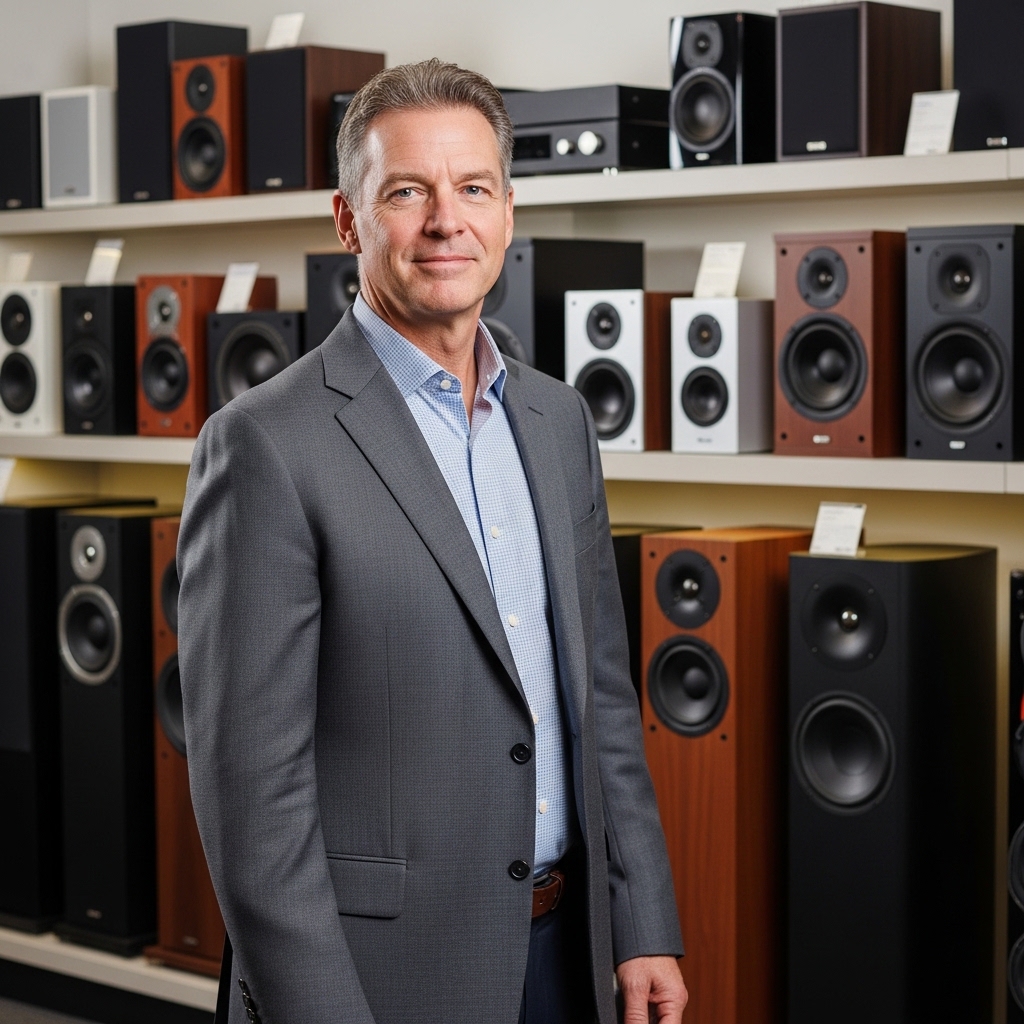

Smart home audio setups often start with a compact voice assistant, yet many listeners realize an entry-level device lacks low-end depth and volume. Audio owners frequently ask can alexa be connected to bluetooth speakers how so they can route playback to higher-fidelity hardware or a louder standalone system. Linking your assistant to an external speaker preserves convenient hands-free voice control while providing substantially richer sound across the entire room. Wireless Bluetooth pairing remains one of the simplest and most accessible methods to upgrade your everyday listening experience.
Many listeners explore budget-friendly Bluetooth audio options to improve their home audio without the hassle of running physical cables. Premium standalone choices like the Bose Home Speaker 300: Bluetooth Smart Speaker and the RIVA Concert Smart Wi-Fi Bluetooth Speaker integrate smart voice assistants directly into acoustic enclosures. Learning how to connect and configure these wireless connections prevents pairing errors, excessive audio latency, and sudden signal drops. The following steps clarify hardware requirements, connection procedures, and diagnostic tips for dependable wireless playback.

Pros
- Uniform 360-degree audio dispersion provides consistent sound throughout the entire room
- Exceptional microphone pickup even at high listening volumes
- Comprehensive wireless ecosystem with Wi-Fi, Bluetooth, and native Apple AirPlay 2 support
- Six convenient physical preset buttons for one-touch music playback without grabbing a phone
Cons
- Requires continuous AC wall power with no built-in battery for on-the-go outdoor use
- Punchy bass can slightly push back delicate acoustic midranges on dense, complex arrangements
- Lacks a 3.5mm auxiliary audio input jack for wired analog legacy gear
The Bose Home Speaker 300 is engineered for listeners who crave the full-bodied signature Bose acoustic profile inside an ultra-compact desktop package. Positioning itself as a premium step up from entry-level voice pucks, this speaker integrates high-grade audio hardware with the conveniences of a modern connected home. It is particularly well-suited for secondary listening spaces such as home offices, kitchens, and bedrooms where floor space is at a premium but sound quality cannot be compromised.
Day-to-day usability is where this compact powerhouse truly shines. The custom six-microphone array is engineered with acoustic noise-rejection technology, ensuring voice commands are accurately captured even when high-energy tracks are playing. Whether you choose Amazon Alexa or Google Assistant, managing smart home accessories, setting timers, or switching music queues happens without raising your voice. For times when voice commands feel inconvenient, the six capacitive touch presets on top of the cabinet let you launch saved internet radio stations or Spotify playlists instantly.
Connectivity options provide impressive flexibility across Apple and Android ecosystems. Utilizing dual-band Wi-Fi alongside Bluetooth, the speaker allows seamless streaming through the Bose Music app or directly via Apple AirPlay 2. Bose SimpleSync technology also enables pairing with compatible Bose noise-canceling headphones for private late-night listening without waking up the rest of the household.
Ultimately, the Bose Home Speaker 300 serves as a capable, stationary smart audio hub. While it is not intended for outdoor pool parties due to its corded power requirement, its combination of room-filling omnidirectional sound, reliable smart assistant integration, and intuitive physical controls make it an outstanding daily driver for everyday music lovers.
Acoustically, the Bose Home Speaker 300 punches well above its modest dimensions. The internal architecture features an inverted, high-excursion transducer aimed downward into an acoustic deflector. This design disperses sound 360 degrees, providing a uniform listening experience regardless of where you place the unit in your living space. Bass response is punchy, warm, and distinctly authoritative, handling modern hip-hop, electronic beats, and pop tracks with satisfying depth.
Midrange reproduction remains clear and vocal-forward, making podcasts, audiobooks, and vocal-centric acoustic tracks feel natural and present. High frequencies are crisp without veering into harsh sibilance, maintaining smooth treble sparkle across various musical genres. Integrated digital signal processing actively works behind the scenes to optimize the frequency curve, minimizing harmonic distortion even as volume levels approach upper limits.
While true stereo imaging is naturally constrained by a single physical enclosure, the omnidirectional soundstage easily fills medium-sized living spaces without the narrow sweet-spot limitations of conventional forward-firing speakers. Listeners can roam from room to room without experiencing the sudden drop-offs in clarity or presence typical of directional audio drivers.
Standing just 6.34 inches tall, 5.59 inches wide, and 4.02 inches deep, the Bose Home Speaker 300 sports a sleek elliptical footprint that tucks neatly into tight bookshelf nooks, kitchen counters, or bedside nightstands. Weighing just 2.09 pounds, it features an anodized aluminum acoustic grille wrapped around a sturdy composite housing, finished in a clean matte black coating that resists dust and fingerprints.
The top plate is lined with smooth capacitive glass touch controls for volume adjustments, play/pause, microphone muting, action commands, and the six quick-access presets. A slender LED light bar tucked beneath the top rim provides subtle visual feedback for volume levels, Wi-Fi pairing status, and voice assistant listening modes without creating an intrusive visual distraction in dimly lit bedrooms.
Hardware connections are streamlined for modern wireless life. The unit operates via continuous AC mains power using the included compact power adapter. High-bandwidth dual-band Wi-Fi (2.4 GHz and 5 GHz) and Bluetooth 4.2 provide rock-solid wireless stability, ensuring smooth audio streaming without unexpected cutouts or buffer delays.

Pros
- Exceptionally wide, room-filling soundstage courtesy of patented Trillium acoustic engineering.
- Versatile wireless options including Apple AirPlay 2, Wi-Fi casting, and Bluetooth.
- Clear far-field voice recognition with a dedicated hardware mute button for privacy.
- Convenient rear USB port charges smartphones and tablets during playback.
Cons
- Requires constant connection to a wall outlet as it does not include an internal battery.
- Compact footprint limits true sub-bass extension in very large, open-concept living spaces.
- Lacks an analog auxiliary input for connecting legacy wired audio sources.
The RIVA Concert is a compact, high-performance wireless smart speaker engineered to bridge the gap between audiophile-grade acoustic fidelity and everyday convenience. Operating as a capable alternative to mainstream smart speakers, the Concert leverages RIVA's proprietary audio architecture to eliminate the narrow, directional sound typical of standard single-box designs.
Designed for listeners who refuse to sacrifice acoustic clarity for voice-assisted utility, the speaker integrates seamlessly into contemporary streaming setups. Support for Apple AirPlay 2, Spotify Connect, and Wi-Fi streaming means you can effortlessly transition from your favorite morning news podcast to high-resolution afternoon playlists. Alexa integration responds promptly to ambient voice commands across the room, making smart home adjustments quick and natural.
In real-world testing, the Concert shines in vocal reproduction and instrument separation. While many lifestyle speakers resort to bloated bass processing to sound powerful, RIVA focuses on clean dynamics, articulate mid-tones, and an expansive stereo field. It easily fills standard bedrooms, home offices, and kitchens with vibrant, detailed sound.
Overall, the RIVA Concert is an impressive addition to any connected home. If you want a voice-enabled, multiroom-ready speaker that prioritizes authentic musicality, balanced output, and flexible streaming protocols, it stands as an outstanding sonic choice.
At the core of the RIVA Concert is the company's patented Trillium audio technology, paired with six custom precision drivers and 50 watts of clean amplification. This arrangement delivers a remarkably natural frequency response: mid-range vocals and guitars sit forward in the mix with lifelike warmth, while high frequencies remain crisp and airy without edging into harshness or fatigue.
Bass response is tight, balanced, and punchy. Rather than artificially boosting mid-bass frequencies to fake depth, the enclosure provides an honest low-end foundation that keeps complex jazz arrangements and modern rock rhythms distinct. While it will not shake the foundation like a dedicated external subwoofer, its bass impact remains exceptionally tidy for its physical footprint.
Soundstage representation is where the Concert truly differentiates itself. By processing audio channels through left, right, and center acoustic outputs, the speaker creates an unexpectedly wide listening zone. You do not have to sit dead-center to enjoy convincing stereo imaging, and the speaker maintains clean, distortion-free output even when pushed to room-filling volume levels.
Measuring approximately 4.87 by 5 by 7 inches and weighing 3 pounds, the RIVA Concert sports a sleek, vertical tower silhouette finished in an elegant white aesthetic. Its compact footprint sits comfortably on nightstands, countertops, and bookshelves, blending cleanly into contemporary home decor without demanding excessive real estate.
Hardware connectivity centers on modern wireless convenience, featuring dual-band Wi-Fi for multiroom and high-resolution playback alongside Bluetooth for quick guest pairing. Physical controls on the top panel provide tactile access to volume, playback, and input switching when you prefer not to use voice controls or smartphone apps.
Everyday convenience extends to thoughtful back-panel utility. A dedicated microphone mute switch provides complete peace of mind whenever privacy is preferred, and an integrated USB-A charging port allows you to top off your smartphone or tablet while streaming your favorite playlists. The system receives continuous firmware updates over-the-air to ensure ongoing compatibility and performance.
How to Connect Alexa to Bluetooth Speakers and Optimize Your Setup
Connecting an Amazon Alexa device to an external Bluetooth speaker is entirely possible, and the process takes only a couple of minutes to complete. You can configure your assistant hardware to stream all audio output to a more powerful external speaker, which improves music fidelity and dialogue clarity. This configuration allows you to retain convenient hands-free voice commands while benefiting from the acoustic engineering of dedicated audio gear.
Before initiating the connection, it helps to understand the direction of your audio transmission. Most listeners want their assistant to serve as a wireless transmitter, sending spoken responses and streaming music directly to an external speaker. In other scenarios, you might want to use a smart speaker as a receiver, playing tunes streamed from your phone or computer. The following sections walk through both approaches and outline the exact steps required for a reliable setup.
Understanding Audio Transmission Roles and Device Modes
Wireless audio systems depend on defined roles between paired devices, specifically designated as audio sources and audio sinks. When you link an assistant module to an external speaker, the assistant acts as the source or transmitter. It pulls digital audio streams from the cloud over your Wi-Fi network and broadcasts an outgoing signal across short-range Bluetooth frequencies.
The external speaker operates as the sink or receiver, translating the incoming radio signal into physical sound waves through its drivers. Conversely, if you pair a smartphone to your assistant device, the roles reverse completely. In that scenario, your phone acts as the source, while the assistant hardware functions as a standard wireless speaker. Recognizing this distinction ensures you initiate pairing from the correct device menu.
Some all-in-one smart speakers merge these separate hardware functions into a single unified chassis. Advanced options such as the Bose Home Speaker 300: Bluetooth Smart Speaker house both the microphone array and amplification inside one enclosure. These smart models support direct Wi-Fi streaming, Apple AirPlay 2, and Bluetooth playback natively, eliminating the need to transmit audio across two separate wireless gadgets.
Step-by-Step Instructions for Alexa App Pairing
The mobile application provides the cleanest and most reliable way to link an external speaker to your assistant. Begin by placing your wireless speaker and your assistant device in the same room to avoid weak signal discovery. Power on the external speaker, locate its Bluetooth pairing button, and hold it down until you see an indicator light flashing, confirming discoverability.
Next, launch the Alexa companion application on your smartphone or tablet and tap on the Devices tab located at the bottom of the screen. Tap the Echo and Alexa icon at the top left, then select the specific assistant device you intend to pair. Scroll down to the Bluetooth Connections setting and select the option labeled Pair a New Device.
Your mobile device will search the surrounding area for active Bluetooth signals and display available hardware in a simple list. Tap the name of your external speaker when it appears on the screen to establish the link. Your assistant hardware will play a brief chime and state audibly that it is connected, signaling that all audio is now rerouted to the external unit.
Connecting via Hands-Free Voice Commands
Spoken commands offer a convenient way to manage Bluetooth links without opening your smartphone. Once you place an external speaker into pairing mode, say clearly, “Alexa, pair.” The assistant will acknowledge the command, enter discovery mode, and announce any compatible devices it detects within range.
Voice controls are especially convenient for reconnecting hardware that has been paired previously. If your speaker is powered on and within range, simply say, “Alexa, connect to my speaker.” The assistant will scan its memory for the most recent connection profile and restore the wireless link within seconds.
Disconnecting requires no manual button pressing when you are finished listening to high-volume audio. Saying, “Alexa, disconnect” will sever the active Bluetooth transmission immediately. Your assistant then resumes using its built-in internal driver for routine voice responses, timers, and weather updates.
Comparing Two-Device Configurations with All-in-One Smart Speakers
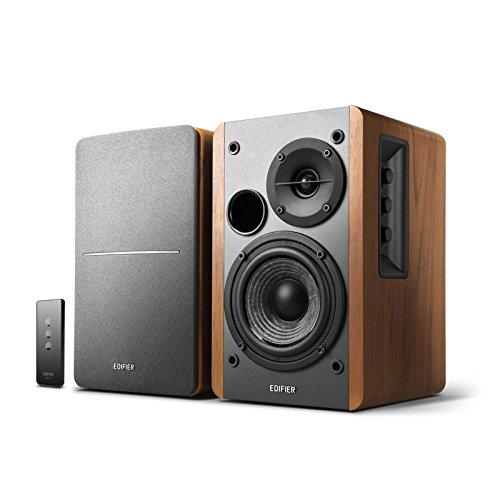
Deciding between linking an entry-level assistant to a separate speaker or investing in an integrated smart speaker depends on your space and listening habits. A dual-device setup allows you to repurpose existing sound systems without buying entirely new equipment. You can connect an inexpensive assistant puck to high-performance monitors or dedicated stereo loudspeakers to achieve substantial acoustic output on a modest budget.
Dual-device setups do carry several minor trade-offs, such as additional power cables and the potential for occasional wireless desynchronization. Integrated units, by contrast, combine high-fidelity acoustic components with voice processing in a single enclosure. The RIVA Concert Smart Wi-Fi Bluetooth Speaker illustrates this concept, delivering 50 watts of output and patented Trillium audio engineering alongside native Alexa voice capabilities.
All-in-one smart speakers also feature specialized microphone arrays designed to hear your commands over loud music playback. The Bose Home Speaker 300 uses a noise-rejecting six-microphone array positioned directly on top of the speaker. This acoustic isolation ensures the internal assistant hears voice prompts clearly, even while the unit produces deep bass.
Multiroom Audio Constraints and Group Limitations
Multiroom music groups allow you to broadcast identical audio across several rooms over a home Wi-Fi network. A key limitation arises when attempting to route this synchronized sound through external Bluetooth speakers. In standard assistant setups, linking an Echo device to a Bluetooth speaker disables that specific unit from participating in an active Multi-Room Music group.
This limitation stems from latency differences between local Wi-Fi synchronization and Bluetooth audio processing. Bluetooth connections introduce slight transmission delays that disrupt the millisecond-accurate timing required to prevent room-to-room echo. As a result, the platform automatically shuts off external Bluetooth streams whenever a multiroom group playback session begins.
Listeners seeking synchronized sound across different zones should explore native Wi-Fi multiroom configurations instead of external Bluetooth hops. Many audio enthusiasts place desktop speakers for music playback in work areas while relying on dedicated Wi-Fi smart speakers in shared living spaces. Wi-Fi streaming protocols maintain strict clock synchronization between rooms, ensuring uninterrupted audio without the range limits of Bluetooth.
Audio Latency and Bluetooth Codec Performance
Every wireless audio link introduces a measurable delay between the moment a signal is generated and when sound emerges from the speaker. Smart assistants typically rely on the standard Advanced Audio Distribution Profile (A2DP) paired with Subband Coding (SBC) or Advanced Audio Coding (AAC). These codecs prioritize stable signal transfer over ultra-low latency, introducing an audio delay between 100 and 200 milliseconds.
This latency is practically unnoticeable when streaming music, audiobooks, or ambient sounds. However, the lag can become obvious if you attempt to use the Bluetooth-connected assistant as a soundbar replacement for video playback. Spoken dialogue in movies or streaming video will lag noticeably behind mouth movements on your screen, creating frustrating lip-sync errors.
Environmental obstacles can exacerbate latency issues by forcing the devices to buffer audio packets repeatedly. Dense building materials such as concrete walls, metal shelving, and large mirrors weaken the 2.4 GHz radio frequency. Keeping the transmitter and speaker within fifteen feet of each other with minimal physical obstruction ensures the lowest possible buffering delay.
Troubleshooting Disconnections and Pairing Errors
Bluetooth pairing problems frequently occur when a speaker remains connected to an alternate source device. Many wireless speakers automatically bind to the last connected phone or laptop as soon as they power on, preventing your assistant from finding them. Disconnect the speaker from any other mobile devices or clear its saved pairing list before attempting to pair with your assistant.
Radio frequency congestion represents another common hurdle in modern smart homes. Both Bluetooth and standard 2.4 GHz Wi-Fi operate within the exact same radio spectrum, leading to potential interference near network routers. Moving your assistant and speaker at least three to four feet away from wireless routers, baby monitors, and microwave ovens can resolve chronic audio stuttering.
If your assistant repeatedly fails to detect the target speaker, a complete power cycle usually resolves the issue. Unplug your assistant hardware from the wall outlet for ten seconds, turn the external speaker completely off, and restart your mobile setup app. Re-establishing the power connection clears corrupt temporary memory tables and lets the pairing handshake proceed smoothly.
Optimizing Speaker Placement and Microphone Performance
Strategic placement of your audio equipment makes a noticeable difference in sound fidelity and voice recognition. Positioning an external speaker too close to room corners or interior walls can create boomy, uncontrolled bass that masks dialogue. Setting your speaker on an open surface at seated ear level promotes clean mid-range frequencies and balanced high-frequency dispersion.
The physical relationship between your assistant microphone and the external speaker driver is equally critical. If your assistant hardware sits directly next to or in front of the speaker’s woofer, loud sound will drown out incoming voice requests. Maintain at least two to three feet of physical separation between the assistant microphone and the speaker to preserve accurate voice detection.
Software equalization settings provide further control over how your audio interacts with the surrounding room. Many companion apps feature basic bass and treble sliders that allow you to customize frequency response. Taming excessive bass by two decibels or slightly boosting treble frequencies can dramatically improve spoken response clarity in rooms with hard flooring.
Managing Multiple Connected Devices and Profiles
Smart assistants can store multiple Bluetooth profiles in their internal memory, but they can only transmit to one active speaker at a time. If you own several wireless speakers in different rooms, assigning clear, distinct names to each device inside your app prevents confusion. Descriptive names like Kitchen Speaker or Patio Soundbar ensure your assistant targets the intended audio output.
When you have multiple profiles saved, the assistant will attempt to connect to the most recently active device by default. If that speaker is powered off, the assistant will cycle through its saved memory list looking for an alternate link. To prevent unwanted connections, you can open the device settings in your app and select Forget Device for any hardware you no longer use.
Using voice commands with specific device names gives you precise control over multiple units. Saying, “Alexa, connect to Kitchen Speaker” directs the system to bypass recent history and seek out that exact profile immediately. This voice-directed routing makes it simple to switch audio playback between living areas as you move throughout your home.
Maintaining Long-Term Connection Reliability
Keeping your wireless audio system running smoothly requires occasional maintenance and routine software management. Firmware updates for both smart assistants and connected speakers frequently contain stability patches for wireless communication protocols. Leaving your equipment connected to Wi-Fi and power overnight allows these background updates to install without interrupting daily listening.
Periodically inspecting your physical setup helps eliminate subtle connection degradation before issues arise. Ensure power adapters remain securely seated in wall outlets and check that no new metal objects or large electronic appliances have been placed between devices. Maintaining an unobstructed signal path keeps packet loss low and prevents unexpected audio stuttering during quiet listening sessions.
Taking time to understand the capabilities and limitations of Bluetooth transmission ensures you get the most out of your voice-controlled audio gear. Whether you choose to connect an existing external speaker to a standalone assistant or invest in a dedicated smart speaker, the setup provides hands-free convenience alongside expansive sound. Verifying device pairing, respecting multiroom boundaries, and maintaining clean signal paths will keep your wireless audio performing reliably every day.




Write Your Review
No reviews yet. Be the first to share your experience!