

Setting up a sleek curved workstation often leads to an unexpected silence when launching a video or loading a favorite playlist. Many computer users examining display specifications find themselves asking, are there speakers on cf391 curved led monitor before finalizing their desk arrangement. Display manufacturers frequently streamline slim enclosures by omitting built-in acoustic drivers, leaving users surprised when their operating system shows an active audio slider but produces no physical sound. Understanding whether your display can produce sound directly or simply acts as a passthrough hub is an essential step in building an enjoyable home office or media setup. Exploring how display panels with integrated speakers operate helps clarify why visual monitors differ substantially from consumer television sets.
The popular Samsung CF391 curved LED monitor features a clean white chassis with a curved profile, yet its audio capabilities require careful examination. When investigating whether are there speakers on cf391 curved led monitor is a feature of this specific model, the direct reality is that the CF391 does not include built-in internal speakers. Instead, the monitor receives digital audio through its video connections and routes that signal directly to a rear 3.5mm headphone jack. Users who desire audible desktop sound must either connect external powered speakers, rely on dedicated computer speakers, or choose an alternative display that integrates built-in sound hardware directly into the housing.

Audio Capabilities and Sound Solutions for the CF391 Curved Monitor
The short and direct answer to whether are there speakers on cf391 curved led monitor is affirmative is no. The Samsung CF391 curved LED monitor does not include internal speaker drivers within its cabinet. Many owners assume sound hardware exists because the display accepts digital audio through video cables and shows active volume settings. Navigating this hardware limitation requires understanding how the display manages incoming audio streams and what external equipment delivers the best listening experience.
Physical Hardware Inspection: Why the CF391 Has No Internal Drivers
A physical inspection of the Samsung CF391 chassis reveals a minimalist, ultra-slim profile with a glossy white finish. The rear casing and bottom bezel feature no speaker grilles, acoustic cutouts, or driver chambers. Internal audio drivers require physical depth and ventilation to move air and reproduce low frequencies effectively. By omitting internal speakers, the manufacturer was able to maintain an exceptionally slender enclosure across the entire curved radius.
Desktop monitors and conventional consumer televisions serve fundamentally different operational roles. While televisions almost universally incorporate internal speakers to serve living room entertainment needs, computer monitors prioritize visual panel performance and desk ergonomics. Dedicated computer workstations typically utilize standalone soundcards, external powered speakers, or high-performance gaming headsets. Omitting built-in transducers allows desktop displays to reduce manufacturing complexity while encouraging listeners to select sound gear matching their personal acoustic preferences.
Visual inspection also shows that the single multi-directional joystick on the back panel controls all on-screen display functions. Users navigating the menu system will notice a dedicated volume slider among the control options. This volume control frequently tricks users into believing internal speakers are simply muted or powered down. In reality, that software slider regulates the output level sent exclusively to the rear headphone connector rather than internal drivers.
Understanding the Rear 3.5mm Audio Passthrough Jack
The back panel of the CF391 includes a single 3.5mm auxiliary audio output jack positioned next to the video input ports. This port functions strictly as an analog passthrough terminal rather than an amplified speaker output. When a computer transmits video signals over an HDMI cable or DisplayPort connection, it simultaneously carries a multi-channel digital audio stream. The monitor extracts this digital pulse-code modulation signal and directs it to an internal digital-to-analog converter.
The onboard converter translates the digital bitstream into an analog electrical signal suitable for low-power listening devices. This output level is specifically engineered for standard wired headphones, earphones, or the line-level inputs of powered speakers. Attempting to power passive speaker cabinets directly from this port will result in silence because the monitor lacks an internal power amplifier. Listeners must connect self-powered hardware that contains its own dedicated amplification stage.
Signal quality through the monitor passthrough is generally clean enough for everyday office tasks and web browsing. However, routing an audio signal through graphics cards, display cables, and monitor conversion circuitry introduces extra processing stages. Some users may notice faint electrical background hiss when connecting sensitive earphones during quiet moments. Connecting audio gear directly to a dedicated PC soundcard or external USB interface often yields cleaner sound reproduction with lower background interference.
Why Operating Systems Detect the CF391 as an Audio Device
A major source of confusion for new owners occurs when checking sound settings in Microsoft Windows or Apple macOS. Modern operating systems query connected displays via Extended Display Identification Data, commonly referred to as EDID. Because the CF391 accepts digital audio over HDMI to feed its headphone jack, the graphics driver registers the monitor as a valid audio destination. The system sound tray will proudly display the monitor model name as an available playback device.
When users select the display as their active playback device, the operating system volume meter dances up and down with media playback. This animated visual indicator leads users to believe sound is playing somewhere on the desk. Because there are no physical speaker drivers behind the screen, the audio signal dead-ends at the empty rear 3.5mm jack. If no external cable is plugged into that port, no physical sound waves can reach your ears.
Fixing this confusion requires either connecting hardware to that rear jack or redirecting system output to another device. If you use desktop speakers wired directly to your computer motherboard, your operating system must select the computer soundcard instead of the monitor. Leaving the monitor selected as the default device while speakers remain plugged into the PC will cause complete silence. Verifying that the designated playback endpoint matches the physical cable connection immediately resolves this common setup issue.
Configuring Sound Routing and Desktop Audio Settings
Configuring your operating system correctly ensures audio travels along the intended hardware path. In Windows settings, navigate to the Sound control panel to inspect all listed output devices. If you choose to plug desktop speakers into the CF391 rear jack, set the monitor name as the default audio device. For macOS users, opening System Settings and choosing the display under the Output tab achieves the exact same operational result.
Similar principles apply when routing signals across various multimedia sources and entertainment hardware. For example, our walkthrough on connecting source devices directly to speakers explains how separate video and audio paths prevent signal confusion across complex desktop equipment. When connecting a gaming console or streaming stick to the monitor HDMI port, using the monitor 3.5mm jack is often the only convenient way to extract analog audio. In that specific console scenario, the monitor audio passthrough becomes an invaluable bridge to desktop soundbars or powered studio monitors.
If you experience persistent silence after connecting speakers to the display jack, perform several quick diagnostic checks. First, verify that the physical cable is fully seated in the 3.5mm socket, as a partial connection can cut the signal. Next, press the rear monitor control joystick to open the on-screen display and confirm the built-in monitor volume is set above zero. Finally, check that the operating system volume is unmuted and set to an audible level.
External Speaker Options for Curved Display Setups
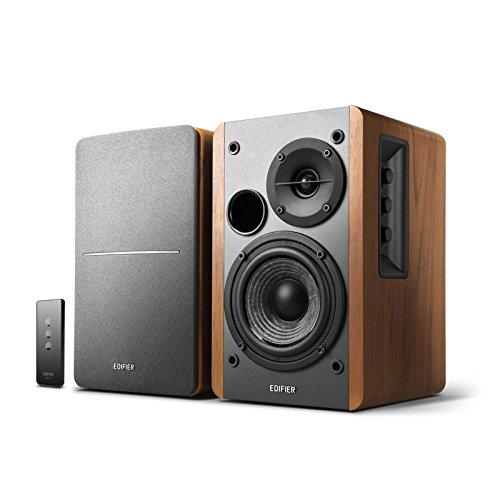
Because the monitor cannot generate sound independently, choosing external audio equipment represents the logical next step. A pair of compact powered bookshelf speakers or active desktop speakers offers an immediate upgrade over typical monitor audio. Active speakers contain integrated amplification, meaning they only require a 3.5mm auxiliary cable or RCA connection to begin playing. Placing a compact satellite speaker on each side of the curved display creates an expansive stereo soundstage that complements the curved visual field.
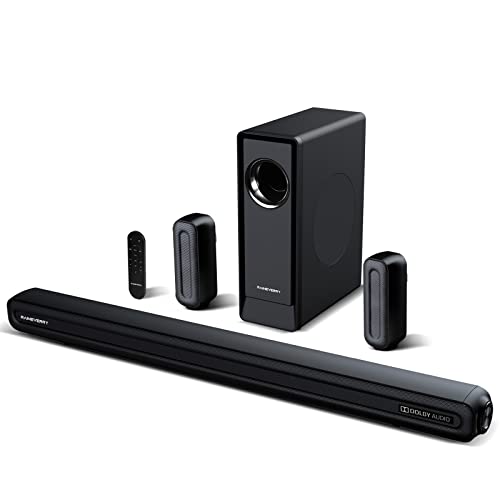
For desks with limited surface area, a low-profile computer soundbar provides a clean alternative. Many compact soundbars sit neatly beneath the bottom bezel of the display without obstructing the screen. These compact units typically receive power through a USB connection and accept audio through a standard 3.5mm audio lead. While they produce less stereo separation than twin bookshelf cabinets, their unified footprint fits small workstations and student study desks exceptionally well.
Users who prioritize minimalist aesthetics often prefer exploring wireless desktop speaker options to eliminate visible wire clutter. Bluetooth speakers allow computers, laptops, and mobile phones to stream music directly without running physical auxiliary cables behind the monitor. While wireless playback introduces minor latency that may distract competitive gamers, it offers tremendous flexibility for casual video streaming and background music. Pairing a Bluetooth speaker directly with your computer bypasses the monitor audio circuitry entirely.
Audiophiles and content creators may prefer connecting an external USB digital-to-analog converter and headphone amplifier. A dedicated desktop interface plugs into a computer USB port and provides superior digital clocking, reduced distortion, and enhanced dynamic range. High-impedance headphones and balanced studio monitors thrive when fed by dedicated audio gear rather than basic monitor passthrough circuits. Investing in dedicated desktop audio ensures your acoustic fidelity matches the sharp visuals of a high-resolution display.
Built-In Monitor Speakers Versus Standalone Audio Systems
When researching curved displays, buyers frequently compare models that omit speakers against displays engineered with integrated acoustic hardware. For instance, the CRUA 34 Inch 21:9 UWQHD 100Hz IPS Ultrawide curved monitor includes built-in speakers directly within its chassis. The CRUA monitor pairs an immersive 3800R curvature and 21:9 ultrawide aspect ratio with integrated sound drivers, dual HDMI 2.0 inputs, dual DisplayPort 1.4 connections, and a 3.5mm headphone jack. Built-in speakers provide clear notification chimes and voice playback for calls without demanding additional desktop space.
Integrated monitor speakers deliver undeniable convenience for compact desks, corporate offices, and shared workstations. Having audio hardware contained within the display chassis removes external power bricks, audio splitters, and desktop speaker cabinets. For video conferencing, casual YouTube viewing, and basic operating system alerts, built-in drivers provide adequate vocal clarity. Users with minimal workspace often find that an all-in-one display with built-in audio meets their daily needs without complicating desk organization.
Standalone speakers, however, maintain a commanding advantage when acoustic performance and immersion matter. Compact drivers squeezed into thin monitor bezels inherently struggle to generate deep bass frequencies or wide dynamic headroom. Separate active speakers feature larger enclosures, dedicated woofers, separate tweeters, and tuned bass reflex ports. While monitors like the CRUA ultrawide offer convenient integrated sound, dedicated speaker pairs remain the preferred choice for serious music listening, cinematic movies, and immersive gaming sessions.
Ergonomics, Placement, and Cable Management for Curved Displays
Curved monitors create a focused viewing sweet spot that naturally influences how you should position external speakers. To maximize acoustic performance, angle your desktop speakers inward toward your central listening position. Forming an equilateral triangle between the left speaker, right speaker, and your head produces an accurate stereo image with clear center dialogue. Aligning speaker tweeters near ear level further ensures high frequencies reach your ears without muffled reflections from the desktop.
Managing cables around a curved white display requires thoughtful organization to maintain a tidy workspace. Running a black 3.5mm auxiliary cable from the center rear of a white monitor to desk speakers can look untidy. Using white cable sleeving or routing cables along the monitor stand arm helps conceal necessary wiring. If your speakers connect directly to your PC tower, you can bundle the speaker cables alongside the main power and display cords for a streamlined presentation.
Ground loop noise represents another practical concern when connecting powered speakers to display audio jacks. If your speakers and computer are plugged into different electrical wall outlets, you might hear a low-frequency hum or buzzing sound. This interference often travels through the analog 3.5mm ground connection between the monitor and the speaker amplifier. Connecting all workstation equipment into a single surge-protected power strip typically eliminates ground differentials and silences annoying background hum.
Practical Takeaways for CF391 Audio Configuration
Confirming that your monitor lacks internal sound hardware eliminates hours of troubleshooting mysterious audio silences. If you own a Samsung CF391, recognize that its rear 3.5mm jack serves as a bridge rather than a sound generator. You can plug wired headphones directly into that rear socket or route the signal into a pair of powered desktop speakers. Alternatively, connecting audio equipment directly to your computer sound card bypasses the monitor entirely and often provides superior audio settings control.
Taking inventory of your personal sound requirements helps determine whether a simple pair of desktop speakers or an upgraded display makes the most sense. For daily office productivity and media consumption, adding compact powered speakers transforms the CF391 into an engaging multimedia workstation. If an uncluttered desk is your absolute top priority, choosing a curved screen with integrated sound drivers offers a tidy alternative. Evaluating your desk space, budget, and acoustic expectations ensures you achieve both crisp visuals and dependable audio performance.




Write Your Review
No reviews yet. Be the first to share your experience!