


Upgrading vehicle sound often begins when aging factory speakers start buzzing, crackling, or failing to deliver clear vocal tracks. Many drivers looking for cost-effective aftermarket replacements wonder about overall quality, leading to searches for an authentic are autotek speakers good review. Factory audio systems frequently use paper cones with limited high-frequency detail, so finding a capable replacement on a modest budget is a sensible step. Whether you need standard door replacements or are evaluating options like compact coaxial vehicle speakers for smaller dash locations, understanding build quality and power demands ensures you make the right choice.
Autotek has long held a place in the entry-level mobile audio sector, offering drivers accessible speaker upgrades without requiring complex amplifiers or expensive custom enclosures. Determining if these speakers deliver satisfying sound requires looking closely at real-world design details, including cone construction, tweeter design, and vehicle power matching. This practical assessment breaks down the build features, audio expectations, and installation realities behind the brand’s popular coaxial options. By balancing realistic expectations with proper setup habits, you can decide whether Autotek represents a worthwhile upgrade for your daily commute.

Evaluating Autotek Speakers: Build Quality, Sound Delivery, and Value
Autotek speakers provide an accessible, budget-conscious solution for drivers seeking to replace worn or blown factory door speakers without spending excessive money. When asking if Autotek speakers are good, the honest answer depends directly on your expectations, listening habits, and overall system design. For everyday commuting, clear podcast reproduction, and crisp vocal clarity, these drivers offer a distinct upgrade over deteriorating stock paper cones. However, listeners seeking competition-grade volume or subterranean bass response will need to understand the physical and acoustic boundaries of entry-level coaxial speakers.
The Core Sound Profile and Everyday Listening Expectations
The overall sound signature of Autotek coaxial speakers centers around vocal intelligibility and elevated high-frequency presence. Because factory car speakers often sound muffled due to cheap single-cone constructions, stepping into an entry-level two-way speaker immediately opens up dialogue, acoustic guitar strums, and cymbal strikes. Midrange frequencies come through with decent presence, allowing spoken podcasts and vocal tracks to cut through typical road noise. At moderate listening levels, the frequency balance feels lively and energetic, making daily errands far more enjoyable than listening to tired original equipment.
Pushing these drivers toward their maximum output limits, however, reveals the natural constraints of budget motor assemblies and compact voice coils. When driven by high volume levels from an unamplified head unit, the upper midrange can become somewhat forward or bright. This sonic behavior is typical for coaxial models that rely on simple capacitor-based high-pass filters on the tweeter rather than complex external crossover networks. Maintaining balanced equalization on your vehicle receiver keeps the sound smooth and prevents early listener fatigue during extended highway road trips.
Driver Construction: Polypropylene Cones and Neo Mylar Tweeters
Driver architecture plays a significant role in how well aftermarket mobile audio holds up against the harsh environment of a car door. Autotek models like the Street Machine series utilize polypropylene woofer cones paired with durable surrounds. Polypropylene provides a lightweight yet rigid structure that resists warping under rapid cone excursion, which helps control unwanted cone flex and mechanical distortion. Unlike traditional factory paper cones that easily degrade from moisture or humidity, synthetic cones withstand the temperature swings common to vehicle cabins.
Handling the high frequencies is a neo-mylar soft dome tweeter, which balances low manufacturing cost with respectable thermal endurance. Mylar material responds quickly to transient musical details, providing noticeable sparkle to instruments like tambourines, hi-hats, and brass sections. The integrated neodymium magnet motor allows the tweeter to remain compact without protruding excessively past the speaker basket rim. This shallow profile helps preserve clearance between the tweeter dome and the factory door panel grilles, simplifying physical reassembly.
Decoding Power Ratings: Peak Figures Versus Realistic Head Unit Wattage
Power handling ratings in entry-level mobile audio can easily confuse buyers looking at high printed wattage numbers. A speaker marked with a 250-watt peak rating indicates the brief maximum electrical burst the assembly can absorb before catastrophic mechanical or thermal failure occurs. In real-world vehicle applications, continuous root-mean-square wattage provides a far more accurate representation of true electrical capability. Operating these speakers continuously near their absolute peak rating will lead to thermal breakdown of the fine voice coil wire.
Most standard factory radios and basic aftermarket stereos output between 12 and 22 watts RMS per channel into a standard 4-ohm load. Autotek coaxial speakers are engineered with sufficient sensitivity to perform well within this modest power band, producing clear sound without demanding an external amplifier. Clean electrical power matters significantly more than raw wattage, as sending a clipped, distorted signal from an overdriven head unit can burn out a delicate tweeter voice coil quickly. Keeping the source volume below the amplifier clipping threshold preserves both speaker life and overall audio fidelity.
Acoustic Limitations and Midbass Expectations in 5.25-Inch Formats
Understanding the physical limits of speaker diameter prevents disappointment when evaluating low-frequency reproduction in your vehicle. A 5.25-inch coaxial driver possesses a relatively modest cone surface area, which limits its ability to displace large volumes of air necessary for deep sub-bass. While it easily reproduces kick drums, rhythm guitars, and lower vocal registers, it cannot replicate the physical chest thump produced by dedicated subwoofers. Expecting heavy, floor-shaking bass from a compact door speaker is simply contrary to the laws of acoustic physics.
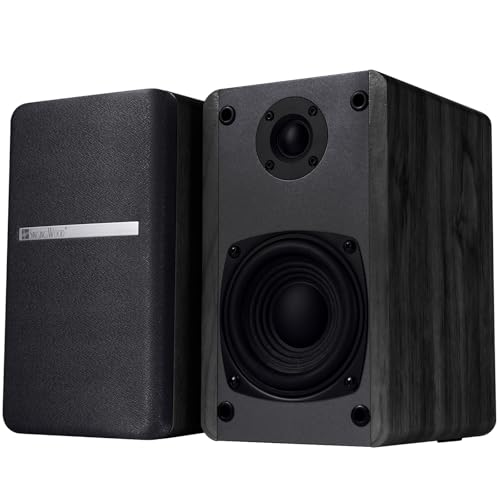
To optimize the midbass punch that these drivers are capable of delivering, proper door cavity sealing is essential. If sound waves radiating from the back of the cone leak into the front listening area, destructive phase cancellation occurs and saps remaining midbass energy. Applying basic dampening material around the speaker mounting baffle helps isolate front and rear waves, noticeably tightening drum impacts. While traditional passive stereo speakers used in home audio rely on carefully tuned wooden enclosures, car doors are inherently leaky resonant chambers that reward extra sealing effort.
Physical Fitment, Basket Dimensions, and Vehicle Installation Considerations
Before purchasing any aftermarket vehicle audio component, verifying physical mounting depth and cutout diameter is critical for a smooth installation. Autotek designs its Street Machine 5.25-inch coaxial line with a relatively compact stamped steel basket that drops into many standard factory speaker openings. Even so, window regulator tracks, door lock rods, and wiring harnesses inside the door cavity can interfere with the speaker magnet if clearance is tight. Measuring your door cavity depth with the window rolled completely down ensures the back of the magnet will not obstruct window travel.
Mounting patterns also vary across vehicle manufacturers, often requiring vehicle-specific adapter brackets or minor drilling to secure the speaker properly. Never allow a speaker frame to sit loosely against the door metal, as mechanical vibration will create annoying buzzes and degrade acoustic output. Utilizing foam gaskets between the speaker basket and the mounting surface prevents air leaks while decoupling the basket from vehicle sheet metal. Taking time to solder or crimp proper spade connectors to factory speaker wiring avoids intermittent audio cutouts caused by loose twist-and-tape connections.
Upgrading from Factory Paper Drivers: What Sonic Differences You Will Notice
The transition from worn original equipment drivers to modern aftermarket coaxial units yields immediate, noticeable improvements in sonic clarity. Original equipment car speakers in non-premium audio systems frequently feature untreated paper cones, tiny ceramic magnets, and foam surrounds that rot after several years of sun exposure. These aging materials lose elasticity and structural rigidity, creating a muddy, indistinct sound that struggles to separate instruments. Installing fresh coaxial speakers restores high-frequency transient response, making lyrics crisp and easier to understand without needing excessive volume.
Another clear benefit is the spatial separation introduced by a dedicated tweeter mounted over the main cone axis. In single-cone stock setups, a single paper whizzer cone attempts to handle the entire audible spectrum, causing intermodulation distortion when complex musical passages play. With a two-way design, high frequencies route to the tweeter while the main cone focuses on midrange and upper bass frequencies. While these affordable drivers will not match the refinement of the best sounding audio speakers on the market, the clarity upgrade over blown stock speakers is undeniable.
Amplifier Matching: Factory Receivers Versus Low-Power Outboard Amps
Deciding whether to add an external amplifier to an entry-level speaker setup involves weighing cost against acoustic performance. Because Autotek coaxial models feature moderate sensitivity ratings, they operate happily when powered directly by a factory radio harness or an entry-level dash receiver. For casual listeners who keep volumes at conversational or moderate levels, this direct receiver connection provides plenty of volume while keeping installation simple. You avoid the cost and labor of running heavy gauge power cables from the vehicle battery to an amplifier chassis under a seat.
However, pairing these coaxial speakers with a modest multi-channel outboard amplifier running 30 to 50 watts RMS per channel can unlock cleaner dynamic peaks. Standalone amplifiers possess larger power supplies with substantial headroom, preventing the harsh distortion that occurs when small head unit chips run out of voltage. If you frequently drive with windows down on the interstate or battle heavy engine rumble, an outboard amplifier keeps music dynamic and crisp. The key is setting amplifier gain controls conservatively so you do not overpower the voice coils during spirited listening sessions.
Tuning Your Audio System for Clean Output and Component Protection
Proper equalization and crossover filtering are vital to extracting the best audio reproduction while protecting delicate driver components. Many drivers make the mistake of setting their receiver bass slider to maximum in an attempt to force deep sub-bass from compact door speakers. Artificially boosting low frequencies forces the small woofer cone into extreme excursion, quickly causing mechanical bottoming and audible distortion. Instead, activating a high-pass filter around 80 Hz or 100 Hz on your receiver lets the door speakers focus exclusively on what they do best: clean mids and highs.
Relieving smaller drivers from heavy sub-bass duties allows them to play louder and cleaner without heating up their voice coils. If your source unit features a multi-band graphic equalizer, gentle adjustments yield far better acoustic results than dramatic boosts or cuts. Attenuating harsh frequencies around 2.5 kHz to 4 kHz can tame occasional brightness from the mylar tweeter, creating a warmer sound profile. A balanced acoustic curve protects your investment and ensures dialogue remains intelligible across various music genres and spoken word broadcasts.
Automotive Durability: Resistance to Moisture, Sun, and Temperature Swings
Automotive doors represent one of the most punishing physical environments for any piece of audio equipment. Rainwater naturally enters vehicle doors through window weatherstripping, dripping down internal sheet metal before exiting through bottom drain slots. Autotek designs its Street Machine line with synthetic cone formulations and treated surrounds specifically to withstand direct water exposure and high humidity. Standard factory paper drivers often absorb this moisture, becoming waterlogged, heavy, and distorted before eventually molding or tearing along the surround.
Intense heat and ultraviolet rays shining through side windows can also degrade inferior adhesives and surround materials over several seasons. Polypropylene resists thermal degradation, allowing the cone to retain its shape even when vehicle interior temperatures climb on hot summer days. The stamped steel basket provides a rigid foundation that resists twisting when secured to uneven vehicle door inner skins. As long as installation keeps internal door water drains clear and prevents wire chafing, these coaxial units deliver dependable service through years of seasonal temperature swings.
Identifying the Ideal Buyer and Acknowledging Practical Trade-Offs
Autotek coaxial speakers represent a practical choice for a specific category of vehicle owner. If your primary objective is replacing cracked, rattling original equipment speakers on an older daily driver, work truck, or second car, these speakers provide exceptional value. They restore functional audio, improve speech clarity, and drop into standard cutouts with minimal fabrication work. Budget-minded DIY mechanics will appreciate that they can refresh all four vehicle doors for a fraction of the cost associated with high-end audio brands.
On the other hand, seasoned audiophiles seeking reference-level imaging, silk dome smoothness, or extreme acoustic accuracy should look into higher tiers of car audio. High-end component speaker systems feature separate outboard crossover networks, larger voice coils, and cast aluminum baskets that offer superior damping and lower distortion. Autotek does not pretend to compete with premium competition gear; rather, it delivers solid, no-nonsense utility for listeners who want clean sound without financial strain. Recognizing these realistic boundaries ensures you walk away completely satisfied with your purchase.
Practical Verification and Final Installation Steps
Before fastening door panels and reinstalling trim clips, conducting a series of operational checks ensures your audio upgrade performs properly. Power on your vehicle audio system at low volume to verify that both left and right speakers produce sound without crackling. Test your receiver fader and balance controls to confirm that each channel corresponds to its intended physical location in the cabin. Listen closely to the tweeter assembly to ensure high-frequency detail plays cleanly, confirming that internal connections are seated firmly on their terminals.
Check that speaker wiring is safely tucked away from moving window glass mechanisms, door lock linkages, and sharp metal edges. Reinstall the door card securely, making sure the factory grille does not press directly against the tweeter dome or speaker surround. Once fully assembled, take a few minutes to audition your favorite music tracks while seated in the driver position to adjust receiver treble, midrange, and bass controls. With thoughtful setup and reasonable power matching, Autotek speakers deliver a reliable, cost-effective sound upgrade that keeps daily driving enjoyable.




Write Your Review
No reviews yet. Be the first to share your experience!