


Riders often discover that standard integrated tablet speakers struggle to match the energy of high-intensity indoor training. Whirring flywheels and heavy breathing easily overwhelm weak rear-facing drivers, masking critical coaching cues and musical rhythm. Many fitness enthusiasts naturally ask if can sonos speakers be used with peloton to create a more dynamic and engaging acoustic environment. Quality sound makes long rides more enjoyable, while clearer speaker hardware delivers the vocal clarity needed to catch every cadence callout.
Connecting audio gear across separate platforms can raise practical compatibility questions, especially when linking specialized gym hardware with multi-room sound systems. Modern wireless protocols and physical adapters now offer several dependable pathways to bridge your workout equipment. Researching dedicated hardware like sounding Bluetooth speakers highlights how wireless pairing transforms routine rides into energetic studio sessions. Exploring these connection types helps you choose the most reliable setup for your home training space.


Pros
- Upgraded dual-tweeter design creates genuine stereo imaging from a single chassis
- Substantial 24-hour battery endurance effortlessly handles long outdoor gatherings
- Automatic Trueplay calibration adapts to changing environments without manual app adjustments
- Rugged, drop-resistant construction backed by an IP56 water and dust protection rating
- Seamlessly links with existing Sonos multi-room ecosystems over Wi-Fi
Cons
- At 6.6 pounds, the speaker is fairly hefty for carrying on long walking commutes
- Auxiliary line-in connectivity requires purchasing a separate proprietary USB-C adapter
The Sonos Move 2 sets a high standard for premium hybrid portable speakers, bridging the gap between high-end home sound systems and rugged outdoor audio. While the original Move proved that Sonos could venture beyond the power outlet, the Move 2 refines the formula with a comprehensively re-engineered internal acoustic layout. It solves the narrow dispersion of traditional portables by delivering true stereo sound from an all-in-one enclosure, making it a compelling option for audiophiles who refuse to compromise on fidelity when moving from the kitchen to the backyard patio.
Everyday use is remarkably seamless. Switching between your home Wi-Fi network and standalone Bluetooth pairing happens automatically, allowing uninterrupted streaming regardless of where your day takes you. The inclusion of automatic Trueplay tuning continuously optimizes performance in the background. Far-field microphones monitor the acoustic boundaries of your space, automatically adjusting the output whether the speaker is backed against a tiled kitchen wall or resting on an open patio table.
Though its 6.6-pound weight and generous frame make it a speaker meant for carrying around the property rather than packing into an ultralight hiking pack, the ergonomic rear handle makes room-to-room transit natural. Combined with a sleek drop-in wireless charging base, the Sonos Move 2 stands out as a versatile, powerful centerpiece that delivers reference-grade playback in any setting.
Acoustic performance on the Sonos Move 2 is headlined by its dual-angled tweeter array, replacing the mono tweeter of its predecessor. This driver configuration directs high frequencies outward to the left and right, creating a noticeably wide, immersive stereo soundstage. Vocals sit squarely in the center with immaculate clarity, while acoustic guitars, brass, and percussion transients maintain sparkling detail without becoming overly bright or fatiguing during extended listening sessions.
Low-end reproduction is handled by a precision-tuned, long-throw mid-woofer housed inside a sealed acoustic cabinet. Bass response is punchy, musical, and remarkably authoritative, supplying palpable low-frequency energy that remains clean even when pushing volume levels upward. Thanks to custom digital signal processing and responsive Trueplay calibration, the Move 2 retains low-end definition outdoors without sounding hollow or anemic.
Built using shock-absorbent polymer plastics and a heavy-duty front grille, the Sonos Move 2 is built to endure everyday bumps, drops, and outdoor hazards. Certified to an IP56 standard, the cabinet prevents intrusion from fine sand, windblown dust, and direct water sprays, making it well-suited for poolside use or unexpected rain showers. Measuring 9.49 inches high by 6.3 inches wide, the speaker feels substantial, anchored by a weighted silicone base that prevents accidental tip-overs.
Hardware features are centered around contemporary wireless standards, including Wi-Fi 6 and Bluetooth 5.0 for low-latency transmission. Power management is greatly improved, delivering up to 24 hours of playback from a single cycle. The unit includes a minimalist drop-and-go charging cradle equipped with a detachable USB-C power adapter. The versatile rear USB-C port also supports USB-PD pass-through, allowing you to charge your phone directly from the speaker during outdoor trips.

Pros
- Zero listening microphones for complete privacy in sensitive living spaces
- Impressive stereo separation and low-end punch from a compact desktop footprint
- Supports both high-res WiFi streaming and universal Bluetooth connectivity
- Effortless multiroom synchronization with existing Sonos soundbars and speakers
Cons
- Requires a proprietary Sonos adapter (sold separately) for 3.5mm line-in connections
- No built-in voice assistant capabilities for smart home voice commands
- Must remain tethered to a wall outlet as it does not include a battery
The Sonos Era 100 SL carries forward the legacy of the beloved Sonos One SL, reimagined with next-generation acoustic architecture and modern connectivity. Designed intentionally without built-in microphones, this speaker caters to audiophiles and privacy-minded consumers who want Sonos ecosystem integration without ambient voice listening in private bedrooms, home offices, or dens. Its crisp white finish and modern silhouette effortlessly blend into high-end decor while delivering substantial sonic upgrades over previous generations.
Setup is virtually effortless via the Sonos app on iOS or Android. Within minutes of plugging in, the Era 100 SL joins your local network, unlocks seamless streaming via Apple AirPlay 2, Spotify Connect, and the Sonos app, and introduces direct Bluetooth pairing for guests. For existing Sonos system owners, incorporating the Era 100 SL into an existing multiroom setup or assigning two units as dedicated rear surround channels for a soundbar takes only a few taps.
In everyday use, the speaker shines across diverse environments. As a desktop companion, it provides non-fatiguing, wide-dispersion sound that stays engaging even at low, conversational volumes. When pushed harder during social gatherings, it easily fills mid-sized rooms without noticeable distortion or dynamic compression, handling complex musical passages with composed composure.
Ultimately, the Sonos Era 100 SL is a standout performer in the compact wireless speaker category. By stripping away voice microphones in exchange for peace of mind, while simultaneously upgrading the audio driver array, Sonos has produced an accessible, premium speaker that balances convenience, acoustic precision, and privacy.
Under the grille, the Sonos Era 100 SL features a major acoustic redesign. Unlike traditional single-tweeter mono speakers in this class, the Era 100 SL incorporates two angled tweeters coupled with custom waveguides. This layout physically directs high frequencies to the left and right, creating a convincingly wide stereo soundfield from a single cabinet. Highs sound airy and articulate, rendering cymbals, acoustic strings, and breathy vocals with crisp precision without tilting into harsh sibilance.
Handling the lower registers is an enlarged midwoofer powered by custom class-D digital amplifiers. The driver delivers rich, textured midrange reproduction and surprisingly deep, resonant bass. Kick drums hit with authoritative punch, and basslines remain clean and defined rather than turning into muddy low-end boom. Trueplay tuning uses your mobile device to measure room reflections, smoothing out standing waves and room nodes to ensure flat, accurate sound reproduction whether placed on an open shelf or tucked against a drywall corner.
The Era 100 SL features a sleek cylindrical form factor measuring 4.72 inches deep, 5.19 inches wide, and 7.22 inches high, weighing just under 4.5 pounds. The enclosure is constructed from premium matte-finish polycarbonate with micro-perforated acoustic grilles. The top surface houses intuitive capacitive touch controls for play, pause, track skipping, and volume sliding, keeping the interface clean and tactile without physical buttons or microphone toggles.
Connectivity options have been modernized beyond standard WiFi streaming. The speaker supports dual-band WiFi 6 alongside Bluetooth 5.0 for quick playback from any phone, tablet, or laptop. Around the rear, a multi-purpose USB-C port provides optional line-in capabilities when paired with the Sonos Line-In Adapter, allowing you to connect a turntable, preamp, or CD player directly to your Sonos wireless network. The unit operates on standard 100-240V AC power via a flush-fitting, detachable power cable.

Pros
- Remarkable vocal clarity and dedicated speech enhancement mode for movies and television.
- Ultra-compact form factor fits easily beneath virtually any TV without blocking the screen or sensors.
- Seamless integration with the broader Sonos multiroom audio ecosystem and Apple AirPlay 2.
- Durable, precision-perforated polycarbonate grille that is easy to wipe down and clean.
Cons
- Lacks upward-firing drivers, relying on psychoacoustic virtualization for Dolby Atmos height effects.
- Single HDMI eARC port offers no passthrough inputs for external media streamers or game consoles.
- Does not support standard Bluetooth audio streaming, requiring a home Wi-Fi network for playback.
The Sonos Beam Gen 2 represents a masterclass in modern compact soundbar engineering, purpose-built for entertainment enthusiasts who want cinematic sound without dominating their living space. Designed primarily for small to mid-sized rooms, bedrooms, and apartments, this sleek unit refines everything that made the original Beam popular while adding advanced processing power. It bridges the gap between tinny television speakers and massive multi-component theater rigs, appealing directly to modern streamers and casual audiophiles alike.
In real-world everyday use, the Beam Gen 2 immediately elevates movie nights and casual television viewing. The inclusion of a faster processor allows the soundbar to deploy five distinct speaker arrays rather than the previous three, projecting sound across the room with convincing directional panning. Watching modern Dolby Atmos content reveals ambient cues placed strategically beyond the borders of your screen, while the dedicated Speech Enhancement mode ensures whispers and low-tone dialogue remain articulate without constantly reaching for the volume button.
Beyond television entertainment, the Beam Gen 2 functions as a standalone high-fidelity music speaker. With comprehensive support for the Sonos app, Spotify Connect, and Apple AirPlay 2, music playback exhibits a pleasing, energetic character with articulate mids and sparkling highs. While bass lovers may eventually crave the deep sub-bass of an added Sonos Sub, the standalone bar produces respectable punch that exceeds expectations for its size.
Ultimately, the Sonos Beam Gen 2 stands out as one of the best all-around compact soundbars available today. Its combination of painless setup, pristine dialogue rendering, and expandable wireless ecosystem makes it an investment that grows with your entertainment needs. For anyone seeking a space-saving audio powerhouse that delivers true premium performance, this soundbar comes enthusiastically recommended.
Acoustically, the Sonos Beam Gen 2 punches well above its modest dimensions. The internal configuration features one central tweeter for crisp high-frequency reproduction flanked by four elliptical midwoofers that manage middle frequencies and mid-bass. Three integrated passive radiators optimize airflow inside the sealed cabinet to produce surprisingly deep, resonant low-end response. Each active driver is powered by its own calibrated Class-D digital amplifier, providing distortion-free clarity even as volume levels approach room-filling peaks.
The soundstage performance is where the Beam Gen 2 truly shines, utilizing psychoacoustic frequency processing to emulate 3D surround sound and overhead Dolby Atmos audio. While it lacks physical upward-firing drivers, the phased speaker arrays direct audio cues horizontally and vertically around the listening environment. Bass reproduction is tight and controlled, preventing muddy dialogue, while the treble remains smooth and fatigue-free during extended gaming or movie sessions.
Measuring just 25.6 inches wide, 2.7 inches tall, and 3.9 inches deep, the Beam Gen 2 easily tucks under most desktop monitors and TV consoles without obstructing infrared sensors. Its exterior shell replaces the traditional fabric cloth with a precision-perforated polycarbonate grille. This update not only lends the soundbar a modern, premium aesthetic matching the flagship Sonos Arc, but it also resists dust, pet hair, and discoloration over prolonged use.
Connectivity centers on a high-bandwidth HDMI eARC port located on the rear panel, accommodating uncompressed surround audio formats such as Dolby TrueHD and multi-channel LPCM. Sonos also includes an optical audio adapter in the box for legacy televisions lacking HDMI ARC. Wireless capabilities include dual-band Wi-Fi and Apple AirPlay 2, while intuitive capacitive touch controls on the top surface allow for quick adjustments to volume, playback, and built-in microphone muting.
Pros
- Hardware-level microphone exclusion provides guaranteed privacy for sensitive rooms.
- Dual-tweeter design delivers noticeably wider stereo dispersion than previous generations.
- Supports both high-res WiFi streaming and convenient Bluetooth connectivity.
- Compact footprint fits neatly on nightstands, bookshelves, and kitchen counters.
- Simple app-guided setup and integration into existing Sonos ecosystems.
Cons
- Requires constant AC wall power and does not contain an internal rechargeable battery.
- Connecting analog devices like turntables requires a separate USB-C line-in adapter.
- Lacks voice assistant capabilities due to the intentional absence of microphones.
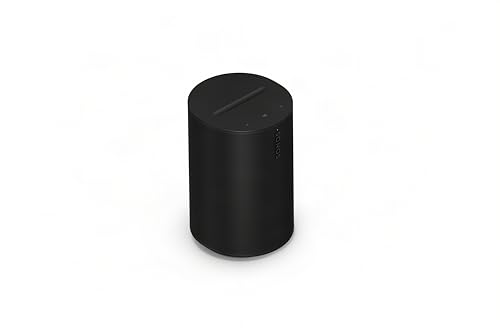
The Sonos Era 100 SL reimagines compact wireless home audio by delivering the impressive acoustic architecture of the renowned Era lineup while deliberately eliminating internal microphones. Engineered for privacy-minded listeners, home offices, and bedroom suites, this speaker brings refined modern aesthetics and effortless multi-room audio integration without smart assistant listening devices in your private sanctuary.
Setting up the Era 100 SL takes only minutes through the intuitive Sonos app, which walks you through network connection and acoustic calibration. In daily listening, the speaker performs impeccably across genres. It reproduces delicate acoustic picking with crisp realism and fills small to mid-sized rooms with effortless presence. The addition of low-latency Bluetooth connectivity makes it easy for visiting guests to stream audio without needing access to your secure local WiFi network.
Beyond standalone operation, the Era 100 SL excels when integrated into a broader home theater or multi-room layout. Pairing two of these units with a Sonos soundbar creates an immersive rear surround array with exceptional spatial detail. For listeners seeking pristine sound quality, rock-solid wireless stability, and complete privacy, the Era 100 SL stands out as a superb domestic audio solution.
Acoustically, the Era 100 SL represents a significant evolutionary step over traditional single-driver wireless speakers. By angling two high-output tweeters in opposing directions and pairing them with custom waveguides, the speaker pushes highs smoothly across the listening area, creating an expansive stereo sweet spot that defies its small stature. Vocals remain centered, rich, and articulate, avoiding the boxy sound common in compact enclosures.
The low-frequency reproduction is anchored by an enlarged midwoofer powered by dedicated Class-D digital amplifiers. Bass response is remarkably authoritative, delivering tight kicks and warm basslines without buzzing or port chuffing. With Sonos Trueplay tuning enabled, the speaker actively measures room reflections and adjusts the frequency curve to ensure tight, balanced low-end performance whether positioned out in the open or right against a wall.
Measuring 4.72 by 5.19 by 7.22 inches, the Era 100 SL showcases a refined cylindrical silhouette wrapped in an acoustically transparent, non-resonant polycarbonate enclosure. The smooth matte black finish blends into contemporary home decor, while top-mounted capacitive touch controls offer immediate volume adjustments, playback scrubbing, and track navigation without requiring your smartphone.
Hardware interfaces include modern dual-band WiFi and Bluetooth capabilities for flexible wireless operation across multiple sources. On the back, a multi-purpose USB-C connection allows you to route analog turntables, CD players, or auxiliary equipment directly into your Sonos network via an optional line-in adapter. Because this speaker is engineered for consistent domestic performance, it draws continuous power from an included AC cable rather than a temporary battery pack.

Pros
- Dual angled tweeters deliver genuine stereo separation and vivid vocal clarity.
- Adds native Bluetooth and line-in capabilities previously missing from compact Sonos speakers.
- Fast, reliable Trueplay tuning tailors EQ profiles to any room layout in seconds.
- Intuitive touch controls with a dedicated capacitive volume slider on the top panel.
Cons
- Line-in adapter for connecting turntables or analog audio gear is sold separately.
- Requires continuous wall power and does not contain a rechargeable battery for on-the-go portability.
- Full advanced Trueplay acoustic tuning remains limited to Apple iOS devices.
The Sonos Era 100 represents a massive evolutionary leap forward for compact wireless home audio. Serving as the direct successor to the long-standing Sonos One, the Era 100 completely overhauls its internal acoustic architecture by incorporating dual angled tweeters and a substantially larger midwoofer. Driven by an upgraded processor, it transforms standard mono playback into an expansive stereo soundstage that punches far above its physical footprint. Designed specifically for listeners who demand pristine acoustic fidelity in medium-sized living spaces, it fits naturally on countertops, nightstands, and bookshelves.
In everyday use, the Era 100 proves just how versatile a modern connected speaker can be. Setting up the unit takes mere minutes using the Sonos app, which automatically detects the speaker and guides you through network pairing. The addition of standard Bluetooth streaming alongside rock-solid Wi-Fi eliminates past connectivity friction, allowing visiting guests to beam music directly to the speaker without joining your private wireless network. Built-in voice commands via Amazon Alexa and Sonos Voice Control execute smoothly, aided by an advanced beamforming microphone array that easily cuts through loud background noise.
Performance across a wide range of musical genres is refined and energetic. High frequencies sparkle with clear separation, mid-range vocals remain articulate, and the lower registers offer unexpected depth without vibrating desktop surfaces. While it requires dedicated wall power and auxiliary inputs require an optional proprietary adapter, the overall acoustic authority and smart integration make the Sonos Era 100 one of the most capable, future-proof wireless speakers on the market.
Acoustically re-engineered from the ground up, the Sonos Era 100 delivers a remarkably wide soundfield thanks to dual high-frequency tweeters angled precisely to the left and right. This architecture produces authentic stereo imaging and high-frequency sparkle that prevents complex instruments and vocal harmonies from sounding congested. Midrange frequencies maintain exceptional transparency, rendering acoustic instruments, spoken podcasts, and lead vocals with lifelike precision and balance.
The low-frequency performance benefits heavily from a 25 percent larger midwoofer powered by custom class-D digital amplifiers. Bass response is articulate, tight, and capable of reaching down to provide substantial punch on modern tracks without rattling cabinet surfaces. With Trueplay room calibration running through the Sonos app, the speaker analyzes physical room reflections and equalizes acoustic output in real time, guaranteeing balanced, distortion-free sound whether placed against an open wall or deep inside a corner bookshelf.
The Sonos Era 100 sports an elegant, cylindrical matte white cabinet that seamlessly blends into contemporary interior decor. Measuring approximately 7.22 inches tall and 5.1 inches wide, the speaker strikes an optimal balance between visual minimalism and internal acoustic volume. The top panel features intuitive capacitive touch controls, including an innovative capacitive volume slider, dedicated track controls, and a hardware microphone disconnect switch on the rear for total privacy control.
On the rear hardware panel, connectivity options are modernized with a multi-purpose USB-C port that supports wired line-in connections for turntables and external audio equipment via the optional Sonos Line-In Adapter. Wireless protocols include high-bandwidth Wi-Fi 6 for ultra-stable, high-resolution home streaming and Bluetooth 5.0 for quick local device pairing. The speaker is mains-powered via a standard detachable power cable, engineered strictly as an uninterrupted stationary audio hub rather than a battery-operated portable device.
Pros
- Massive stereo sound and deep bass in a portable form
- Impressive 24-hour playback with optimized power management
- IP67 rating for true worry-free outdoor use
- Seamless WiFi and Bluetooth connectivity options
- Built-in Alexa for hands-free voice control
Cons
- Bass-forward sound may slightly overshadow mids on vocal tracks
- Full Sonos features require companion app setup
- Battery swap process adds minor complexity for casual users
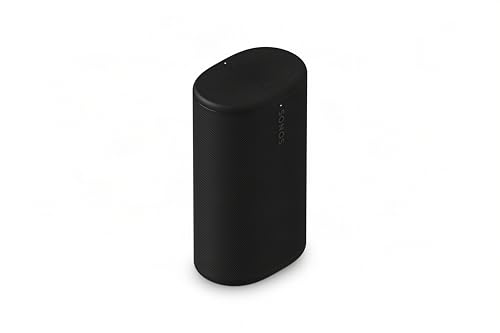
The Sonos Play redefines portable audio with its blend of massive stereo sound, deep bass, and rugged portability. Designed for music lovers who refuse to compromise on quality whether at home or on the go, this speaker shines in scenarios like beach gatherings, backyard barbecues, or even as a home office companion syncing seamlessly with your Sonos setup.
In real-world testing, it delivers consistent power without faltering, filling open spaces with rich audio that punches above its size. The IP67 protection and drop resistance make it a reliable pick for active lifestyles, while the 24-hour battery ensures it outlasts your adventures.
Targeted at audiophiles and Sonos ecosystem users seeking a mobile powerhouse, the Play excels in versatility. Its WiFi and Bluetooth dual connectivity, plus Alexa integration, add smart convenience. Overall verdict: a top-tier portable speaker that brings premium Sonos sound outdoors, earning strong recommendation for quality-focused buyers.
Sonos Play boasts seriously big stereo sound with deep, rumbling bass that anchors tracks during beach parties or tailgates. Vocals stay clear amid the low-end thump, making it ideal for genres like hip-hop, EDM, or rock where bass drives the energy.
Volume levels reach party-ready heights without distortion, even outdoors. Bluetooth streaming holds steady over typical ranges, switching effortlessly to WiFi for lossless Sonos home playback. Stability impresses during movement, perfect for active use.
This bass-heavy signature suits lifestyle listening, though it prioritizes fun over analytical detail. Expect immersive audio that elevates any gathering.
Built for the wild with IP67 waterproof and dustproof rating, Sonos Play laughs off poolside dunks, beach sand, or rainy hikes. Drop-resistant construction adds toughness, ensuring it survives daily knocks without a scratch.
Compact and take-anywhere design balances portability with substance, though its robust build gives a premium feel over ultra-light rivals. The included wireless charging base snaps it back to full in hours, ready for next use.
Battery delivers true 24-hour playback at moderate volumes, stretching further with smart power management. Quick-swap replacement batteries mean endless runtime for multi-day trips, outpacing standard portables.
How to Connect and Optimize Sonos Speakers with Peloton Equipment
The Direct Answer: Compatibility Across Different Sonos Generations
Sonos speakers can definitely connect to Peloton workout machines, but the available connection method depends on your speaker model. Current models equipped with built-in Bluetooth pair directly to the Peloton touchscreen without requiring any external hardware or complex adapters. Older units operating strictly over home Wi-Fi networks require indirect routing, such as an analog line-in connection or wireless screen mirroring to a television. Identifying the specific wireless and physical inputs on your speaker determines the simplest path toward upgrading your workout audio.
Peloton consoles operate on a modified Android platform that supports standard Bluetooth audio broadcasting alongside a 3.5 millimeter analog output. Sonos originally built its reputation around dedicated Wi-Fi network streaming managed through a dedicated controller app, which created a technical divide between the systems. Modern hardware releases have largely solved this hurdle by integrating universal Bluetooth radios and versatile USB-C line-in ports. These hardware updates allow riders to route live workout audio straight to high-fidelity speakers with minimal setup friction.
Connecting via Direct Bluetooth Pairing
Native Bluetooth pairing provides the fastest and most convenient connection path for modern Sonos hardware. Models like the Sonos Era 100, the Sonos Era 100 SL, and the portable Sonos Move 2 include a dedicated physical Bluetooth pairing button on the back panel. Pressing and holding this rear button until the front status light flashes blue puts the speaker into discoverable pairing mode. Once discovery mode is active, the speaker broadcasts its signal to nearby audio sources, making it visible to your workout console.
Pairing through your Peloton touchscreen takes only a few simple taps from the main home screen. Tap the settings menu in the upper right corner, select the Bluetooth Audio category, and allow the console to scan for nearby devices. Tapping your Sonos speaker in the device list completes the wireless connection and routes all workout sound through the external drivers. The tablet saves this profile automatically, reconnecting seamlessly whenever both pieces of equipment are powered on and nearby.
Managing nearby wireless devices helps prevent frustrating connection drops or pairing mix-ups before your ride starts. Sonos Bluetooth speakers can store multiple paired sources in memory, which may cause them to link with a smartphone instead of the bike. Turning off Bluetooth on nearby phones or disconnecting the speaker manually in your mobile settings avoids accidental signal hijacking. This simple step guarantees that your exercise console maintains uninterrupted priority throughout your training session.
Using a Wired Auxiliary Connection with Sonos Line-In
Hardwired connections deliver dependable audio playback free from wireless interference or unexpected signal dropouts. Peloton consoles include a standard 3.5 millimeter analog headphone jack on the monitor frame or handlebar assembly. Compact desktop models such as the Sonos Era 100 accept physical analog signals through a rear USB-C port when paired with a compatible line-in adapter. Running an audio cable between the tablet and the adapter creates an immediate, stable connection that never relies on local radio signals.
Activating a physical connection requires a brief initial setup within the Sonos mobile controller app. Once the physical cable connects both machines, open your Sonos app and navigate to the Line-In settings for that specific room. Enabling the Auto-Play toggle ensures that the speaker plays incoming audio automatically whenever workout video playback begins. You can also adjust the source level slider to match the output volume of your other audio sources.
Careful cable routing is essential for maintaining safety around moving gym equipment. Loose audio wires dangling near spinning pedals, crank arms, or treadmill belts create serious tripping and snagging hazards. Securing the cable along the bike frame tubes with hook-and-loop ties keeps the wire safely away from moving parts. Proper wire management prevents accidental tugs on your console ports and keeps your workout area clean and organized.
Integrating Sonos Soundbars Through Screen Casting and TV Audio
Soundbars like the Sonos Ray or Sonos Beam Gen 2 require a different connection strategy because they lack direct Bluetooth receiving capabilities. These dedicated soundbars are designed to receive audio signals from television sets via digital optical cables or HDMI eARC connections. Riders who mount a flat-screen television on the gym wall can cast the Peloton display directly to the television screen. The television then sends the workout audio track to the soundbar, creating a wide, immersive soundstage across the entire room.
Modern Peloton tablets feature built-in wireless casting support for both Miracast and Apple AirPlay protocols. Selecting the Cast Screen function in the Peloton display settings lets you mirror your ride metrics and instructor video to your television. As the video appears on the large monitor, the synchronized audio feed flows smoothly across your high-speed television audio connection. This setup bypasses the tiny built-in tablet speakers completely, providing rich musical dynamics and crystal-clear coaching callouts.
Optical and HDMI connections provide flexible installation options depending on your selected soundbar model. The Sonos Ray uses a straightforward digital optical input, making it an excellent compact choice beneath wall-mounted screens. The Sonos Beam Gen 2 utilizes HDMI eARC to support panoramic sound processing and advanced spatial audio formats. Both soundbar setups keep speaker cables mounted neatly against the wall and far away from workout floor zones.
Solving Audio Latency and Lip Sync Issues During Workouts
Wireless audio transmission can sometimes introduce slight signal latency that misaligns instructor speech with on-screen movement. Standard Bluetooth processing and digital compression buffers can cause sound to lag slightly behind the instructor pedal strokes. While minor audio delay is barely noticeable when listening to podcasts, tight synchronization is critical during rhythm cycling classes. Minimizing latency ensures your pedal cadence matches the musical beat precisely throughout intense sprint intervals.
Adjusting buffer settings inside the Sonos application provides an effective fix for noticeable audio lag when using line-in connections. Navigating to the Line-In menu allows you to set the audio delay buffer to its lowest setting of 75 milliseconds. If you route sound through a television to a soundbar, checking the TV audio delay or AV sync settings helps align picture and sound. Lowering these processing buffers keeps coaching callouts sharp and immediate during rapid resistance changes.
Periodic system restarts help eliminate temporary memory buffers that can build up during extended training sessions. Toggling the Bluetooth radio off and on inside the Peloton settings menu refreshes the active connection table. Power cycling the speaker clears its internal buffer queue and restores a fresh handshake with the exercise tablet. These quick checks prevent gradual timing drift and ensure consistent performance across long endurance rides.
Multiroom Audio Grouping and Whole-Home Workout Sound
Distributing workout audio across multiple speakers transforms a simple exercise corner into an energized training environment. Once a primary speaker like the Sonos Era 100 receives audio via Bluetooth or line-in, it can share that stream over Wi-Fi. Using the Sonos mobile app, you can easily group additional speakers located across the gym or in adjacent living spaces. Grouped speakers play the class playlist and instructor cues simultaneously, filling the entire room with balanced sound.
Robust local network performance is crucial for streaming grouped audio reliably without momentary stutters or drops. Rebroadcasting an incoming audio stream across multiple wireless speakers requires steady Wi-Fi bandwidth throughout your home. Connecting your home speakers to a dependable five-gigahertz network band helps maintain smooth data transmission during heavy workouts. A solid network foundation ensures that your training soundtrack remains steady even when running several speakers at once.
Individual room volume sliders allow you to tailor the audio balance across different workout stations. You might prefer higher vocal presence near the bike while maintaining moderate background music levels on a distant speaker. The mobile app lets you adjust each speaker volume independently without disrupting the overall master mix. This flexible control helps you maintain high motivation while keeping volume levels comfortable for everyone nearby.
Selecting the Right Sonos Model for Your Workout Space
Room layout and available surface space heavily influence which speaker design works best for your fitness setup. Compact rooms benefit greatly from desktop models like the Sonos Era 100 or Sonos Era 100 SL. These speakers feature dual angled tweeters and a dedicated midwoofer, delivering spacious stereo sound from a modest tabletop footprint. Evaluating balanced driver layouts resembles choosing stereo loudspeakers for room audio where cabinet size must match room dimensions.
Garage gyms, outdoor patios, and damp workout areas require durable enclosures built to handle challenging conditions. The portable Sonos Move 2 features a rugged IP56 weather-resistant build that withstands sweat, moisture, and dust during demanding training. Its built-in handle and generous battery life allow you to carry premium sound between indoor bike workouts and outdoor circuits. Comparing rugged options alongside portable wireless sound gear shows how protective construction preserves performance in active home environments.
Soundbars provide the cleanest audio integration for riders who mount a dedicated television display in front of their machine. The Sonos Ray offers a streamlined design that mounts neatly below screens while directing sound forward without room wall boundary interference. Larger spaces benefit from the Sonos Beam Gen 2, which produces an expansive, multidimensional soundstage with crisp vocal clarity. Selecting an appropriate form factor ensures your audio hardware complements your workout room without adding physical clutter.
Audio Settings and Calibration for Optimal Instructor Clarity
Fine-tuning audio settings ensures that vocal coaching cues cut through energetic background music tracks with ease. Peloton software provides convenient audio mix options, allowing users to select More Music, More Instructor, or Original Mix modes. Selecting the More Instructor balance alongside a slight midrange adjustment in the speaker app improves voice intelligibility significantly. Distinct vocal delivery helps you follow cadence cues and resistance adjustments without straining to interpret coaching instructions.
Room calibration tools like Sonos Trueplay optimize acoustic balance by measuring how sound reflections interact with surrounding walls. Mirrors, rubber floor mats, and metal gym equipment often create harsh acoustic reflections that muddy midrange frequencies. Running Trueplay tuning on a compatible mobile device measures these room boundaries and adjusts speaker equalization curves automatically. This digital correction produces tighter bass and smooth highs, keeping workout soundtracks pleasant even at high output levels.
Managing dynamic loudness settings helps keep overall sound consistent across varying workout intensities. The loudness feature boosts low and high frequencies at low listening levels to match natural hearing sensitivities. Disabling loudness during loud, high-intensity intervals prevents bass distortion and leaves plenty of headroom for dynamic coaching callouts. Dialing in these audio preferences creates an energizing soundstage that keeps your motivation high from start to finish.
Practical Takeaways for Peloton and Sonos Integration
Upgrading your workout audio with external speakers turns routine indoor training into an immersive studio experience. Direct Bluetooth pairing offers the quickest path for modern speakers, while line-in adapters and screen casting solve connectivity for older models and soundbars. Matching your connection method to your specific hardware layout ensures reliable operation without distracting audio delays. High-fidelity sound delivers the energetic bass and crisp vocal clarity needed to keep you motivated through difficult training blocks.
Establishing a quick pre-ride connection checklist prevents frustrating interruptions before you clip into your pedals. Confirm that your speaker is powered, check the wireless connection status, and set your baseline volume before your workout class begins. Keeping your equipment firmware updated ensures smooth compatibility and prevents unexpected pairing drops over time. With your sound setup properly dialed in, you can focus completely on your athletic goals and enjoy an energizing workout.




Write Your Review
No reviews yet. Be the first to share your experience!