


Movie soundtracks often feature dynamic soundscapes where explosive special effects can easily overpower subtle spoken conversations. Viewers frequently find themselves constantly adjusting the volume during dramatic scenes just to understand what characters are whispering on screen. Understanding %what are center channel speakers% is the first step toward solving this frustrating listening problem, as these dedicated components are specifically engineered to anchor vocal frequencies directly to the display. Adding this dedicated channel prevents voices from getting lost beneath heavy bass lines and background music tracks.
Unlike standard two-channel stereo setups that split sound between left and right channels, a multi-channel configuration assigns the bulk of on-screen dialogue and focal action to a dedicated middle unit. While listeners often compare these units to general dedicated home music speakers, center speakers serve a unique acoustic duty within surround sound environments. Integrating a properly balanced center speaker helps create a cohesive front soundstage that delivers clear dialogue and realistic directionality across your entire viewing area. This balance ensures that every viewer in the room enjoys intelligible audio regardless of where they sit.

Pros
- Exceptional vocal clarity perfect for dialogue-heavy content
- Rich low-end response adds warmth to films and shows
- Classic looks complement any living room setup
- Straightforward integration with AV receivers
- Wall-mountable for optimized positioning
Cons
- Requires separate receiver or amplifier for power
- No built-in Bluetooth or wireless connectivity
- Speaker wires sold separately
The Saiyin Center Channel Speaker is a passive audio powerhouse designed specifically for home theater enthusiasts. Featuring dual 4-inch woven fiber woofers and a silk tweeter, it excels at delivering crystal-clear dialogue that anchors your surround sound experience. Whether you're watching action-packed blockbusters or dialogue-driven dramas, this speaker ensures every word is intelligible without overpowering the rest of your system.
It's perfect for Americans upgrading their living room setups on a budget, blending classic aesthetics with modern performance. Wall-mountable and easy to position below your TV, it pairs seamlessly with most receivers or amplifiers, making it a smart addition for anyone building a dream home theater without complexity.
In real-world use, the speaker shines in mixed media playback, providing depth to soundtracks while keeping voices front and center. Its focused sound dispersion creates an immersive stage that draws you into the action. Overall verdict: A top pick for clear, engaging home audio at an unbeatable value.
Bass performance stands out with dual 4-inch woofers delivering tight, powerful lows that add warmth and impact to explosions and music in movies. This richness enhances TV shows and films without muddiness, making action scenes feel alive.
Vocal clarity is the star here, thanks to the silk tweeter in a horn design that directs crisp highs directly to your listening position. Dialogue cuts through effortlessly, even at high volumes driven by your amplifier. Volume levels scale well with quality receivers, filling medium-sized rooms with detailed, dynamic sound.
While passive, stability comes from solid wired connections, ensuring consistent performance for long movie marathons.
The Saiyin speaker boasts a classic, elegant design that fits any home decor, from modern apartments to traditional family rooms. Its compact, wall-mountable build allows flexible placement right under your TV for optimal dialogue projection.
Rugged construction handles everyday home use, with a focus on acoustic quality over portability. As a passive speaker, it requires no battery or charging, relying instead on your receiver or amplifier for endless playback without power worries.
Lightweight yet sturdy, it's easy to install and maintain, prioritizing seamless integration into your entertainment setup.

Pros
- Articulate dialogue projection eliminates muffled movie speech in multi-channel setups
- Smooth, fatigue-free highs courtesy of the horn-loaded silk dome tweeter
- Sturdy MDF cabinet with rounded corners reduces edge diffraction and vibrations
- Versatile connectivity options with heavy-duty gold-plated terminal posts
Cons
- Passive design requires an external AV receiver or multi-channel amplifier to operate
- Does not include speaker wire or wall-mounting hardware in the package
- Requires pairing with an active subwoofer for true deep cinematic sub-bass impact
In any surround sound system, the center channel speaker carries roughly seventy percent of the soundtrack, making it the primary conduit for actor dialogue, musical vocals, and forward effects. The Saiyin Center Channel Speaker is tailored specifically to anchor this critical listening zone in affordable home theaters. Built as a traditional passive loudspeaker, it is engineered to connect directly into your home AV receiver or multi-channel power amplifier.
This speaker is a practical solution for film fans and console gamers tired of straining to decipher whispered dialogue through weak television speakers. Its modest footprint allows it to slide cleanly onto standard media console shelves or mount securely to the wall right under a flat-screen television. In action scenes where explosive sound effects often drown out human voices, the acoustic tuning separates vocal frequencies cleanly, helping you catch every line without constantly reaching for the remote.
While low-bass enthusiasts will certainly want a standalone powered subwoofer for deep cinematic rumbles, the Saiyin center channel excels at its primary mission of speech intelligibility and front-stage staging. For budget-conscious movie lovers assembling a custom 3.1 or 5.1 surround sound environment, this center channel delivers reliable, balanced performance that vastly improves everyday home viewing.
Acoustic performance is anchored by a 20mm silk-dome tweeter set inside a custom wide-dispersion horn. This horn loading broadens the horizontal sweet spot, ensuring that listeners seated off-axis on the edges of the couch receive the same clear vocal presentation as those sitting dead center. The silk dome design guarantees that treble transients, such as glass breaks or high-frequency foley details, sound natural rather than bright or shrill during high-volume playback.
Handling the vocal warmth and lower midrange are two custom 5-inch woofers working in tandem with dual-tuned bass reflex ports. This driver arrangement lends authority to deeper vocal registers while mitigating low-end distortion. While it naturally relies on an external subwoofer for sub-audible room shake, the transient response remains tight and rhythmic, blending seamlessly with adjacent bookshelf or tower speakers across typical crossover points.
The cabinet is crafted from dense, furniture-grade MDF to suppress unwanted acoustic vibrations and internal standing waves that can muddy vocal clarity. Its exterior features a clean black finish accented by rounded corner edges, which not only complement modern living room furniture but also serve an acoustic function by decreasing cabinet edge diffraction.
The rear panel is equipped with sturdy, gold-plated five-way binding posts that resist oxidation and reliably accommodate heavy-gauge bare speaker wire, spade connectors, or standard banana plugs. An integrated rear keyhole mounting bracket offers straightforward wall installation beneath mounted televisions. Because this is an unpowered passive design, it demands connection to an AV receiver or power amp, giving owners full control over EQ, crossover settings, and channel levels.
Pros
- Exceptional vocal clarity for dialogue-heavy content
- Punchy bass response from tuned rear port
- Easy plug-and-play installation with any AV receiver
- Full-range sound from dual woofers and silk dome tweeter
Cons
- Requires an AV receiver for power, not standalone
- Wired connection limits placement flexibility
- Single speaker, best paired with matching surrounds

Pros
- Exceptional clarity for vocals and dialogue in movies
- High 400W peak power for room-filling volume
- Attractive brushed black finish complements home decor
- Reliable two-way driver setup for accurate sound reproduction
- Seamless match with Klipsch Reference surrounds
Cons
- Requires a powerful AV receiver to reach full potential
- Larger size may limit placement options in small rooms
- No built-in wireless connectivity
The Klipsch Reference R-25C is a two-way center channel speaker designed to anchor your home theater soundstage. It excels at delivering clear dialogue and effects, making it essential for immersive movie nights and sports viewing. With 400W peak power, it handles demanding audio without strain.
Ideal for home audio enthusiasts building a Reference series system, this speaker targets those upgrading from basic TV soundbars to true surround sound. Its brushed black polymer veneer cabinet adds a premium look to any setup.
In real-world use, it shines in living rooms, providing lifelike performances that draw you into the action. Paired with matching speakers, it creates a cohesive front soundstage.
Verdict: A solid choice for clear, powerful center channel audio that elevates home entertainment without complexity.
The R-25C offers a dynamic sound signature with punchy bass response and crisp highs from its two-way design. Vocal clarity stands out, ensuring every line in movies and shows cuts through cleanly even at high volumes.
At 400W peak power, it pushes room-filling levels effortlessly, maintaining detail during explosions or crowd scenes. Stability comes from its wired connection, delivering consistent performance without dropouts.
Best for anchoring home theater arrays, it provides balanced output that integrates seamlessly with left and right channels for a wide soundstage.
Featuring a brushed black polymer veneer cabinet, the R-25C boasts a rugged, elegant design that resists wear and blends into modern living spaces. Its solid build ensures longevity for daily home use.
Weighing in as a substantial home speaker, it prioritizes stability over portability, with no IP rating needed for indoor setups. The cabinet enhances acoustics while protecting internals.
As an AC-powered unit, it offers unlimited runtime for marathon sessions, no battery concerns or charging downtime. Perfect for always-on home theater reliability.
Pros
- Superior driver alignment for accurate sound imaging
- High-gloss finish matches modern home theater aesthetics
- Silk dome tweeter ensures fatigue-free listening
- Dynamic Balance drivers minimize distortion
- Versatile for center channel in surround setups
Cons
- Limited deep bass due to compact 2.5-inch woofers
- Requires connection to an AV receiver or amp
- Sold as single unit, best paired with matching speakers
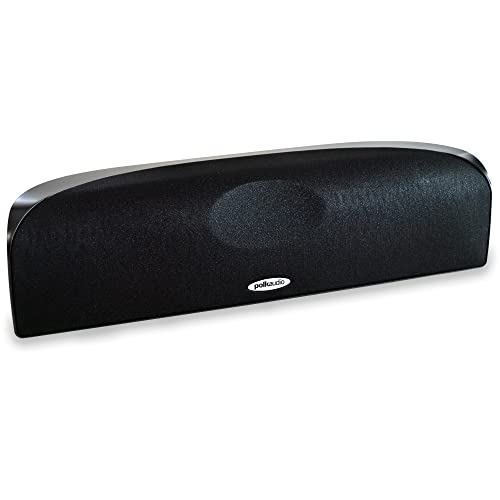
The Polk Audio TL1 is a dedicated center channel speaker designed to anchor your home theater system. It features Time Lens technology that aligns the drivers for exceptional soundstaging and imaging, ensuring dialogue and on-screen action feel precisely placed. With a 1/2-inch silk dome tweeter and dual 2-1/2-inch Dynamic Balance mids/woofers, it punches above its size in delivering clear vocals and balanced sound.
Ideal for American movie buffs and TV enthusiasts setting up affordable surround sound, the TL1 excels in living rooms where space is at a premium. It integrates smoothly into systems with Polk's other TL series speakers, creating a cohesive front soundstage for everything from Netflix binges to sports nights.
In real-world use, it shines with sharp dialogue clarity during complex scenes, making characters' voices stand out without overpowering effects. While not the deepest bass machine, its focus on mids and highs makes it a smart pick for dialogue-driven content.
Verdict: A reliable, budget-friendly center speaker that elevates home theater performance without complexity. Perfect if you want pro-level imaging on a realistic spend.
The TL1's Time Lens technology optimizes driver alignment for outstanding soundstaging, placing voices and effects exactly where they should be on screen. The silk dome tweeter handles highs with smoothness and detail, ensuring crisp dialogue that cuts through even in noisy action sequences.
Dual 2-1/2-inch Dynamic Balance mids/woofers deliver solid vocal clarity and midrange punch, ideal for movie soundtracks and TV shows. Volume levels scale well for medium rooms, maintaining composure without harshness, though it relies on your receiver for power.
Performance is wired and stable, with no dropouts, focusing on accurate imaging over raw power. Bass is tight but not booming, prioritizing clarity for home theater immersion.
The TL1 boasts a sleek, curved enclosure with a high-gloss black finish that complements today's flat-panel TVs and modern decor. Its compact footprint makes it easy to shelf-mount or place directly below your screen without dominating the setup.
Rugged enough for everyday home use, the enclosure minimizes resonances for cleaner sound. No IP rating needed indoors, but its polished build resists fingerprints and adds a premium feel to your theater.
As a passive speaker, there's no battery or charging involved; it draws power from your AV receiver for endless playback. Weight is manageable for easy positioning, focusing on style and integration over portability.
Pros
- Exceptional vocal clarity for dialogue-heavy films
- High sensitivity pairs easily with most AV receivers
- Robust 400W power handling withstands intense volumes
- Horn-loaded tweeter ensures wide sweet spot
- Spun-copper woofers provide detailed midrange punch
Cons
- Bass rolls off below 89Hz, benefits from subwoofer pairing
- Requires dedicated AV receiver for optimal performance
- Larger size demands dedicated center channel space

Pros
- Slim low-profile design prevents TV obstruction
- Hi-Res Audio Certified for detailed sound from streaming services
- Four 3-inch woofers provide impactful bass and open mid-range
- 4- and 8-Ohm compatibility works with most amplifiers
- Modern stylish look fits any living room setup
Cons
- Requires external amplifier for operation
- Not a standalone wireless speaker
- Best paired with other Polk components for full surround
The Polk Monitor XT35 is a slim center channel speaker designed for home theater enthusiasts seeking clear dialogue and dynamic sound without compromising TV visibility. With a 1-inch Terylene tweeter and four 3-inch Dynamically Balanced Woofers, it excels in delivering focused vocals and impactful bass in compact spaces.
Ideal for American families upgrading their living room audio, this speaker supports Dolby Atmos and DTS:X for cinematic immersion during movie marathons or sports viewing. Its versatility allows use as center, left, right, or surround channels, making it a cornerstone for affordable Polk home theater systems.
In real-world performance, the XT35 provides high-resolution audio from streaming services like Amazon Music HD and Tidal, ensuring open mid-range clarity. Paired with matching Polk towers and subs, it creates seamless timbre-matched soundstages perfect for weekend blockbusters.
Verdict: A smart choice for budget-conscious audiophiles wanting premium sound in a wall-mountable package that enhances everyday home entertainment.
The Polk Monitor XT35 shines with vocal clarity from its Terylene tweeter, making dialogues pop in action films and TV shows. Four 3-inch woofers deliver impactful bass and open mid-range, handling dynamic scenes without muddiness.
High-resolution sound supports Dolby Atmos and DTS:X across 4- and 8-Ohm inputs, pulling detailed audio from streaming apps. Volume levels scale well with 25-200 watt amplifiers, filling medium rooms with theater-like presence.
Performance remains stable with various sources, offering hi-res fidelity that elevates casual listening to pro-level immersion for home setups.
Slim 4-inch profile and wall-mountable brackets make the XT35 easy to place under TVs or on shelves, blending modern midnight black finish with any US home decor. Premium build ensures durability for long-term use.
No battery required; it draws power efficiently from amplifiers rated 25-200 watts per channel, staying ready for extended sessions without recharging worries.
Compact and lightweight compared to bulkier centers, it maintains IR sensor access while prioritizing acoustic performance in tight spaces.
Everything You Need to Know About Center Channel Speakers
A center channel speaker is the dedicated loudspeaker placed directly above or below a display in a surround sound system. In multi-channel audio formats like 5.1 and Dolby Atmos, sound engineers mix the audio track across discrete channels, assigning spoken dialogue and primary on-screen effects specifically to this middle speaker. Rather than forcing the left and right speakers to simulate a central voice, the center unit delivers localized audio directly from the visual display. This design ensures that speech sounds as if it originates straight from the actor’s mouth on screen.
The Essential Role in Multi-Channel Surround Sound
In surround sound film mixing, sound engineers allocate approximately sixty to seventy percent of the total soundtrack audio to the center channel. This allocation includes virtually all character dialogue, foreground sound effects, and center-focused musical elements. Left and right front speakers handle wide stereo imaging, sweeping score transitions, and panning effects that move across the screen. When a dedicated center channel is absent, those left and right channels must reproduce both atmospheric sounds and dialogue simultaneously.
Separating speech into its own physical speaker enclosure prevents dynamic sound effects from overwhelming conversational scenes. Modern cinema mixes feature wide dynamic ranges where sound designers contrast quiet whispers with sudden loud explosions. With an independent center channel, an audio processor or receiver can treat vocal frequencies independently from background soundscapes. This physical separation improves clarity and keeps viewers from needing constant volume adjustments throughout a film.
Why Stereo Setups Struggle With Movie Dialogue
Traditional two-channel stereo systems rely on an acoustic phenomenon known as a phantom center to position dialogue in the middle of a room. When an identical audio signal plays from both the left and right speakers at equal volumes, the brain perceives the sound as coming from the space between them. While this phantom effect works reasonably well when a listener sits precisely in the sweet spot between the two speakers, it quickly falls apart for anyone sitting off to the sides.
Listeners seated off-axis hear the speaker closest to them first and at a louder volume, which immediately collapses the phantom center image toward that side. As a result, dialogue appears to originate from the corner of the room rather than from the television display. A physical center channel speaker completely resolves this imaging collapse by anchoring the sound to a tangible point source. Everyone on the couch hears dialogue coming from the display, preserving realism across multiple seating positions.
Enclosure Design and Driver Arrangements
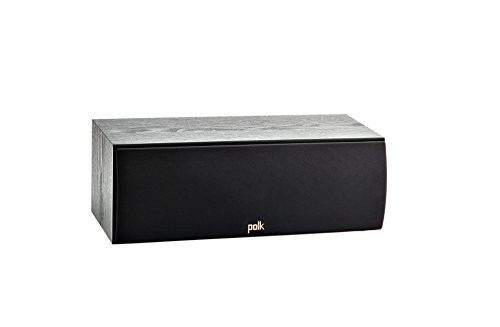
Most center channel speakers utilize a horizontal cabinet layout designed to fit comfortably on media consoles or inside equipment shelves beneath a television. The classic driver arrangement is known as an MTM configuration, which places a central tweeter between two matching mid-bass woofers. Models like the Polk Audio T30 Home Theater Center Channel Speaker exemplify this design by pairing two 5.25-inch woofers with a one-inch silk dome tweeter. This symmetrical arrangement provides wide horizontal sound dispersion while keeping the vertical height of the cabinet relatively compact.
Acoustic engineers carefully choose driver materials to balance vocal warmth and high-frequency intelligibility. For example, the Saiyin Center Channel Speaker for Home Theater utilizes dual five-inch woofers alongside a 20mm silk dome horn tweeter and dual bass reflex ports inside a dense furniture-grade cabinet. Silk dome tweeters are recognized for producing smooth, non-fatiguing high frequencies that make extended viewing sessions comfortable. Horn-loaded designs focus high frequencies forward into the listening area, increasing acoustic efficiency and vocal articulation.
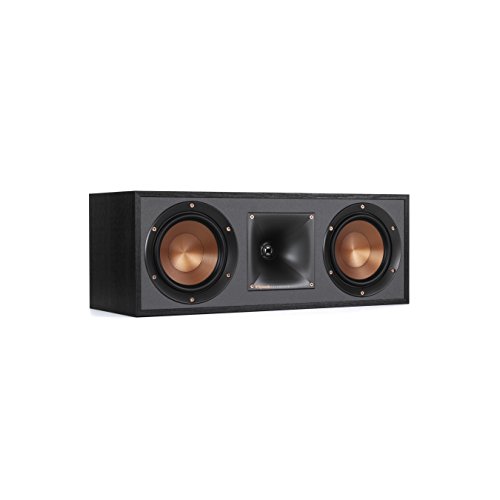
Different manufacturers approach high-frequency projection with specialized horn geometry. The Klipsch R-52C Powerful Detailed Center Channel mates a one-inch aluminum LTS tweeter to a 90×90 square Tractrix horn alongside dual 5.25-inch spun-copper woofers. This controlled-directivity horn design directs acoustic energy directly toward the listener while minimizing sound bouncing off nearby walls and ceilings. Horn loading provides clean transient response and crisp dialogue delivery, which helps subtle consonant sounds remain audible even at lower overall listening levels.
Passive Architecture and Power Amplification
Nearly all center channel speakers designed for home theaters are passive components, meaning they do not contain internal power amplifiers. Unlike powered Bluetooth speakers or all-in-one soundbars, a passive center speaker requires external amplification from an audio-video receiver or dedicated multi-channel power amplifier. The Saiyin Center Channel Speaker,Dual 4-Inch Woofers explicitly illustrates this requirement, operating as a passive unit that connects directly to receiver speaker outputs. Connecting passive speakers directly to a television without an intervening receiver or amplifier will produce no sound at all.
Signals travel from the amplifier to the speaker via standard multi-strand speaker wire, which connects through spring clips or threaded binding posts on the back of the cabinet. High-quality enclosures often feature gold-plated binding posts that resist atmospheric corrosion and accept bare wire, spade lugs, or standard banana plugs for secure contact. Ensuring proper polarity during connection is critical for clear sound reproduction. Connecting the positive amplifier terminal to the positive speaker terminal keeps the drivers moving in phase with the rest of your surround system.
Speaker Sensitivity and Impedance Compatibility
When matching a center speaker to an AV receiver, nominal impedance and sensitivity are two vital electrical specifications to evaluate. Impedance represents the electrical resistance the speaker presents to the amplifier, commonly rated at four, six, or eight ohms. While many standard home receivers operate most comfortably into eight-ohm loads, advanced models like the Polk Monitor XT35 Slim Center Channel Speaker offer broad compatibility across both four-ohm and eight-ohm amplification stages. Verifying that your receiver can safely drive your chosen speaker’s impedance prevents overheating and unexpected thermal shutdowns.
Sensitivity measures how efficiently a speaker converts electrical wattage into acoustic volume, typically expressed in decibels at one watt of power at a one-meter distance. A highly sensitive speaker, such as the Klipsch R-52C with its 95dB sensitivity rating, requires substantially less amplifier wattage to achieve cinematic listening volumes compared to less sensitive alternatives. High sensitivity allows modest entry-level receivers to deliver dynamic sound without straining their internal power supplies or introducing distortion during intense movie scenes.
Timbre Matching Across the Front Soundstage
Timbre matching refers to ensuring that all speakers across the front soundstage share identical tonal characteristics and frequency response curves. In an action movie, a vehicle or aircraft often travels across the screen from left to right, meaning its audio signature pans seamlessly through the left, center, and right speakers. If the center speaker uses radically different driver materials or crossover voicing than the side speakers, the vehicle’s engine tone will audibly change as it crosses the center. Maintaining uniform tonal balance ensures that the illusion of continuous spatial movement remains intact.
Audio manufacturers typically voice their center channel models to complement specific product lines. The Polk Audio T30, for instance, is voiced and timbre-matched to blend with other Polk T-Series bookshelf and tower speakers. Choosing a center speaker from the same manufacturer and product family as your front left and right channels provides consistent sound quality across the entire front soundfield. When setting up a system, auditioning familiar reference tracks to demo audio systems allows you to evaluate vocal tone, midrange warmth, and cross-channel continuity accurately.
Placement and Screen Alignment for Clear Vocals
The ideal position for a center channel speaker is directly on the horizontal centerline of your viewing display, positioned at ear height when seated. Because modern flat-panel televisions occupy that exact visual space, listeners must place the speaker directly below or directly above the screen. When placing the speaker below the television, position the front baffle flush with the front edge of your entertainment console or shelf. Pushing the speaker back into a shelf creates unwanted early acoustic reflections that muddy vocal frequencies.
If your entertainment console places the center speaker significantly below your seated ear level, tilting the cabinet slightly upward can dramatically improve dialogue clarity. Small rubber isolation feet, angled foam wedges, or adjustable mounting brackets can aim the high-frequency tweeter directly toward the listener’s head. Directing the tweeter toward ear level ensures that high frequencies, which are directional in nature, reach your ears without being absorbed by low tables, carpeting, or seating furniture.
Cabinet Form Factors: Slim, Compact, and Full-Sized
Center channel speakers come in various cabinet sizes to accommodate different living spaces and furniture configurations. Full-sized options like the Klipsch Reference R-25C Reference Two-Way Center feature substantial internal cabinet volume that allows woofers to deliver deeper bass extension and richer dialogue authority. However, these larger cabinets can stand six to eight inches tall, which may block the lower edge of a television or obscure its infrared remote sensor if placed directly on a tabletop stand.
Slimline designs provide a practical alternative for modern installations where space below the screen is strictly limited. The Polk Monitor XT35 features a low-profile four-inch height achieved by utilizing four compact three-inch drivers alongside a one-inch Terylene dome tweeter. This elongated, slim design slips easily beneath low-mounted displays and includes keyhole mounting slots for direct wall installation without obstructing visual sightlines. Similarly, miniature options like the Polk Audio TL1 Center Channel Speaker leverage Time Lens technology and compact 2.5-inch drivers to deliver balanced audio from an ultra-compact footprint.
AV Receiver Configuration, Crossover Points, and Calibration
Properly configuring your AV receiver’s speaker setup menu is essential for getting the best performance out of any center channel. Most modern receivers ask users to designate speakers as either large or small during initial setup. Even if your center speaker features capable five-inch woofers, setting the speaker to small is almost always the recommended practice. This setting engages a high-pass crossover filter, redirecting demanding deep bass frequencies away from the center speaker and sending them directly to your powered subwoofer.
Setting the crossover point around 80Hz is an industry-standard baseline that relieves the center speaker’s drivers from attempting to produce extreme low-frequency bass. Relieving the speaker of heavy sub-bass duties frees up electrical headroom in your amplifier and reduces cone excursion distortion, allowing the woofers to reproduce vocal midrange frequencies with pristine clarity. Utilizing your receiver’s automated acoustic calibration system can further optimize channel delays and equalize acoustic anomalies specific to your listening room.
Troubleshooting Muffled Dialogue and Acoustic Reflections
One of the most frequent complaints in home theater setups is muffled, unintelligible dialogue that requires turning the master volume up to uncomfortably loud levels. If dialogue sounds boxy or boomy, the center speaker may be positioned too close to a rear wall or trapped inside an enclosed cabinet cavity. Rear-ported speakers in particular require several inches of breathing room behind the enclosure so low-frequency air movement from the bass reflex ports does not cause muddy acoustic boundary loading.
Another common culprit behind weak dialogue is an incorrect center channel volume balance relative to the surrounding speakers. Movie tracks mixed with heavy surround and atmospheric sound can easily drown out conversations if the center channel trim is calibrated too low. Boosting the center channel level by two to three decibels in your receiver’s channel level adjustments can bring dialogue forward into the mix without altering overall soundtrack volume. While some listeners opt for compact portable sound equipment for casual listening, a dedicated surround configuration allows precise level control that single-unit speakers simply cannot match.
Selection Considerations for Your Home Theater
Selecting the right center channel speaker begins with assessing your available physical space and visual display placement. Measure the vertical clearance between the bottom of your television frame and the surface of your media furniture before purchasing any cabinet. If clearance is tight, prioritize low-profile models or units with integrated rear mounting brackets that allow clean wall attachment. Ensuring your chosen speaker fits seamlessly into your room layout eliminates awkward placement compromises that could compromise audio projection.
Beyond physical dimensions, always prioritize matching the tonal characteristics and acoustic output capabilities of your existing front left and right speakers. Pair high-efficiency horn-loaded front speakers with a matching horn-loaded center, and pair soft dome front speakers with a matching dome-equipped center unit. Balancing driver size, enclosure acoustic volume, and receiver amplification ensures your home theater delivers cohesive, lifelike dialogue and dynamic cinematic impact for years of captivating home entertainment.


Write Your Review
No reviews yet. Be the first to share your experience!