


Reviving an older media player often leads to practical questions about sound hardware and output options. Anyone holding a classic click-wheel device might wonder: do ipod classics have speakers? The direct reality is that no generation of the iPod Classic contains an internal audio speaker capable of playing music aloud. The device was engineered strictly as a personal audio player, requiring connected headphones or external sound equipment to deliver musical playback.
While listeners hear a distinct chirp or clicking noise when spinning the navigation wheel, that sound originates from a tiny internal buzzer rather than a multimedia transducer. Because this component cannot reproduce complex audio frequencies, enjoying music in a shared space requires external amplification. Connecting the player to dedicated portable speakers, vintage audio docks, or home stereo systems remains the standard method for listening to your stored library out loud.

Pros
- Exceptional audio quality surpassing other battery-powered iPod speakers
- Long-lasting rechargeable battery for uninterrupted playback sessions
- Convenient carry handle and rotating dock for seamless on-the-go use
- Aux input expands connectivity beyond just iPod/iPhone docking
- Recharges efficiently for reliable power during extended outings
Cons
- Requires Lightning to 30-pin adapter for newer iPhone models
- Lacks modern Bluetooth connectivity for wireless streaming
- Limited to docked or aux sources, no built-in streaming options
The Bose SoundDock Portable is a classic battery-powered speaker dock designed for 30-pin iPod and iPhone models, offering a premium way to enjoy your music without needing an outlet. Ideal for Apple enthusiasts who still use older devices or want a reliable portable dock for travel, office, or casual gatherings, it combines Bose's renowned audio engineering with true mobility.
In real-world use, it shines during road trips or backyard sessions where plugging in isn't an option, delivering consistent sound that fills small to medium spaces. The rotating dock ensures your device stays secure and accessible, while the aux input adds flexibility for other audio sources.
While it requires an adapter for Lightning-equipped iPhones, its build quality and battery performance make it a standout for targeted users. Overall verdict: A solid choice for vintage Apple setups seeking portable, high-fidelity sound without compromises on playtime.
Bose SoundDock Portable excels in efficient audio reproduction, providing clearer and more detailed sound than typical battery-powered iPod speakers. Vocals come through with natural clarity, and the overall signature leans toward balanced output suitable for various genres during portable sessions.
Volume levels reach room-filling heights without distortion, making it great for personal listening or small groups. While specific bass depth isn't overpowering, the design prioritizes quality over quantity, ensuring punchy lows that enhance tracks without muddiness.
Performance remains stable during docked playback, with the aux input maintaining consistent quality from external sources like MP3 players.
The sleek design features a built-in carry handle and rotating dock, making it incredibly easy to transport from home to car or outdoor spots. Its compact form factor balances portability with a sturdy feel, though it's not ruggedized for extreme conditions.
The rechargeable Li-ion battery delivers more playing time per charge than other rechargeables, supporting all-day use for weekend getaways or office marathons. Charging is straightforward and efficient, getting you back to listening quickly.
At a practical weight for handheld carrying, it prioritizes convenience for users on the move, with the dock ensuring your device stays powered and protected during playback.

Pros
- Proprietary Bose sound technology for superior room-filling audio
- Convenient remote for playlist control and dock functions
- Versatile aux input for non-Apple devices
- Sleek, updated design blends into home environments
- Reliable compatibility with classic 30-pin Apple devices
Cons
- Requires 30-pin connector or Apple adapter for newer Lightning models
- No wireless Bluetooth connectivity for modern streaming
- Stationary design needs AC power outlet, not portable
The Bose SoundDock Series II is a dedicated speaker dock designed for 30-pin iPod and iPhone models, bringing proprietary Bose audio technology to your home. It transforms everyday spaces like kitchens, bedrooms, or living rooms into vibrant listening areas with its quality sound output.
Perfect for Apple enthusiasts with older devices or those using adapters, this dock offers a sleek silver finish that complements contemporary interiors. The included remote allows easy navigation of playlists and dock controls, while the aux input adds flexibility for other audio sources such as MP3 players or portable DVDs.
In real-world use, it excels at delivering engaging sound for background music, podcasts, or casual listening sessions at home. Though not wireless, its straightforward docking ensures stable playback without pairing hassles.
Overall verdict: A solid choice for stationary home audio with classic Apple devices, offering timeless Bose quality in a stylish package.
The SoundDock Series II leverages Bose's proprietary technology to produce lively, room-filling sound with balanced tones suitable for home environments. It handles vocals clearly and maintains composure at moderate to high volumes, making it great for everyday playback.
Bass is punchy yet controlled, adding depth to music without overwhelming mids, while the overall signature emphasizes engaging listening over audiophile precision. Docked iPod/iPhone playback is seamless and stable, with the remote enabling quick track skips and volume adjustments.
Aux input performance mirrors docked quality, supporting additional sources reliably. Volume levels fill medium-sized rooms effectively, ideal for casual home use.
Featuring an updated sleeker silver styling, the SoundDock Series II boasts a premium, compact design that integrates smoothly into kitchen counters, nightstands, or living room shelves. Its build feels sturdy and home-oriented, with a focus on aesthetics over rugged portability.
No IP waterproof or dustproof rating, as it's crafted for indoor stationary use rather than outdoor adventures. Weight is substantial for stability but not backpack-friendly.
As a powered dock, it relies on AC outlet connection with no built-in battery, ensuring uninterrupted playback during plugged-in sessions without charging concerns. Ideal for fixed home setups where power access is readily available.

Pros
- Rich Bose sound signature with clear highs and solid mids
- Integrated dock charges device during playback
- Premium silver design looks sharp on any surface
- Renewed by trusted sellers for reliable quality
- Effortless connection for 30-pin Apple devices
Cons
- Limited to 30-pin iPod/iPhone models only
- No Bluetooth or modern wireless connectivity
- Requires AC power outlet, not portable
The Bose SoundDock Series II is a renewed 30-pin speaker dock designed exclusively for older iPod and iPhone models, bringing back the golden era of Apple audio docking. It combines Bose's renowned engineering with a simple dock that charges your device while delivering music through its dedicated speakers. Perfect for nostalgia-driven collectors, home audio enthusiasts, or anyone with legacy Apple gear looking to revive their setup without buying new devices.
In real-world use, it shines in cozy home environments like living rooms or desks, where you can dock your player and enjoy consistent playback. The renewed condition means it arrives tested and cleaned, performing close to original specs. Users appreciate its straightforward operation, making it a hassle-free choice for dedicated listening sessions.
While it lacks modern features, its appeal lies in reliability for specific users. If you have 30-pin devices gathering dust, this dock transforms them into a viable music source. Overall verdict: A solid 4.1-rated revival for targeted buyers, worth it for Bose sound quality in a plug-in package.
Bose's signature sound shines here with a balanced profile featuring deep bass response and clear vocals that fill small to medium rooms effortlessly. It handles a wide range of genres from podcasts to rock without muddiness, thanks to the tuned drivers optimized for docked playback.
Volume levels reach party-ready heights indoors with minimal distortion, ideal for background music during work or gatherings. The 30-pin connection ensures stable, lossless audio transfer directly from your device, outperforming basic aux cables. Range isn't an issue since it's wired docking, providing unwavering stability for hours of play.
For vintage Apple fans, it delivers the full-bodied Bose experience that made the original a hit, with punchy lows perfect for classic tracks.
The silver finish gives a premium, timeless look that fits seamlessly on nightstands, desks, or media consoles. Its compact dock design keeps your iPod/iPhone elevated and accessible, with a sturdy build that withstands regular docking without wobbling. At around desk-friendly size, it's not backpack portable but excels in stationary home spots.
No built-in battery means it relies on AC power for endless playback, eliminating recharge worries during long sessions. Charging passes through the dock to your device efficiently, keeping it powered while music plays. Renewed units maintain the original durable construction, resistant to everyday scratches and dust in indoor settings.
Overall, the design prioritizes elegance and function for home use, with no IP ratings needed for its plug-in lifestyle.
Understanding iPod Classic Audio Output and External Speaker Options
The iPod Classic family spans multiple hardware revisions, beginning with the original mechanical scroll-wheel model introduced in late 2001 and culminating in the final sixth-generation aluminum-faced revision discontinued in 2014. Throughout that entire production run, the engineering philosophy prioritized battery longevity, hard drive isolation, and personal headphone listening. Clarifying how the player handles sound output helps owners select the most effective hardware for room-filling audio.
The Definitive Hardware Architecture: Why There Is No Built-In Audio Speaker
Apple designed the internal chassis of the iPod Classic with exceptionally tight tolerances. The internal layout accommodated a 1.8-inch spinning hard drive, a lithium-ion battery cell, a logic board, and a display assembly. Installing a dynamic speaker cone capable of producing audible musical frequencies would have consumed valuable internal volume, weakened battery performance, and introduced magnetic interference near the sensitive storage drive.
Confusion regarding do ipod classics have speakers frequently arises because later consumer handhelds, such as the iPod Touch series starting from the second generation, featured integrated speakers behind their casing. Similarly, the fifth-generation iPod Nano included a diminutive speaker designed for previewing video recordings. The iPod Classic never adopted these additions, remaining strictly dependent on its analog output ports for all audio signals.
Because the hardware lacks an output transducer, the digital-to-analog converter chips route audio data only to physical connection interfaces. These interfaces consist of the top-mounted 3.5mm stereo minijack and the bottom-mounted 30-pin proprietary dock connector. If an iPod Classic is sitting on a desk without an external connection, it is completely incapable of projecting speech, podcasts, or music tracks into a room.
The Piezoelectric Clicker: Function and Technical Limitations
Users who hear audible clicks during menu navigation often assume an internal speaker exists. That sound is produced by a miniature piezoelectric element mounted directly to the player casing or internal frame. A piezo beeper operates by applying an electrical charge to ceramic material, which rapidly flexes and produces a sharp mechanical snap or pulse.
This piezoelectric buzzer is fundamentally different from a dynamic speaker driver. It lacks the magnetic voice coil, suspension surround, and flexible paper or polymer diaphragm necessary to track complex musical waveforms across a broad frequency spectrum. It functions purely as a tactile acoustic indicator, providing auditory confirmation that the touch-sensitive wheel has registered user input.
Apple gave users control over this behavior in the device settings menu. Navigating to the settings screen allows the listener to route clicker sounds through the internal buzzer, through the connected headphones, through both simultaneously, or turn the sound off entirely. Even when set to maximum volume, the piezo buzzer cannot be repurposed to output vocal or musical tracks.
Audio Output Pathways: 3.5mm Headphone Jack Versus the 30-Pin Dock Connector
Connecting an iPod Classic to an external speaker system involves choosing between two distinct analog audio paths. The most common route is the top 3.5mm headphone jack, which passes the audio signal through the player internal headphone amplifier circuit. This pathway allows the listener to adjust output gain using the physical click wheel on the front of the unit.
The second option uses the 30-pin dock connector located on the bottom edge of the device. Pins 3 and 4 of the standard 30-pin layout output a fixed, unamplified line-level stereo signal that bypasses the internal headphone amp. Taking a line-level feed directly to powered speakers or a receiver generally results in a cleaner audio profile with lower background hiss, avoiding the distortion associated with running two amplifier stages in series.
When connecting the headphone port to a speaker auxiliary input, setting the iPod volume around seventy to eighty percent prevents input clipping while maintaining an adequate signal-to-noise ratio. Using a dedicated 30-pin dock eliminates this balance requirement entirely, allowing the external speaker system or amplifier to handle all volume scaling with optimal headroom.
Dedicated 30-Pin Speaker Docks and the Legacy of the Bose SoundDock
During the height of click-wheel popularity, manufacturers created dedicated powered speaker docks specifically tailored to the physical dimensions and electrical pinout of the iPod. The Bose SoundDock Series II stands out as one of the most prominent examples of this category. Designed for tabletop listening, it features an integrated 30-pin cradle that seats the iPod Classic securely while channeling the line-level audio feed into its internal amplifier and acoustic drivers.
Another iteration, the Bose SoundDock Portable, added a rechargeable lithium-ion battery pack and a rotating dock mechanism for transportability. This portable configuration allowed listeners to take their complete hard-drive music library outdoors or into different rooms without trailing power cables. Both models included an auxiliary 3.5mm input on the rear chassis, permitting connection to alternative audio players, portable disc units, or modern streaming adapters.
Dedicated docks also offered remote control integration. The included infrared remotes sent control signals through the 30-pin bus, enabling listeners to play, pause, skip tracks, and navigate playlists from across the room. For users seeking room-filling sound with minimal setup effort, a refurbished or pre-owned 30-pin dock remains one of the simplest plug-and-play methods available.
Modern listeners with newer source devices should note that using an Apple Lightning to 30-pin adapter can adapt these vintage docks to later iPhone and iPod models. However, when paired directly with an authentic iPod Classic, no adapter is required, making the connection seamless and mechanically stable.
FireWire Versus USB Charging Pins: A Critical Hardware Distinction
When pairing an iPod Classic with an external speaker dock, power delivery compatibility requires careful attention. Early generations of the iPod relied on a 12-volt FireWire standard for battery charging, utilizing pins 19 and 20 of the dock interface. Starting with the fifth-generation iPod video and continuing through the sixth and seventh-generation iPod Classic models, Apple shifted power architecture to 5-volt USB charging across pins 25 and 27.
Original first-generation Bose SoundDock units only supplied 12-volt FireWire charging power through the dock connector. If a listener seats a late-model iPod Classic into an original SoundDock, the speaker will successfully play the music stream, but the iPod screen will display a message stating that charging is not supported with this accessory. The player battery will slowly drain while music plays.
The Bose SoundDock Series II and SoundDock Portable resolved this issue by implementing standard 5-volt USB charging pins. These newer docks charge the iPod Classic internal battery while simultaneously playing audio. Owners of older speaker docks who wish to charge modern Classic units can purchase small in-line 12V-to-5V charge converter adapters that sit directly between the player and the dock connector.
Connecting to Modern Wireless Speakers via Bluetooth Transmitters
Because the iPod Classic was engineered before wireless audio became standard, it does not include internal Bluetooth or Wi-Fi radios. Integrating a click-wheel player with modern wireless Bluetooth speakers requires an external transmitter dongle. These aftermarket accessories plug into either the 3.5mm headphone jack or the 30-pin dock connector, converting analog output into a digital wireless stream.
Transmitters that connect to the 30-pin port draw their small operating current directly from the iPod battery, creating a compact and streamlined profile without extra charging cords. However, this power drain decreases total playback run time between device recharges. Units that attach via the 3.5mm jack typically house their own internal rechargeable batteries, preventing extra load on the iPod but requiring separate charging cables.
Listeners adopting wireless transmitters should be mindful of audio latency and codec compatibility. Basic transmitters communicate using the standard SBC audio codec, which is adequate for casual music listening but may introduce slight signal compression. For high-resolution listening in home setups, pairing the iPod Classic with powered stereo speaker systems via hardwired cables provides superior dynamic range and eliminates wireless pairing dropouts.
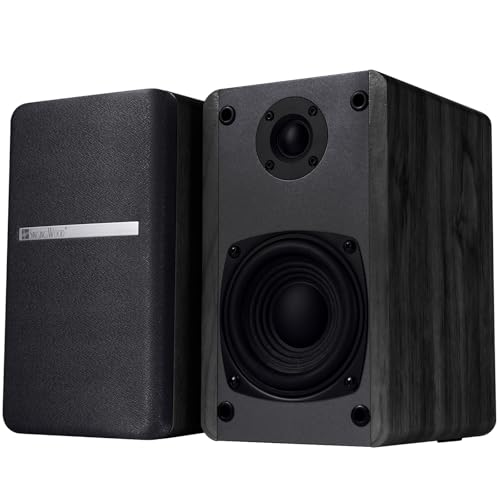
Hardwired connections also prevent the frustration of managing wireless handshakes on a device without a modern touchscreen or pairing interface. A simple 3.5mm-to-RCA cable running into an existing bookshelf speaker or amplifier input bypasses all transmission latency, delivering clean, reliable playback instantly.
Diagnosing and Troubleshooting Output Problems on Legacy Players
When an iPod Classic fails to deliver sound to connected speakers, the problem usually stems from physical connection issues rather than digital system faults. Over years of use, lint and dust easily collect inside the deep 3.5mm headphone cavity, preventing the connector tip from seating fully against the interior copper terminals. Gently clearing debris with a wooden toothpick or compressed air often restores clean stereo playback.
Corrosion or surface oxidation on the thirty miniature gold contacts of the dock connector can also interrupt audio channels. If an external dock fails to register sound from the left or right channel, inspecting the 30-pin socket under bright light is recommended. Cleaning the pins using a micro-applicator lightly dampened with high-percentage isopropyl alcohol will strip away non-conductive residue without damaging the internal logic board.
Unexpectedly low volume levels can sometimes be traced to firmware configurations rather than speaker defects. iPod models originally sold in European Union territories incorporated a mandatory hardware or software volume restriction cap to comply with regional sound exposure regulations. Checking the volume limit setting within the settings menu and unlocking any user-defined limit slider ensures the player delivers its maximum line voltage to external audio equipment.
Essential Setup Guidelines for Room-Filling iPod Playback
Listeners building a retro music station around an iPod Classic can maximize audio fidelity with a few simple configuration habits. When running audio through standard auxiliary cords, keeping the iPod volume around seventy-five percent prevents the headphone circuit from pushing distortion into the external speaker amplifier. Setting the on-board equalizer profile to flat or off ensures that the speaker receives a natural sound balance, allowing the external system tone controls to shape bass and treble accurately.
For listeners prioritizing simplicity and authentic period styling, selecting a dedicated dock such as the Bose SoundDock Series II or Portable provides balanced acoustic drivers and matched amplification in a single footprint. These docks eliminate messy cable runs, charge the internal player battery, and provide convenient remote control access for everyday room listening.
Ultimately, while an iPod Classic lacks built-in speakers, its high-capacity storage drive and quality internal digital converters make it an exceptional source for home and outdoor sound systems. Choosing between a vintage 30-pin dock, a hardwired stereo connection, or a modern wireless transmitter depends entirely on your listening environment and preferred balance of convenience, fidelity, and mobility.


Write Your Review
No reviews yet. Be the first to share your experience!