


Reliable Transport Protection for Sound Equipment
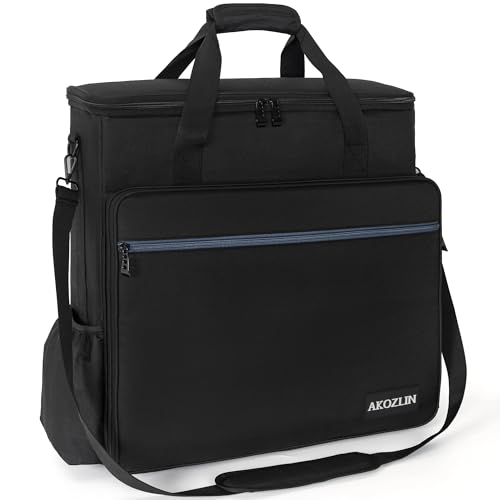
Transporting audio gear between practice spaces and live events creates serious risks for delicate mixing consoles, sensitive faders, and auxiliary outputs. A sudden jolt in the trunk can bend potentiometer shafts or crack connection ports before your sound check even begins. Investing in dependable mixer speaker cases shields your central audio hub from routine bumps, dust, and sudden drops. High-density foam inserts and rugged nylon shells absorb physical impacts so your board arrives ready to perform. Whether you pack a compact podcast console or a multi-channel soundboard, dedicated luggage prevents costly hardware repairs.
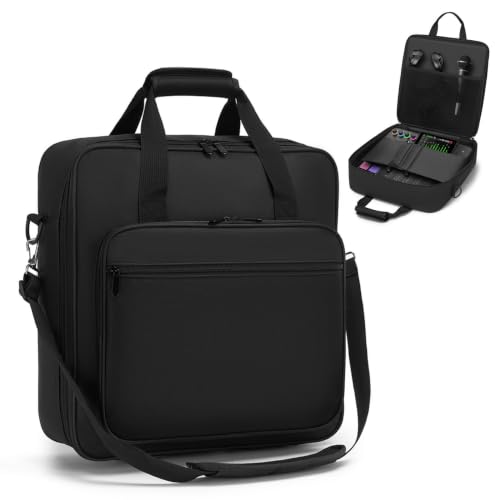
Proper gear organization also streamlines the entire stage configuration process. Many padded gig bags include separate accessory compartments for power supplies, patch cords, and microphones needed when configuring a dual speaker setup for live performance. Securing your mixing board alongside essential signal lines eliminates missing cables and protects sensitive components from friction. Heavy-duty handles and reinforced shoulder straps make moving heavy audio hardware between venues much more manageable. Selecting the right enclosure ensures your control station remains clean and fully operational wherever you perform.




Frequently Asked Questions
How do you choose the right size case for an audio mixer?
Measure your mixer dimensions carefully before selecting an enclosure. Check the width, length, and height against the internal specifications of candidate mixer speaker cases. Leaving a half-inch margin allows easy placement while ensuring interior padding prevents the console from shifting during transit. If you carry power adapters or extra patch cables, verify that the bag offers dedicated exterior pockets.
What is the difference between a hard shell case and a padded gig bag?
Hard shell cases provide rigid impact protection while padded gig bags offer lightweight convenience. Composite plastic cases feature dense EVA foam barriers that shield large consoles from heavy drops and luggage stacking. Soft nylon gig bags use foam cushioning ranging from 0.4 inches to 10mm, which prevents surface abrasions and minor bumps while keeping travel light. Your choice depends on whether you transport gear in packed tour vans or carry equipment by hand to local gigs.
Can a mixer case hold microphones and audio cables as well?
Yes, many dedicated transport bags include compartments specifically designed for audio accessories. Certain models feature removable partitions and elastic loops to keep microphones, USB cables, and power adapters separate from the main console. Maintaining separation between metal microphone bodies and the mixer faceplate prevents scratch damage during travel. This organized storage is especially practical when setting up Pyle and Rockville sound system configurations on short notice.
Do soft mixer gig bags protect sensitive faders and knobs?
Padded bags protect controls against standard scuffs and minor surface contact. High-density sponge linings and tricot interiors reduce direct friction across knobs and faders while dampening light bumps. However, soft bags cannot withstand heavy gear stacked directly on top of the control surface. For travel in packed equipment trailers, rigid hard cases offer far better crush resistance for delicate sliders.
Are mixer bags suitable for mobile PA and outdoor speaker setups in 2026?
Padded transport bags work well for mobile live audio and outdoor events in 2026. Durable polyester and nylon exteriors resist dust, dirt, and minor moisture encountered when loading sound gear outside. Many designs include trolley straps and shoulder pads to simplify moving your audio nerve center alongside an outdoor Bluetooth speaker with subwoofer or PA rig. Always verify that zippers and seams are fully closed to shield internal electronics from ambient debris.



Write Your Review
No reviews yet. Be the first to share your experience!