
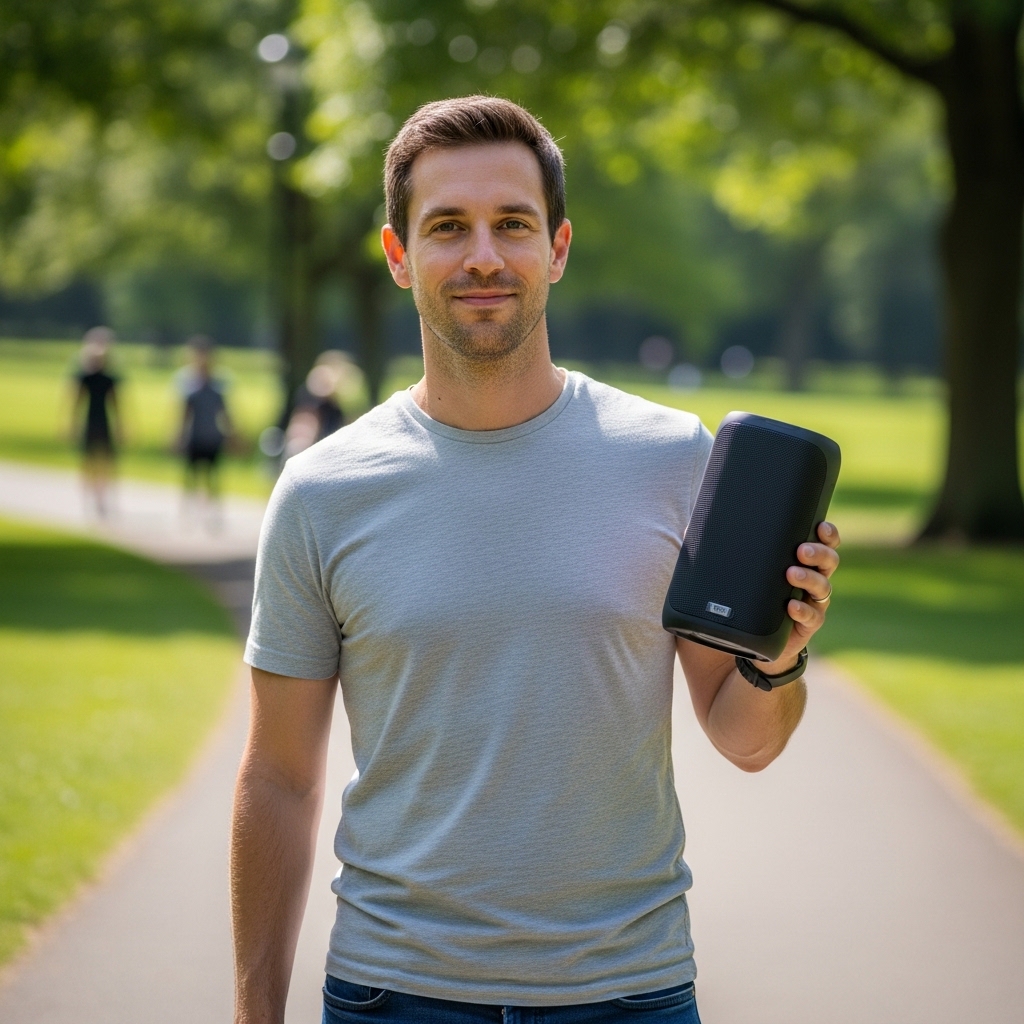

Many console gamers unpack their new PlayStation 5 only to realize that their favorite desktop sound system has nowhere to plug in directly. Sony removed the dedicated optical audio port found on earlier hardware generations, leaving players wondering about %how to connect speakers to ps5% without sacrificing fidelity. Most dedicated gaming monitors lack capable internal drivers, which makes finding an alternative route for external sound essential for clear dialogue and immersive effects. Modern players frequently rely on powered desktop monitors or portable Bluetooth speaker models to improve their listening environment. Establishing a dependable connection requires understanding which audio ports, USB adapters, and display pass-through methods deliver clean sound with minimal latency.
Connecting external audio gear involves several workable pathways, ranging from basic monitor pass-through cables to dedicated USB audio transmitters and HDMI extractors. Each approach offers distinct advantages depending on whether your setup utilizes active studio monitors, stereo bookshelf units, or wireless audio devices. Hardware limitations on the console restrict standard Bluetooth pairing to official peripherals, meaning wireless audio demands specialized transmitters to function properly. Audio delay can ruin fast-paced gaming, so choosing the right adapter and configuring the console output settings correctly will keep dialogue and sound effects aligned. This guide explains every viable setup method, highlights essential hardware accessories, and outlines the exact menu adjustments needed for crisp, responsive console audio.

Pros
- Sub-60ms audio response eliminates perceptible lip-sync lag during fast-paced gaming and movies.
- Seamless driver-free pairing with external speakers, soundbars, and wireless headphones.
- Advanced Bluetooth 5.3 connectivity resists interference across an expansive 33-foot radius.
- Direct USB power means zero battery degradation and unlimited continuous operation.
Cons
- Transmits audio only and cannot be used for wireless data transfers, mice, or game controllers.
- Requires aptX-enabled receiving speakers or headphones to unlock the lowest latency speeds.
- Allows only one microphone active at a time between the 3.5mm accessory and an external headset.
The UGREEN Bluetooth 5.3 Audio Transmitter CM668 solves one of modern gaming's biggest headaches: getting high-quality wireless sound out of platforms that lack native audio support. Designed to bridge the gap between your PlayStation 5, PlayStation 4, Nintendo Switch, or desktop computer and your favorite wireless speaker system, this pocket-sized dongle delivers broadcast-quality streaming without complicated setup hurdles.
Targeted squarely at gamers, home theater enthusiasts, and desktop remote workers, this transmitter eliminates the clutter of audio cables. Setup requires zero software or driver downloads. Simply plug the dongle into an available USB port, activate pairing mode on your soundbar, desktop speaker, or wireless headset, and the hardware links automatically in seconds. An included 3.5mm controller microphone ensures you maintain crisp communication with teammates without sacrificing your wireless audio feed.
In everyday use, the transmitter shines by supporting both aptX Adaptive and aptX HD codecs. This drastically reduces the audio latency to under 60 milliseconds, which is nearly four times faster than standard Bluetooth streaming. Whether you are pinpointing enemy footsteps in a competitive shooter or streaming an action-packed movie, dialogue and explosions hit your ears in absolute sync with on-screen action.
Ultimately, the UGREEN CM668 is an essential, budget-friendly accessory for anyone wanting to unleash the full potential of their wireless sound gear on gaming consoles or work stations. It combines dependable connection strength, lossless acoustic delivery, and seamless multi-platform usability into an exceptionally reliable package.
Equipped with advanced aptX HD and aptX Adaptive decoding, this transmitter preserves full dynamic frequency range when beaming audio to an external speaker. Bass response remains punchy and tight without becoming muddy, while mid-frequency vocals and high-end treble cues retain remarkable definition. Soundscapes come alive with expansive separation, giving your soundbar or desktop speaker setup the detailed clarity usually reserved for direct wired connections.
Performance stability is anchored by the latest Bluetooth 5.3 chipset, which significantly minimizes signal interference and drops. You get a steady wireless reach of up to 33 feet, allowing you to walk across the living room or grab a drink from the kitchen without your speaker stuttering or disconnecting. With low-latency transmission below 60ms, the notorious lip-sync delay common in budget adapters is completely resolved.
Weighing a mere 0.02 pounds and measuring barely an inch in length, the adapter sports an ultra-compact, low-profile footprint. The durable matte housing resists scratches and sits flush against the front of your console or computer, avoiding interference with neighboring USB ports. Its sturdy build makes it an easy piece of gear to slip into a travel case alongside your Nintendo Switch or gaming laptop.
Because the unit relies on direct USB bus power, there are no internal rechargeable batteries to monitor, charge, or replace over time. It provides truly limitless playback endurance, drawing negligible current from the host device while powering through weekend gaming marathons, all-day work calls, and late-night movie binges without ever shutting down.
Methods and Setup Steps for Connecting Speakers to a PS5
Finding the right method for %how to connect speakers to ps5% depends largely on your display type, your speaker inputs, and whether you prefer wired or wireless transmission. Because the console does not feature traditional analog or optical audio outputs on its rear panel, players must route sound through intermediate devices or convert digital signals via USB. Each configuration carries unique considerations regarding audio latency, signal purity, and cable management. Understanding your available hardware options ensures you achieve balanced, dynamic sound without introducing frustrating delays during gameplay.
Understanding PS5 Audio Hardware Limitations
The physical port selection on the PlayStation 5 marks a significant shift from previous console generations. Examining the rear chassis reveals an HDMI 2.1 output, two high-speed USB-A ports, an Ethernet jack, and an AC power input. Sony intentionally omitted the dedicated optical digital audio output that was standard on the PlayStation 4 and PlayStation 4 Pro. Analog 3.5mm stereo outputs are also absent from both the front and rear panels of the console chassis.
This streamlined port architecture stems from modern audio engineering priorities that favor single-cable digital solutions. HDMI 2.1 delivers massive bandwidth capable of transmitting uncompressed multichannel audio alongside high-resolution video streams. Sony designed its proprietary Tempest 3D AudioTech engine to deliver spatial sound directly through HDMI streams and USB audio interfaces. While this design benefits modern televisions and eARC soundbars, it complicates connections for older desktop speakers and legacy home theater receivers.
Wireless connectivity presents another common obstacle for console owners attempting to use cord-free speakers. The internal Bluetooth module of the console pairs exclusively with input devices such as DualSense controllers, media remotes, and officially certified wireless headsets. Generic Bluetooth speakers cannot pair directly through the native Bluetooth accessories menu of the system software. Gamers must therefore use external audio transmitters or wired adapters to bridge the gap between the console and their sound systems.
Method 1: Display and TV Audio Pass-Through
The simplest and most common way to route audio to external speakers is through your television or computer monitor. An HDMI cable transmits both video data and high-definition audio from the console directly into the display input. Once the sound reaches your screen, the internal circuitry routes that audio signal out through dedicated audio output jacks. This technique requires no specialized converters between the console and the screen, keeping cable clutter relatively low.
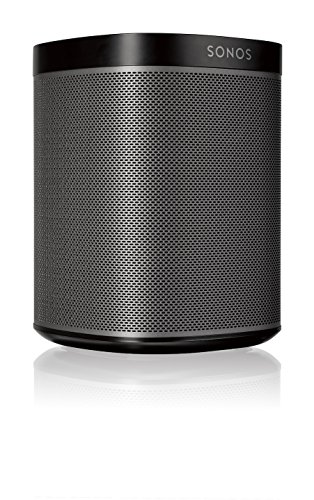
Many gaming monitors include a 3.5mm headphone audio output jack located on the rear or underside connection bay. You can connect a standard 3.5mm auxiliary cable or a 3.5mm-to-RCA splitter cable from that monitor port into the inputs of active desktop speakers. Television screens often provide both a 3.5mm analog output and an optical digital port for broader speaker compatibility. Connecting through the optical port of a television allows soundbars and stereo receivers to receive clean digital audio with zero console load.
Modern smart televisions equipped with HDMI eARC or ARC connections provide an even more capable audio conduit. Connecting an eARC-enabled soundbar or AV receiver to the designated television port allows full-bandwidth surround sound transmission. The console feeds audio to the TV, which then passes pristine digital streams to your sound system seamlessly. This method preserves automatic volume control through the television remote via HDMI-CEC functionality.
Display pass-through does have potential performance drawbacks that critical listeners should keep in mind. Budget gaming monitors frequently incorporate inexpensive digital-to-analog converters that can introduce subtle electrical hiss or compressed dynamics into analog audio. Some monitors also fail to process audio when sleep modes engage, causing speakers to pop or lose signal unexpectedly. If audio clarity suffers through monitor pass-through, a direct USB or extractor connection provides a cleaner alternative.
Method 2: Connecting Powered Speakers via USB Audio
The USB ports on the console offer a reliable method for routing clean, direct audio to external sound systems. The operating system natively supports USB Audio Class 1 hardware, allowing plug-and-play operation without manual driver installation. Powered desktop speakers that feature an integrated USB DAC can connect directly to one of the console USB ports using a standard USB-A or USB-C cable. The console identifies the external speaker hardware as a primary output device within seconds of plugging it in.
External USB digital-to-analog converters and compact desktop sound cards expand connection possibilities for traditional analog speakers. Connecting a compliant USB DAC to the console provides high-grade RCA line outputs or 3.5mm stereo jacks that plug straight into active speakers. Gamers configuring dedicated 2.1 speaker systems often prefer external DACs because they deliver cleaner signal separation and lower noise floors than monitor headphone jacks. This configuration completely bypasses the monitor processing hardware to deliver uncolored stereo audio directly from the game engine.
Volume control and output configuration require slight attention when employing USB audio interfaces. While some powered USB speakers retain physical volume knobs on their enclosures, the console software also provides a master output volume slider. Setting the console slider to an appropriate middle level prevents digital clipping and gives your speaker amplifier adequate headroom. In addition, using the rear USB-A ports helps keep front-facing cables tidy and prevents accidental disconnections during intense gaming sessions.
Method 3: Using a Dedicated USB Bluetooth Audio Transmitter
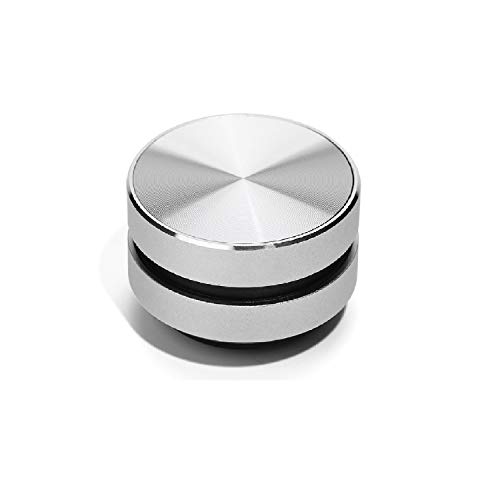
Connecting wireless speakers to the console requires circumventing the native Bluetooth limitations enforced by the operating system. A dedicated USB audio transmitter plugs into the console and tricks the system into seeing a standard wired USB audio card. The adapter then converts that digital audio stream into a wireless Bluetooth signal broadcast directly to your paired speaker. This allows players to use wireless soundbars, portable speakers, or wireless desk speakers without needing a smart television.
The UGREEN Bluetooth 5.3 Adapter for PS4 PS5 APTX USB serves as an ideal example of hardware designed specifically for this purpose. Operating on Bluetooth 5.3 BR+EDR technology, this compact transmitter provides stable wireless connectivity up to 33 feet away from the console. The device is fully plug-and-play, eliminating software setup hurdles by automatically negotiating the audio stream upon insertion. The manufacturer specifies compatibility with PS5, PS4, Nintendo Switch, and PC platforms, operating purely as an audio transmitter rather than a data transfer device.
Audio latency represents the most critical factor when using wireless connections for interactive gaming. Standard Bluetooth connections generally suffer from roughly 220 milliseconds of latency, which causes weapon sounds and character dialogue to lag noticeably behind on-screen actions. The UGREEN adapter supports advanced audio codecs including aptX Adaptive, aptX HD, aptX, and standard SBC. When paired with aptX Adaptive equipment, the transmitter reduces audio lag to under 60 milliseconds, keeping audio and visual elements practically synchronized.
Voice communication and multiplayer chat also receive dedicated accommodation with this transmitter design. The package includes an independent 3.5mm microphone designed to plug straight into the DualSense controller audio port. Alternatively, users pairing compatible headsets can switch between talk and audio modes using the integrated multi-function button. Pairing this hardware with standalone Bluetooth speakers creates a streamlined, wire-free desk setup suitable for casual gaming and cinematic playback.
Method 4: Utilizing an HDMI Audio Extractor
An HDMI audio extractor is an external hardware device that separates digital sound from the video signal along the HDMI pathway. The console connects to the extractor HDMI input via an HDMI cable, while a second HDMI cable carries video from the extractor to your screen. The extractor then routes extracted audio through dedicated optical TOSLINK, coaxial digital, or 3.5mm analog outputs on its own chassis. This arrangement restores the optical connectivity that was eliminated when Sony transitioned away from previous console designs.
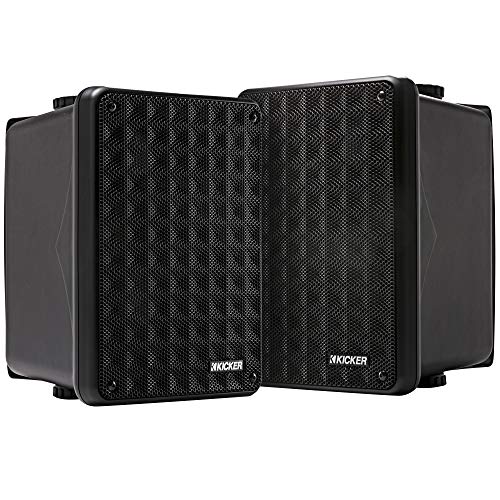
This hardware solution is especially beneficial for players who own high-end optical soundbars or vintage stereo amplifiers lacking HDMI inputs. High-performance active bookshelf speakers often accept optical digital inputs, which deliver crisp sound completely isolated from computer monitor electrical noise. Because the audio splits before reaching the display, screen settings and power states will not interrupt your sound stream. You can even listen to game audio or console music streaming apps with your monitor powered down.
Video bandwidth specifications represent a crucial technical factor when selecting an HDMI audio extractor. Standard HDMI 2.0 extractors support 4K resolution capped at 60Hz, which works well for standard monitors but limits modern display capabilities. Gamers who utilize 4K displays operating at 120Hz with Variable Refresh Rate must purchase an extractor rated for full HDMI 2.1 throughput. Using an under-specified extractor in the signal chain will force the console to lower its refresh rate and disable advanced visual features.
Method 5: Connecting to an AV Receiver or Surround Sound System
Home theater enthusiasts with multichannel speaker systems can route console audio directly through a modern AV receiver. In this configuration, the console connects to one of the receiver HDMI inputs, while the receiver HDMI output connects to the television or projector. The receiver processes the multichannel audio stream internally to power passive bookshelf, tower, and surround speakers. Video signals pass cleanly through the receiver video processor to the display with minimal signal degradation.
Configuring the audio output format correctly inside the console menu is essential for optimal multichannel surround sound performance. Linear PCM provides uncompressed audio data directly from the game engine and delivers the lowest latency with maximum dynamic range. If your receiver connects via older optical connections or ARC pass-through, selecting Dolby Audio or DTS Bitstream provides compressed multichannel encoding. Linear PCM remains the preferred option for direct HDMI connections because it avoids redundant audio compression cycles.
Proper physical speaker placement enhances the spatial immersion that modern game developers design into their audio tracks. Front left and right speakers should sit at ear level and form an equilateral triangle with your primary seating position. A dedicated center channel speaker ensures spoken dialogue remains intelligible even during loud explosions and background music swells. Running the receiver room calibration software balances speaker levels and compensates for natural acoustic reflections in your room.
Method 6: The DualSense Controller 3.5mm Jack as a Quick Workaround
The DualSense wireless controller provides a built-in 3.5mm stereo output jack primarily intended for gaming headsets and earbuds. Players can run a standard 3.5mm auxiliary cable directly from this controller jack into the auxiliary input of any powered speaker. The console instantly recognizes the connected cable and routes all game audio through the handheld controller. This approach requires no additional adapters, making it an accessible immediate solution when other hardware is unavailable.
Physical convenience represents the primary drawback of using the controller as an audio conduit for external speakers. Having an auxiliary cable physically tethered between a stationary speaker system and a moving handheld controller can feel awkward. Rapid controller movements during gameplay can tug on the cable, potentially damaging the controller audio port or tipping over desk speakers. Cable length also limits how far you can comfortably sit away from your sound system.
Audio fidelity and battery longevity also face notable compromises when utilizing this connection method. Transmitting continuous game audio wirelessly from the console to the controller consumes battery power at an accelerated rate. Furthermore, the internal digital-to-analog converter inside the controller is optimized for low-power headphones rather than driving high-fidelity speaker systems. While suitable for quick troubleshooting, permanent setups benefit substantially from dedicated USB or display audio routes.
Step-by-Step PS5 Audio Settings Configuration
Establishing the physical cable connection is only the first part of achieving balanced console sound. Navigate to the gear icon in the top right corner of the home screen to open the system Settings menu. Select Sound from the options list, then choose Audio Output to access all audio routing and device settings. Confirm that the Output Device reflects your chosen connection, whether that indicates an HDMI device, USB headset, or external USB DAC.
When routing audio through an HDMI connection, you must specify the exact HDMI Device Type to match your speaker setup. Choosing TV sets output to standard two-channel stereo, while choosing AV Amplifier unlocks manual channel configuration for 2.0, 5.1, or 7.1 speaker layouts. Selecting Soundbar applies tailored equalization suited for all-in-one speaker enclosures placed directly beneath a screen. Specifying the correct device type ensures the sound engine distributes audio channels accurately across your speaker array.
Managing the automatic device switching setting prevents unexpected disruptions during your gaming sessions. By default, the console enables Switch Output Device Automatically, which diverts sound to any newly detected USB accessory. If you plug in a charging cable or attach a USB microphone mid-game, audio can suddenly drop from your external speakers. Disabling this automated toggle ensures your sound output remains locked to your preferred speakers until you choose to change it manually.
The console also includes a dedicated 3D Audio for TV Speakers calibration tool within the sound menu. This feature uses the built-in microphone on your DualSense controller to measure acoustic reflections inside your gaming room. Emitting test tones through your speakers allows the console to adjust spatial filters to match your room dimensions. Calibrating this feature can enhance front-stage separation and dialogue clarity when using compact desktop stereo speakers.
Diagnosing Common PS5 Speaker Connection Issues and Latency
Troubleshooting audio problems begins with identifying whether the issue originates from hardware connections, settings, or signal latency. Audio delay is a common frustration when using Bluetooth transmitters that lack low-latency codec compatibility. If sound effects lag behind on-screen actions, check whether your speaker supports aptX Adaptive or aptX Low Latency. If the receiving speaker only supports standard SBC, switching to a wired 3.5mm or USB connection is necessary to eliminate delay.
Electrical noise, hum, and buzzing sounds frequently plague analog 3.5mm connections in gaming desk setups. A ground loop occurs when your powered speakers and your console share the same electrical ground path through power strips and audio cables. Installing an inexpensive ground loop isolator along the 3.5mm audio line filters out electrical current fluctuations without degrading sound quality. Ensuring audio cables do not run parallel to high-draw AC power cords also minimizes electromagnetic interference.
A sudden lack of audio output usually points to an incorrect output device selection or muted software volume. Open the PS5 quick menu by pressing the PlayStation button on your controller, then select the Sound icon to inspect the master volume slider. Ensure the output slider is raised and verify that audio is not routed to a connected controller or USB microphone. Power cycling both the console and external speakers frequently resolves digital handshake glitches across USB and HDMI connections.
Selecting the Best Setup Route for Your Room and Gear
Determining the ideal speaker connection comes down to balancing your gaming room layout, equipment inputs, and acoustic goals. Gamers playing at a compact desk with a high-refresh computer monitor achieve dependable results using USB DACs or monitor pass-through cables. These wired connections ensure zero audio delay, which remains essential for fast-paced competitive multiplayer titles. Adding an external DAC provides clean volume control and high-fidelity output for active stereo monitors.
Living room entertainment centers centered around 4K televisions benefit most from HDMI eARC or dedicated AV receiver routing. Passing full-bandwidth digital audio through an eARC soundbar preserves multichannel spatial sound while keeping operation simple with a single television remote. Gamers who prefer completely wireless desks can rely on specialized transmitters like the UGREEN adapter to transmit sound to Bluetooth speakers cleanly. Selecting low-latency codecs ensures wireless convenience does not come at the expense of audio synchronization.
Testing your finalized audio setup with dialogue-heavy games and dynamic cinematic sequences ensures all channels perform as intended. Verifying audio synchronization, testing volume levels, and confirming stereo separation will help you spot potential setting errors early. Taking the time to route cables cleanly and configure console settings properly guarantees your external speakers deliver dynamic, immersive sound for every gaming adventure.






Write Your Review
No reviews yet. Be the first to share your experience!