


Planning a trip or relocating to a new country often raises practical questions about communication, daily routines, and staying connected with your favorite media. Many travelers and new residents wonder about how many english speakers in italy when preparing to navigate local services, public transit, and community life. While major tourist centers cater well to international visitors, residential neighborhoods and smaller towns present a completely different linguistic landscape. Bringing along familiar media tools and setting up reliable home wifi speakers can make settling into an unfamiliar environment far more comfortable.
Understanding regional language patterns helps set realistic expectations for administrative appointments, grocery shopping, and social interactions. Foreign residents often find that pairing local cultural efforts with home comforts creates the smoothest transition. Audio devices play a surprising role in this process by delivering language lessons clearly, streaming English news, and keeping you tied to familiar entertainment. Taking the time to evaluate both communication realities and your home audio configuration ensures you feel prepared from your very first week abroad.

Navigating Language Demographics, Everyday Communication, and Audio Setups in Italy
Official estimates indicate that roughly thirty to thirty-four percent of Italy’s population possesses some degree of English competency. That percentage accounts for approximately eighteen to twenty million individuals across the country, though conversational proficiency varies drastically by age and location. Fluent English speakers make up a much smaller fraction of the general public, clustering heavily in major business centers and university districts. Whether you are traveling for a few weeks or establishing permanent residency, understanding where English functions smoothly and where Italian is mandatory helps you plan your daily communication and home media setup effectively.
Demographic Breakdown Across Italian Regions
National language statistics reveal a significant geographic divide in English proficiency between northern and southern Italy. Northern regions such as Lombardy, Veneto, and Piedmont boast the highest concentrations of fluent English speakers due to international commerce, manufacturing hubs, and prominent research universities. Milan stands out as Italy’s most linguistically international city, where professionals frequently conduct business meetings and corporate transactions in English. In contrast, smaller provincial towns throughout the north may still rely almost entirely on Italian for daily interactions outside corporate offices.
Central Italy presents a unique dynamic centered largely around tourism, art history, and national governance. Cities like Rome and Florence host large communities of foreign students, diplomats, and international hospitality workers who speak English daily. In tourist corridors and historical districts, service workers generally communicate well in English to accommodate millions of yearly visitors. Venturing just a few miles beyond the historic centers, however, quickly reveals residential areas where Italian remains the sole language of everyday trade.
Southern Italy and the major islands of Sicily and Sardinia generally record lower English proficiency levels outside dedicated coastal resorts. Older generations in these regions rarely studied English in school, as French was historically the primary foreign language taught in past decades. Younger Italians in urban centers like Naples and Palermo learn English through modern school curricula and digital media, though practical daily immersion remains limited. As a result, living in southern Italy requires a much faster adoption of practical Italian vocabulary for routine tasks.
The Daily Reality of Language Barriers in Local Life
Navigating Italian bureaucracy highlights the absolute necessity of local language skills regardless of national proficiency statistics. Public offices handling residency permits, national healthcare registration, and tax identification numbers rarely provide English-speaking personnel. Official paperwork, legal notices, and administrative instructions arrive strictly in Italian, creating significant challenges for newcomers who do not speak the language. Attempting to resolve complex bureaucratic matters in English often leads to delayed appointments or total miscommunication.
Routine commercial interactions also demonstrate how limited English can be in practical community settings. Supermarket cashiers, local butchers, hardware store clerks, and postal workers typically conduct all transactions in Italian. While hand gestures and translation apps can resolve simple shopping queries, building genuine relationships with neighborhood vendors requires conversational Italian. Residents who make the effort to speak basic phrases receive a much warmer reception than those who assume clerks speak English.
Emergency situations and medical visits represent another critical area where English availability cannot be taken for granted. While major hospitals in metropolitan centers may have on-call translators or multilingual doctors, neighborhood clinics and local pharmacies often operate solely in Italian. Describing acute symptoms, prescription histories, or dietary restrictions demands precise terminology that basic English rarely covers in provincial clinics. Preparing basic medical phrases beforehand is an essential safety precaution for any extended stay in the country.
Using Audio Learning Tools and Resources to Bridge the Gap
Focused language study remains the most reliable method for closing the communication gap and feeling comfortable in Italian communities. Structured guides like Italian You: How to Unlock Your Learning by 7-Week Italian® & Septima SAS focus on breaking down psychological barriers and accelerating vocabulary retention. Combining structured reading materials with active audio playback allows learners to connect written grammar with natural spoken cadence. Listening to native phrasing repeatedly trains the ear to parse rapid Italian speech that often overwhelms beginning students.
Audio-based learning tools offer exceptional flexibility for busy individuals trying to balance language study with work or travel. Listening to pronunciation drills, language podcasts, and conversational dialogues during daily commutes turns downtime into productive study sessions. Many successful expatriates dedicate thirty minutes every morning to listening to targeted language audio before starting their workday. This consistent auditory exposure builds acoustic familiarity with Italian vowel sounds and sentence rhythms that textbook reading alone cannot replicate.
High-quality sound reproduction makes a noticeable difference when practicing unfamiliar foreign phonetic sounds. Distinguishing subtle phonetic contrasts between open and closed vowels or rolled consonants requires clean mid-range and high-frequency sound reproduction. Low-quality phone speakers or cheap earphones often muffle these nuances, leading to pronunciation errors and slower auditory comprehension. Investing in clear sound gear helps you detect the exact vocal inflections necessary for authentic communication.
Configuring Smart Speakers and Voice Assistants in Italy
Smart voice-controlled devices require careful configuration when operated in a foreign language environment. Devices connected to platforms like Amazon Alexa, Google Assistant, or Apple Siri can typically be set to English while remaining physically located in Italy. Maintaining an English voice profile allows you to manage smart home functions, alarms, and music playlists using familiar vocal commands. However, setting the hardware language to English can occasionally restrict access to local Italian radio streams or hyper-local news summaries.
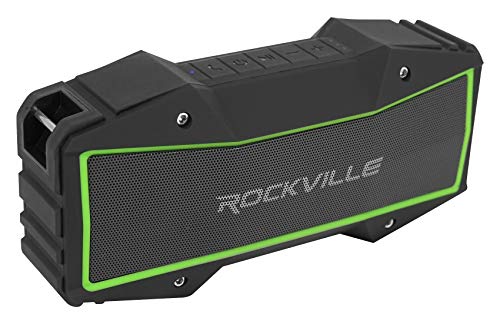
Modern smart platforms now offer bilingual voice settings that allow devices to understand both English and Italian interchangeably. Enabling bilingual mode lets you dictate calendar reminders in English while requesting local traffic updates in Italian. If you enjoy wireless streaming throughout your living space, connecting a Bluetooth home speaker setup provides a dependable way to stream podcasts or study materials from your phone without software region locks. This hybrid approach ensures you maintain full control over your media without losing local utility.
Account regionality also impacts which audio streaming services link directly with your voice assistant hardware. Streaming accounts registered in North America or the United Kingdom may require specific network configurations or regional profile adjustments when used in Europe. In some instances, digital music libraries or specific podcast subscriptions might display geo-licensing restrictions across Italian internet service providers. Verifying your account credentials and media app settings beforehand prevents unexpected streaming interruptions in your living room.
Electrical and Power Compatibility for Imported Audio Gear
Relocating foreign audio equipment to Italy introduces critical electrical compatibility challenges that require careful attention. Italy operates on a 230-volt electrical grid with an alternating current frequency of 50 Hertz, using Type C, F, and L socket outlets. Equipment originally designed for 120-volt North American outlets cannot be plugged directly into Italian wall sockets without causing severe internal damage or electrical fires. Anyone bringing powered audio hardware abroad must inspect the rear voltage specification plate before connecting power cords.
Powered subwoofers, active studio monitors, and integrated receivers often incorporate internal transformers that require specific voltage inputs. Many modern consumer speakers feature universal switching power supplies that handle 100 to 240 volts automatically, needing only a simple physical plug adapter. Older or high-performance audiophile amplifiers, however, frequently feature fixed-voltage transformers that demand dedicated external step-down converters to operate safely. Operating a 60 Hertz transformer continuously on a 50 Hertz line can also cause excessive heat buildup and acoustic hum.
Passive speaker cabinets present no electrical voltage hazards because they draw amplified audio signals rather than direct mains power. The crucial factor with passive setups is ensuring that the amplifier driving them is properly rated for local Italian electricity. Grounding standards in older Italian residential buildings can also introduce ground-loop hum into analog audio cables. Utilizing shielded interconnects and dedicated power conditioners helps eliminate unwanted electrical noise from your listening setup.
Optimizing Room Acoustics for Spoken Audio Clarity
Traditional Italian residential construction presents unique acoustical hurdles that can degrade speech intelligibility for listeners. High vaulted ceilings, ceramic tile floors, solid masonry walls, and large uncurtained windows create highly reflective acoustic environments. These hard surfaces cause sound waves to bounce repeatedly, resulting in long reverberation times that muddy spoken dialogue. When listening to language tutorials or rapid foreign speech, heavy room flutter and echo make it difficult to decipher subtle consonants.
Improving speech intelligibility in highly reflective rooms starts with introducing soft, sound-absorbing materials into the space. Placing heavy area rugs over tiled floors significantly reduces harsh floor reflections and tightens the overall sound profile. Hanging thick linen or velvet curtains across balcony doors and bare windows helps absorb high-frequency flutter echoes. Coupling these simple room treatments with dedicated music speakers placed at ear level ensures direct, uncolored audio reaches your ears before wall reflections interfere.
Speaker placement and equalization settings also play an influential role in optimizing vocal clarity for educational content. Positioning speakers away from room corners prevents artificial bass bloat from masking delicate mid-range vocal frequencies. Adjusting your amplifier or streaming app’s equalizer to provide a gentle lift around two to four kilohertz highlights vocal articulation. Taking these acoustical precautions ensures that language learning lessons and dialogue-heavy broadcasts sound crisp and easy to follow.
Daily Immersion Strategies for English Speakers in Italy
Creating a balanced media environment helps foreign residents integrate into Italian society while retaining comfortable English connections. Streaming Italian national radio stations such as Rai Radio 1 or commercial channels like RTL 102.5 exposes you to natural conversational cadence throughout the day. Playing local news broadcasts quietly in the background while cooking or working trains your subconscious mind to recognize common vocabulary. Over time, passive background listening transitions into active comprehension of current cultural events and colloquial expressions.
Balancing Italian immersion with English entertainment prevents cognitive fatigue, which commonly affects new expatriates and long-term travelers. Immersing yourself entirely in a foreign language all day can be mentally draining, especially during the initial months abroad. Setting aside dedicated evening hours to relax with English-language podcasts, audiobooks, or movies provides necessary mental rest. This healthy equilibrium between active language study and personal comfort prevents burnout and keeps motivation high.
Engaging socially with local residents requires cultural sensitivity and an understanding of communication etiquette. Italians appreciate when visitors make an initial effort to greet them in Italian, even if the conversation subsequently shifts into English. Opening an interaction with polite Italian greetings establishes mutual respect before asking if the other person speaks English. Combining respectful communication habits with regular auditory practice ensures a rewarding and harmonious lifestyle anywhere in the country.
Final Practical Advice for Language and Audio Preparation
Thorough preparation bridges the gap between statistical demographic data and your actual day-to-day experience across Italy. While millions of Italians understand English to varying extents, depending solely on foreign language proficiency creates unnecessary friction in residential life. Investing in practical language learning tools, establishing consistent listening habits, and verifying your audio equipment’s electrical compatibility sets a solid foundation for your stay. With proper acoustic setups and respectful communication habits, you can confidently enjoy everything Italy has to offer.
Before packing your bags or connecting powered sound systems, verify power ratings, gather quality language audio, and prepare essential Italian vocabulary. Establishing clear audio playback at home supports both your educational goals and your everyday relaxation needs. Taking these practical steps guarantees that you navigate daily life with minimal frustration while building genuine connections across your new community.




Write Your Review
No reviews yet. Be the first to share your experience!