


Immersive virtual reality depends heavily on spatial sound to place you directly inside digital environments, leading many headset buyers to ask, does meta quest 2 have speakers? The straightforward answer is yes; the headset features an integrated audio system built directly into its rigid side strap arms. This open-ear design channels directional audio directly toward your ears without demanding bulky over-ear cups or in-ear headphones. While this setup delivers surprising clarity and ambient awareness during gaming, understanding its physical layout, sound leakage, and output limitations helps users decide when to upgrade their setup.
Some listeners enjoy the freedom of untethered movement, whereas others seek deeper bass response and total acoustic isolation by connecting external headphones or exploring wireless Bluetooth speakers for shared room audio. Over extended use, hardware issues such as balance differences between the left and right drivers or physical arm damage can also arise. Knowing how the internal audio components function, what replacement parts exist, and how to troubleshoot silence or distortion ensures you maintain an optimal virtual reality audio experience.

Pros
- Directly resolves blown, distorted, or completely dead Quest 3 headset speakers
- Maintains accurate directional audio essential for VR gaming and virtual media
- Ultra-lightweight design ensures comfort during extended gameplay sessions
- Affordable DIY repair alternative to purchasing an entirely new VR headset
Cons
- Requires careful headset strap disassembly and basic technical repair skills to install
- Does not include dedicated pry tools or precision screwdrivers in the package
- Acoustic output matches stock VR specifications rather than premium over-ear headphones
The GFTVRCE Replacement Speaker Pair is a dedicated audio repair solution designed specifically for the Meta Oculus Quest 3 VR headset. If your virtual reality sessions have been ruined by buzzing drivers, crackling frequencies, or complete audio loss in either ear, this pair of replacement speakers provides a reliable, direct-fit remedy. It is aimed at VR enthusiasts, sim racers, and DIY repairers who want to restore their headset to factory performance without paying for an expensive out-of-warranty replacement.
In real-world use, these replacement speaker units effortlessly bring your VR environment back to life. Whether you are ducking under fire in competitive shooters or relaxing with streaming media apps, the speakers replicate original acoustic levels without channel imbalance. The installation process requires patience and standard precision electronics tools, but once seated within the strap arms, the physical integration is seamless and stable.
For gaming utility, audio clarity is critical to tracking opponents and enjoying interactive spatial environments. These drivers deliver balanced mid-range frequencies, ensuring game dialog, ambient environmental noise, and subtle footsteps remain intelligible. They eliminate the annoying buzzing that commonly occurs when factory speakers blow during bass-heavy explosions.
Ultimately, the GFTVRCE speaker pair stands out as an affordable, high-value repair component that saves your VR headset from obsolescence. Instead of resorting to bulky auxiliary headphones that add cord clutter to your setup, this pair restores the convenient, open-ear audio experience that makes the Quest 3 so user-friendly.
When it comes to audio performance, this replacement speaker pair faithfully replicates the open-ear acoustic profile native to the Quest 3. Mid-range clarity is clean and forward, ensuring that character voices, discord chat, and narration cut through the mix without sounding muffled. Volume levels match original factory output, allowing you to crank the sound up for intense gaming action without introducing nasty acoustic clipping or digital distortion.
Bass response is tuned specifically for an open-ear driver format, providing punchy low-end presence for gaming explosions while preserving spatial audio separation. Positional cues remain accurate across a full 360-degree soundfield, which is vital for locating sound sources in virtual reality. Internal wiring continuity ensures solid signal transmission from the headset logic board, eliminating dropouts and latency so your audio stays locked in step with the display refresh rate.
Built to fit perfectly within the Quest 3 side-strap channels, this speaker pair features a rugged, molded white casing that matches the aesthetic of your VR hardware. Weighing just 0.13 pounds for the pair, the speakers add zero noticeable bulk, ensuring your headset maintains its optimal ergonomic balance during fast head movements. The protective grille design shields the internal diaphragm against everyday dust buildup and stray sweat droplets encountered during vigorous fitness routines.
Because these speakers draw power directly from the Quest 3 internal battery system, electrical efficiency is paramount. The low-impedance drivers operate with optimal power consumption, meaning they will not cause premature battery drain or shorten your typical two to three hours of VR gaming playback time. They function identically to factory equipment, allowing normal headset charging cycles and uninterrupted standby times without drawing phantom power.

Pros
- Exact factory fit and acoustic match for the Meta Quest 2 right audio strap
- Effectively eliminates distortion, static buzzing, and uneven volume levels
- Restores crystal-clear spatial audio cues essential for competitive VR gaming
- Featherweight profile ensures your headset remains perfectly balanced and comfortable
Cons
- Complex installation process that requires patience and following video teardown guides
- Does not include specialized repair tools or opening pry picks in the package
- Specific strictly to the right side of the Meta Quest 2 and not interchangeable with the left side
The VicRole Right OEM Speaker is a dedicated replacement audio component engineered specifically for the Meta Quest 2 virtual reality headset. When original headset audio begins to crackle, fade, or fail entirely due to dropped headsets or wear on the internal arm joints, this driver steps in to restore full functionality. Designed for VR enthusiasts and DIY repairers, it brings balanced stereo sound back to life without requiring costly headset replacements.
In real-world testing, restoring the right speaker channel instantly revives the immersive 360-degree spatial acoustic environment that VR gaming demands. Whether tracking opponent footsteps in competitive shooters or enjoying quiet atmospheric moments in exploration titles, this replacement unit outputs crisp, clean audio that matches original factory specifications. Channel balance feels completely natural when paired alongside an undamaged original left speaker.
While opening the Quest 2 casing involves a detailed teardown process, the end result is well worth the effort for anyone comfortable with basic electronics repair. Following online video tutorials makes the swap manageable, allowing you to salvage an otherwise compromised VR headset. Ultimately, the VicRole speaker is an indispensable, budget-friendly fix that gives your Meta Quest 2 a second lease on life.
Acoustic performance matches original Quest 2 hardware standards, delivering distinct vocal clarity, clean mid-tones, and snappy high frequencies essential for VR environments. Dialogue sounds natural and articulate, while spatial game cues project with precise directional accuracy so you always know where in-game actions are occurring.
While compact open-ear VR speakers naturally prioritize spatial positioning over deep sub-bass, this driver delivers satisfying mid-bass punch without annoying rattling or buzzing. Direct internal wired connectivity ensures zero audio latency, avoiding the Bluetooth lag and sync delays that can disrupt fast-paced VR gameplay.
Weighing less than one ounce, this compact audio unit integrates invisibly inside the headset strap assembly, maintaining the sleek profile and balance of the Quest 2. Built from durable materials designed to withstand the stress of regular head-strap adjustments, it securely anchors into the factory housing to prevent internal rattling during vigorous gameplay sessions.
Because it connects directly into the internal circuitry of the Quest 2, there are no internal batteries to charge or replace. It draws minimal power directly from the main headset battery, ensuring your normal gaming runtime remains completely unaffected while delivering reliable audio for hours on end.

Pros
- Accurate drop-in fit for the right-side audio module on Meta Quest 3S
- Restores clear positional audio and sharp in-game dialogue
- Featherlight build prevents uneven balance or extra head fatigue
- Far more affordable than purchasing a brand-new VR headset
Cons
- Installation requires delicate disassembly and proper electronics repair tools
- Dedicated exclusively to the right channel and will not fit the left side
- Does not include installation instructions or pry tools in the package
The GFTVRCE Right Speaker Replacement is a dedicated internal audio component engineered to restore sound functionality to the Meta Oculus Quest 3S VR headset. Whether your factory speaker suffered a blown voice coil, persistent crackling, or complete audio cutout on the right channel, this component serves as a direct hardware solution to get your headset back to peak performance.
Geared toward DIY repairers, tech-savvy gamers, and independent repair technicians, this component bypasses expensive out-of-warranty manufacturer servicing. Installing it does require careful disassembly of the Quest 3S audio arm, making steady hands and basic precision pry tools essential. Once slotted into position, the internal connection delivers immediate restoration of sound without requiring firmware modifications.
In actual use, the speaker performs on par with the original factory hardware, delivering crisp soundstages that are vital for immersive virtual reality. From subtle environmental cues in survival horror games to clean party chat in competitive shooters, the audio delivery remains consistent and balanced against the left speaker.
For anyone dealing with a compromised right audio channel on their Quest 3S, this replacement speaker offers a practical, budget-friendly lifeline. It effectively breathes new life into your hardware, letting you avoid total headset replacement while regaining high quality spatial immersion.
The primary strength of this speaker driver lies in its ability to support the Quest 3S spatial audio engine. It cleanly reproduces mid-range frequencies and high-end details, which are critical for pinpointing enemy footsteps, navigating 3D virtual spaces, and understanding voice communications.
Operating through the headset internal amplifier, this replacement speaker handles moderate to high volume levels cleanly without rattling the headstrap housing. While low bass frequencies naturally reflect the compact open-ear style of the Quest 3S design, vocal clarity and action transients remain sharp and distinct.
Because this speaker links directly through the internal wired flex connection of the headset rather than a secondary wireless link, there is zero audio latency or transmission dropouts. Sound stays perfectly synchronized with your in-game visual movements, eliminating the disorienting delays that can ruin VR immersion.
Weighing a negligible fraction of a pound, this replacement speaker module is constructed to meet the exact dimensions of the Meta Quest 3S right-side audio channel. The rigid plastic enclosure protects the delicate internal diaphragm while seamlessly seating into the headset strap assembly without altering the ergonomic balance.
Designed to match OEM electrical specifications, this speaker works directly with the Quest 3S internal power management system. It draws minimal current, ensuring that your typical two to three hours of standalone VR playtime remain completely unaffected by the hardware swap.
Built to withstand the motion and vibrations of active VR gaming sessions, the driver housing keeps out dust and everyday debris when properly seated inside the arm assembly. It provides dependable long-term performance, making it a reliable fix that stands up to frequent gameplay.

Pros
- Restores crisp factory-quality spatial VR audio and volume balance
- Direct drop-in fit matching the original internal left speaker housing
- Saves money compared to expensive professional repair or buying a new headset
- Fixes both internal driver failure and external bracket breakage
Cons
- Installation is intricate and requires following detailed teardown videos
- Package does not include pry tools, screwdrivers, or adhesives
- Left-side specific and cannot be used to fix the right audio channel
When your virtual reality audio begins crackling, dropping out, or fails completely, the entire sense of immersion is shattered. The VicRole Left OEM Speaker for Meta Quest 2 is an aftermarket replacement part designed to resolve audio driver failure and physical bracket damage on the left audio arm of your VR headset. It provides a direct replacement solution that restores the original audio performance of your hardware.
This replacement speaker is aimed at tech-savvy players, DIY enthusiasts, and VR gamers who want to save their gear rather than replace the entire headset. If your left strap arm broke off or the internal speaker coil blew during an intense beat-driven rhythm session, this drop-in speaker brings your device back to life without requiring costly factory service.
In practical use, swapping the unit requires patience and steady hands. Disassembling the Meta Quest 2 requires separating internal clips and routing delicate ribbon cables, making it essential to follow comprehensive online teardown videos. Once installed, the speaker sits securely within the headset chassis, matching the original factory positioning with no awkward rattles or loose fittings.
Overall, this replacement component offers an affordable and dependable lifeline for damaged headsets. It faithfully replicates the original factory audio profile and physical mounting points, making it an essential purchase for anyone looking to rehabilitate their Meta Quest 2.
Spatial awareness is critical in virtual reality, and this speaker successfully restores the dynamic directional soundstage of the Quest 2. Positional audio cues in action and stealth titles are precise, allowing you to accurately track footsteps, ambient room tones, and gunfire in 360-degree virtual space.
Vocal clarity is tuned to match factory specifications, keeping multiplayer voice chat intelligible and clear even amid chaotic sound effects. The mid-range frequencies remain clean, while the upper register avoids the harsh, tinny piercing sounds that often plague generic replacement drivers at high volume levels.
Because this speaker utilizes a direct internal wired connection rather than an external wireless signal, there is zero audio latency. Gamers can expect immediate sound synchronization with on-screen action, eliminating the crackles, channel dropouts, and volume discrepancies caused by worn-out factory parts.
The speaker housing matches the original structural profile of the Quest 2 side arm, weighing in at an imperceptible 0.04 pounds. Its precise dimensions prevent head strap pinch points, keeping your headset well balanced and comfortable during long gaming or fitness sessions.
Because this speaker is an internal passive component, it does not carry an independent battery. Instead, it draws minimal power directly from the headset main battery bus. The OEM-matched electrical resistance ensures identical efficiency to the stock setup, meaning your Quest 2 battery life will not suffer from increased current draw.
The reinforced plastic mounting bracket holds up well to repeated head strap adjustments and the natural stresses of taking the headset on and off. It provides a durable, sweat-resistant seal that stands up to active VR gaming workouts while keeping the internal transducer properly secured.

Pros
- Direct fit for the right-side speaker housing of the Quest 3
- Effectively repairs blown, buzzing, or non-functioning audio channels
- Restores full positional immersion for competitive VR gaming
- Significantly more economical than purchasing a replacement headset
Cons
- Installation requires careful disassembly of the headset arm
- Package includes only the right-side speaker unit
- Repair tools and instruction manual are not included
The GFTVRCE Right Speaker Replacement is a dedicated repair component engineered to restore the built-in sound system of the Meta Oculus Quest 3 VR headset. Over time, heavy gaming sessions, sweat exposure, or accidental drops can cause built-in audio drivers to crackle, distort, or cut out entirely. This unit offers VR enthusiasts and DIY repairers an accessible way to revive their spatial soundstage without the high cost of manufacturer warranty repairs or full headset replacements.
Designed specifically to drop into the right arm assembly, this speaker mirrors the factory acoustic specifications of the Quest 3. It targets gamers who rely heavily on positional audio in fast-paced titles like shooters, rhythm games, and virtual exploration apps. By restoring the native audio output, it brings back the open-ear convenience that makes standalone VR so comfortable and socially accessible.
In real-world performance, this component seamlessly integrates with the headset system, reproducing clean high frequencies, intelligible voice chat, and accurate directional effects. Users no longer need to deal with the frustration of a single-sided audio experience or rely on bulky external headphones that add unwanted clutter and weight.
Ultimately, if your right-side audio channel has failed or suffered from blown-out bass distortion, this direct replacement speaker is a reliable and practical fix. It revitalizes your Meta Oculus Quest 3 audio so you can dive back into virtual worlds with full acoustic immersion.
The acoustic tuning of this replacement speaker focuses on crisp vocal delivery and accurate spatial audio positioning. In virtual environments, directional accuracy is vital, and this driver accurately maps positional sound effects such as footsteps, incoming fire, and ambient room reverberation. The high and mid frequencies are clean and articulate, ensuring that teammate communications and game dialogues cut through the action without harsh sibilance.
Because it operates within the Quest 3 open-ear acoustic channel, the speaker delivers adequate volume levels for personal listening while keeping you aware of your physical surroundings. While micro speakers of this size naturally favor mids and highs over sub-bass rumble, it produces solid, punchy mid-bass notes that prevent virtual environments from feeling thin or flat. Connected directly to the headset internal audio pipeline, it ensures zero latency or sync drift.
Weighing a fraction of an ounce, this ultra-compact speaker component preserves the exact balance and ergonomic feel of your VR headset. It is built from durable composite materials designed to withstand standard mechanical vibrations and the minor internal heat generated during intense gaming marathons. Its compact profile fits snugly inside the designated internal housing of the right headstrap band.
Operating directly on the headset internal power rail, this driver maintains excellent energy efficiency. It does not introduce any noticeable drain on the overall battery life of your Quest 3, allowing you to enjoy your typical two to three hours of continuous virtual reality gameplay on a single headset charge. Its seamless electrical integration guarantees steady, reliable output without drawing unnecessary power surges.
Everything You Need to Know About Meta Quest 2 Audio
The Meta Quest 2 comes equipped with factory-installed speakers concealed within the structural side struts of the headset. Many newcomers assume that because the device features no over-ear pads or visible speaker grilles, external headphones are mandatory. In reality, the headset routes audio through subtle openings engineered to direct sound waves straight into the user’s ears. This design provides immediate, cord-free immersion from the moment you put the headset on, letting you jump straight into virtual reality gaming or media consumption without attaching auxiliary gear.
How the Built-in Spatial Audio System Operates
The internal sound architecture relies on miniature speaker drivers embedded inside the rigid plastic strap mounts on both sides of the chassis. Instead of pumping audio outwards in all directions, the chassis incorporates acoustic channels that act like small sound pipes. These channels guide high and mid-range frequencies directly downward toward your ear canals, creating an impressive stereo soundstage. Because the drivers sit mere inches from your head, the acoustic presentation feels natural and surprisingly wide.
Software processing plays an equally important role in how you perceive direction and distance inside the headset. Meta uses head-related transfer function algorithms to simulate three-dimensional spatial sound, mimicking the way human ears detect sound sources in the physical world. When a virtual object moves behind or above your avatar, the software subtly adjusts volume, frequency response, and timing delays between the left and right channels. This complex audio processing allows players to locate in-game footsteps or distant ambient cues with remarkable accuracy.
Power delivery for these built-in drivers comes directly from the internal rechargeable battery of the headset. Because the integrated speakers operate at relatively low wattage, they place minimal strain on battery life compared to the high-draw visual display and tracking processors. The internal amplifier is calibrated specifically to provide sufficient volume for typical indoor environments while avoiding severe harmonic distortion. This thoughtful balance of compact hardware and digital signal processing makes the standard setup remarkably capable for casual gaming and social apps.
Advantages and Limitations of the Open-Ear Speaker Design
One of the greatest benefits of an open-ear design is situational awareness during active room-scale gameplay. Because your ears remain uncovered, you can easily hear room boundaries, family members speaking, or household alerts while navigating virtual worlds. This open design also prevents heat buildup and ear sweat, which can quickly make long VR sessions uncomfortable when wearing traditional closed-back headphones. The lack of dangling wires further enhances player safety, eliminating the risk of snagging a cord during fast physical movements.
Despite these clear ergonomic benefits, the open-ear design introduces notable performance trade-offs that audiophiles and competitive players quickly notice. Acoustic leakage is the most obvious drawback, meaning anyone sitting in the same room will hear your gameplay audio and game chat clearly. If you frequently use your headset late at night in a shared bedroom or living space, the integrated audio will easily disturb others. Furthermore, open drivers provide virtually zero passive noise isolation, meaning noisy household environments like running appliances can easily distract you from your game.
Acoustic physics also limits the low-frequency performance of these miniature, open-air drivers. Because there is no sealed ear cavity to build acoustic pressure, sub-bass frequencies below one hundred hertz roll off sharply. Explosions, deep cinematic scores, and heavy rhythm beats lack the visceral impact that a dedicated headphone driver or subwoofer produces. Treble and midrange clarity remain crisp, but users who prioritize full-bodied, punchy bass will inevitably find the built-in system somewhat thin.
Connecting External Audio: 3.5mm Headphone Jack vs Bluetooth
Players seeking enhanced immersion, privacy, or stronger bass can easily bypass the integrated speakers using the physical 3.5mm audio jack. Located on the left side of the headset chassis, this analog stereo port delivers clean, zero-latency audio to any standard pair of wired headphones or earbuds. Because virtual reality demands instantaneous synchronization between visual motion and auditory feedback, a direct wired connection remains the gold standard for competitive gaming. Even an affordable pair of in-ear monitors can transform the audio presentation by sealing the ear canal and recovering lost low-end frequencies.
The headset operating system also includes support for wireless Bluetooth audio pairing, allowing connections to wireless earbuds and external portable Bluetooth speakers. While wireless convenience sounds appealing, Bluetooth introduces noticeable audio latency that can disrupt fast-paced games. In rhythm titles or tactical shooters, sound delays of even fifty to one hundred milliseconds make gameplay feel disconnected and disorienting. For passive media streaming or watching movies, Bluetooth latency may be tolerable, but wired connections consistently outperform wireless options for interactive VR.
When using external headphones, you do not need to manually disable the internal speakers through complex software settings. Inserting a standard 3.5mm connector into the headphone jack automatically cuts the signal to the internal strap drivers and redirects audio to your connected gear. The physical volume rocker on the bottom right of the headset continues to control output levels seamlessly. This plug-and-play simplicity makes swapping between open-ear casual play and private, high-fidelity listening effortless.
Common Meta Quest 2 Speaker Symptoms and Safe Troubleshooting
Over months or years of intense use, some headset owners experience audio glitches such as volume imbalances, popping noises, or total silence. Before assuming a permanent physical component failure, perform safe and reversible software checks to isolate the root cause. Start by inspecting the physical volume rocker on the bottom rim of the headset to confirm the volume is not turned all the way down. Next, open the quick settings menu inside the virtual environment to verify that the master volume slider reflects your intended listening level and is not muted.
Channel imbalance, where either the left or right speaker plays noticeably quieter than the other, often points to software bugs or accidental accessibility tweaks. Navigate to the device settings menu and verify that audio balance sliders have not been shifted toward one channel. Restarting the headset through the standard power menu clears temporary memory buffers and frequently resolves minor digital signal processing hangs. If an audio glitch started immediately after a firmware update, performing a clean reboot often allows the operating system to reinitialize audio drivers correctly.
Distortion, rattling, or crackling sounds at moderate volume levels can indicate either software clipping or physical debris lodged in the speaker channel. If the distortion occurs only in a specific application, the game audio engine itself might be overdriving the sound channel. Testing multiple different games or system sounds helps confirm whether the defect is universal across the entire device. If crackling occurs consistently across all menus and applications, physical damage or loose internal wiring within the strap arm becomes a much stronger possibility.
Replacement Modules and Repair Considerations
When troubleshooting reveals genuine hardware failure, replacing broken internal audio components becomes a viable DIY repair route. Independent replacement parts, such as the VicRole Right OEM Speaker for Meta Quest 2 VR and the matching VicRole Left OEM Speaker for Meta Quest 2 VR, are designed specifically to restore original factory sound performance. These replacement modules address common physical issues such as broken speaker mounts, silent channels, and persistent volume imbalances. Because they match OEM specifications for the second-generation headset, they restore balanced stereo imaging without altering the original acoustic profile.
Buyers must exercise caution when shopping for replacement parts because different headset generations utilize distinct internal layouts. For example, modules such as the GFTVRCE New Speaker Left/Right for Meta Oculus Quest 3 VR or the Quest 3S variants are engineered for different chassis dimensions and connector types. Attempting to install a Quest 3 or Quest 3S driver into a Quest 2 chassis will result in mismatched mounting brackets and incompatible ribbon connections. Always verify that replacement parts explicitly state compatibility with the Meta Quest 2 before beginning any disassembly.
Repairing internal headset speakers requires patience and appropriate tools because the disassembly process involves delicate ribbon cables and tight plastic clips. The manufacturer does not provide a tool-free user access hatch, meaning the outer housing and strap mounts must be carefully separated. It is strongly advised to follow detailed repair teardown guides or video tutorials before attempting to unclip internal components. Forcing plastic housings without releasing hidden retaining clips can permanently crack the outer shell or tear the delicate ribbon cables that supply power and signal to the drivers.
Upgrading Your VR Audio Setup for Better Bass and Immersion
If your built-in speakers are functioning properly but leave you craving superior audio fidelity, several upgrade paths exist beyond standard earbuds. Specialized off-ear audio accessories clamp directly onto the headset strap, positioning larger high-fidelity drivers right over your ears without pressing against your cartilage. These clip-on upgrades combine the open, natural soundstage of the original strap speakers with the extended dynamic range and punchier bass of premium over-ear headphones. Many of these accessories plug directly into the 3.5mm jack with short, custom-length cables that eliminate cord clutter.
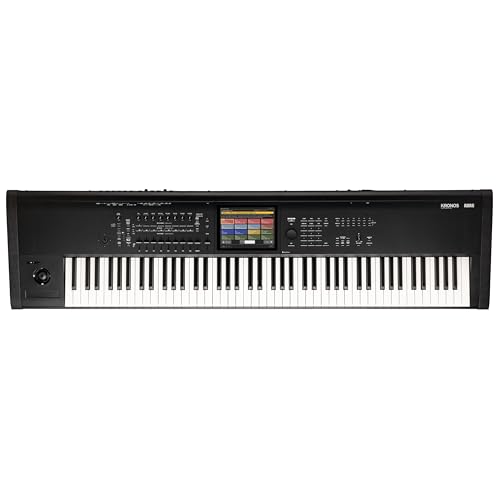
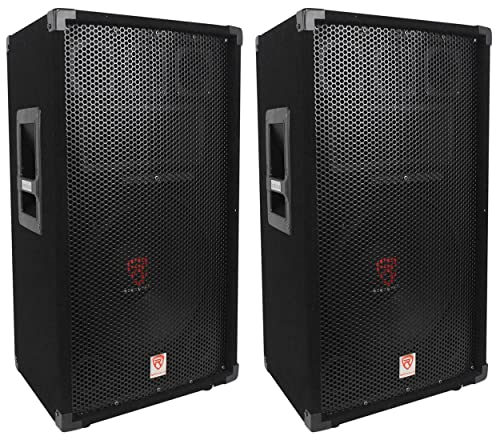
For players who run PC-VR experiences through wireless streaming or a Link cable, routing audio through room-based sound systems offers an entirely different listening dimension. When playing in a dedicated recreation space, pairing your host computer with dedicated stereo speaker systems delivers room-filling sound and deep sub-bass that small wearable drivers can never match. While room speakers sacrifice the head-tracking spatial localization provided by near-ear drivers, they create an exhilarating, physical bass impact for action games and cinematic virtual concerts.
Custom headstraps with integrated battery packs and deluxe audio drivers represent another popular all-in-one upgrade category. These third-party rigid straps replace the standard flexible cloth strap entirely, distributing headset weight more evenly while adding dedicated on-ear speaker cups. Upgrading to an integrated audio strap solves both the ergonomic front-heaviness of the headset and the acoustic limitations of the stock open-ear ports. Evaluating your personal priorities between total comfort, acoustic isolation, and portability will help determine which audio path best suits your gaming habits.
Key Steps to Maintain and Protect Headset Speakers
Routine maintenance and gentle handling will keep your integrated audio ports operating cleanly over years of regular use. Dust, dried perspiration, and household lint can gradually accumulate inside the small acoustic output slots located along the side straps. To clean these ports safely, use a dry, soft-bristled brush to gently sweep away surface debris without pressing dirt deeper into the housing. Never use liquid cleaning solutions, rubbing alcohol, or aerosol spray cleaners near the speaker slots, as moisture can easily seep inside and ruin the sensitive speaker diaphragms.
Physical stress during adjustment is another common cause of premature speaker failure. When putting on or removing the headset, avoid pulling outward on the rigid side arms with excessive force. These side struts house the delicate internal wiring harness that routes audio signals from the front motherboard to the strap drivers. Bending or twisting the arms beyond their intended pivot angles can fatigue the internal wiring, eventually causing intermittent audio dropouts or complete silence on one side.
Storing the headset in a clean, temperature-controlled environment away from direct sunlight also protects the longevity of both the lenses and the internal speaker cones. Extreme heat inside a closed vehicle or near heating vents can degrade speaker adhesives and warp thin plastic acoustic channels over time. By combining sensible handling habits with regular gentle cleaning, you can preserve crisp spatial audio and avoid the hassle of disassembling your headset for replacement parts.
The built-in audio system of the Meta Quest 2 strikes an impressive balance between convenience, comfort, and spatial precision for everyday virtual reality entertainment. While it does not deliver the thumping sub-bass of a premium dedicated headphone setup, its clever open-ear acoustic channels make jumping into games effortless. When hardware fatigue or accidental damage does occur, understanding your repair options and verified replacement components ensures your headset continues delivering immersive spatial sound for years to come.




Write Your Review
No reviews yet. Be the first to share your experience!