


Essential Resources for Structuring Speaker Engagements
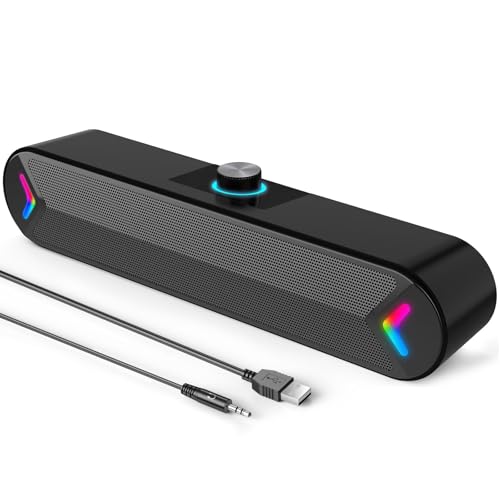
Organizing a presentation or booking an engagement often brings unexpected administrative headaches, especially when verbal agreements leave critical details open to interpretation. Without clear written terms covering performance expectations, payment schedules, and venue accommodations, both presenters and event coordinators take on unnecessary professional risk. Consulting a reliable guide to a speakers contract ensures that every obligation, from cancellation clauses to audio technical requirements, remains fully documented before anyone steps on stage. While some event spaces already feature the best sounding speakers for their auditoriums, legal and logistical agreements often get overlooked until miscommunications happen.
The available publications in this collection range from practical event booking manuals to specialized legal phrasebooks and foundational political texts. Resources like Booking the Library: A Comprehensive Guide offer direct workflows for scheduling author and presenter appearances, whereas books like Stand Out: How to Find Your Breakthrough Idea from Portfolio focus on establishing a personal platform. Several titles in this selection address foreign language legal terminology or broader historical subjects rather than standardized contract templates. Reviewing the explicit scope of each volume helps you select reference materials that directly match your specific agreement requirements.





Frequently Asked Questions
What core clauses belong in a standard speaker agreement?
A standard agreement must clearly state the presentation date, location, agreed honorarium, and payment timeline. It should outline travel expense reimbursements, presentation duration, intellectual property rights for recorded remarks, and precise cancellation terms for both parties. Including these baseline points eliminates misunderstandings before the event takes place.
How does an audio technical rider integrate with a speaker contract?
A technical rider acts as a binding addendum that outlines all audiovisual requirements for the presentation. Presenters use this document to specify necessary microphones, projector setups, and room audio systems. When organizing outdoor workshops or open-air talks, organizers often review equipment like the best waterproof speakers to guarantee dependable sound despite weather conditions. Clear equipment riders prevent technical failures on the day of the appearance.
Why do some speaker reference books focus on multilingual legal terms?
International speaking engagements often require navigating foreign jurisdictions and cross-border commercial vocabulary. Specialized texts like 200 FRENCH LEGAL EXPRESSIONS and LEGAL ENGLISH FOR ARABIC SPEAKERS help presenters understand terminology differences across civil law systems. These reference works assist professionals who negotiate terms with overseas institutions, though they do not replace formal legal counsel.
Who typically provides the initial draft of a speaker contract?
Either the hiring organization or the guest speaker can supply the initial contract draft. Professional speakers frequently maintain their own standard agreement to protect their preferred fee structure and technical requirements. Conversely, corporations, libraries, and universities often require presenters to sign an institutional agreement that complies with local procurement rules.
Does a written contract fully protect against event cancellations?
A written agreement cannot physically stop a cancellation, but it defines the financial consequences if either side withdraws. Effective cancellation clauses establish whether deposits are refundable and state the cutoff dates for partial or full fee forfeiture. Having clear terms ensures both the organizer and the speaker know their obligations if unexpected circumstances arise.
What should you verify before relying on a published contract guide?
You should check that the guide reflects current legal standards and aligns with your regional jurisdiction. Many books provide educational overviews or broad business concepts rather than state-specific contract templates. Comparing the listed scope against your actual event requirements ensures you obtain practical, applicable legal guidance.







Write Your Review
No reviews yet. Be the first to share your experience!