


Guitarists looking to expand their sound often wonder whether a low-wattage practice amplifier can drive a much larger speaker enclosure. Many players researching whether can blackstar 1w combo external speakers be connected want the warm harmonic breakup of a tube circuit without sacrificing sonic depth. Compact combo units provide exceptional convenience for home practice, yet their small factory drivers can struggle to deliver deep low-end frequencies. Understanding the output capabilities of these compact amplifiers allows players to take full advantage of external extension cabinets without risking hardware damage.
Connecting an external cabinet transforms a quiet bedroom practice setup into a resonant, room-filling audio rig. While typical home audio setups rely on passive speaker configurations powered by dedicated stereo receivers, guitar amplifiers require careful attention to load ratings and driver impedance. Matching your amplifier output to the correct external driver configuration ensures that the output transformer operates safely and efficiently. Exploring the connection options on these small combos opens up exciting tonal possibilities for both recording and personal practice.

Technical Overview and Guide to Using External Speakers with 1W Combos
Blackstar 1-watt combo amplifiers can power external speaker cabinets through the dedicated speaker output jack located on the rear chassis. Plugging a standard speaker cable into this jack automatically disengages the internal speaker, directing all output power to your connected extension cabinet. This allows guitarists to run their 1-watt tube amplifier through larger single-speaker, dual-speaker, or even four-speaker enclosures. Safe operation requires strict adherence to impedance ratings, correct cabling practices, and an understanding of how low wattage behaves across large speaker arrays.
Rear Panel Connectivity and Internal Speaker Switching
The rear panel of the Blackstar 1-watt combo contains a dedicated quarter-inch speaker output jack designed for external connections. Inserting a standard jack plug engages an internal mechanical switch inside the socket. This switching mechanism disconnects the built-in eight-inch speaker to ensure that the amplifier does not send signal to two separate loads simultaneously. As a result, the entire audio output transfers directly to the connected external cabinet.
Operating an amplifier with both internal and external speakers running at the same time could alter the overall impedance unexpectedly. By muting the onboard driver, the manufacturer protects the internal output transformer from unpredictable electrical loads. Players do not need to solder wires or manually disconnect the internal speaker terminals to achieve this separation. The mechanical disconnect occurs smoothly the moment you seat your speaker cable fully into the socket.
You should always verify that the cable is firmly clicked into the rear socket before turning on the power switch. A partially inserted plug might prevent proper electrical contact while still disconnecting the internal speaker. Running a tube amplifier without a connected speaker load can quickly damage delicate internal components. Taking a second to confirm a snug physical connection prevents costly repair visits and preserves your amplifier circuit.
Impedance Ratings and Output Transformer Protection
Impedance measures the electrical resistance that a speaker cabinet presents to an amplifier, expressed in ohms. The speaker output jack on Blackstar 1-watt combo amplifiers typically specifies an allowable impedance range, commonly rated for loads between 4 ohms and 16 ohms, or specifically an 8-ohm minimum depending on the generation. You must always check the precise rating printed directly next to the jack on your unit chassis. Connecting a speaker cabinet with an impedance outside the stated manufacturer specification can place severe thermal stress on the output transformer.
Tube power amplifiers rely on an output transformer to transfer power from high-voltage vacuum tubes to low-impedance speaker voice coils. If you connect a cabinet with an impedance that is substantially lower than recommended, the transformer draws excessive current and can overheat. Conversely, running an impedance that is excessively high can create inductive flyback voltage spikes that puncture transformer winding insulation. Sticking strictly to compatible 8-ohm or 16-ohm extension cabinets keeps the amplifier running within its engineered safety envelope.
Never power up the amplifier without any speaker connected at all. Solid-state amplifiers can occasionally tolerate running without a speaker load, but tube amplifiers require an active load to dissipate energy safely. If you plan to record silently, you must use a dedicated reactive load box rather than simply leaving the speaker output unplugged. Following proper impedance matching rules ensures your gear delivers consistent tone year after year without risk of sudden failure.
Acoustic Volume and Speaker Sensitivity Dynamics
Many guitarists mistakenly assume that a single watt of amplifier power cannot produce substantial volume through a large speaker cabinet. In reality, perceived loudness depends heavily on speaker sensitivity, which is measured in decibels at one watt of power at a distance of one meter. A typical high-sensitivity guitar speaker produces between 97 dB and 100 dB from just one watt of input signal. That sound pressure level is roughly equivalent to a loud lawn mower or passing street traffic in an enclosed room.
Connecting your 1-watt amplifier to a multi-speaker cabinet increases the total radiating surface area significantly. A quad of twelve-inch speakers moves vastly more air than a single eight-inch practice speaker, even when sharing that same single watt of power. The increased cone area couples more effectively with the air in the room, creating fuller low-end response and wider horizontal dispersion. This acoustic coupling explains why small tube amplifiers often sound unexpectedly massive when paired with full-sized guitar cabinets.
High sensitivity also allows you to explore natural tube saturation at volume levels that remain manageable for apartment practice. You can push the power tube into musical compression and harmonic breakup without generating deafening stage volume. This balance makes 1-watt combos paired with efficient external cabinets an exceptional tool for home recording studios. You achieve authentic cranked-amplifier tone on your audio tracks without causing disturbances to neighbors or family members.
Speaker Cable Specifications Versus Instrument Cables
Connecting an amplifier to an external speaker requires a dedicated unshielded speaker cable rather than a standard guitar instrument cable. While both cables use identical quarter-inch jack plugs on either end, their internal wiring serves completely different electronic purposes. An instrument cable uses a thin signal wire surrounded by braided shielding designed to reject radio interference from high-impedance guitar pickups. It is not engineered to carry the higher current levels generated by an amplifier power section.
Speaker cables contain two heavy-gauge copper conductors, usually 14 AWG or 16 AWG, running parallel to one another without electrostatic shielding. These heavier conductors easily carry amplified current without generating resistance, signal loss, or internal heat. Using a thin instrument cable between an amplifier and a cabinet can cause the delicate inner core to overheat, potentially melting the insulation and causing an electrical short circuit. A short circuit at the speaker output can destroy an output transformer in seconds.
Always inspect the outer jacket of your cables before hooking up your amplifier rig. Dedicated speaker cables generally feature thick, round rubber jackets and clearly state speaker cable on the outer insulation. Keeping your speaker cables neatly organized and visually distinct from your guitar patch cords prevents accidental mix-ups during setup. Investing in a sturdy, heavy-gauge speaker cable is the simplest insurance policy you can buy for your amplifier hardware.
Choosing Between 1×12, 2×12, and 4×12 Extension Cabinets
Selecting the right external cabinet format depends on your room size, mobility requirements, and tonal preferences. A single twelve-inch cabinet provides an excellent compromise between physical portability and balanced frequency response. Compact enclosures fit neatly under a desk or in the corner of a bedroom while offering a dramatic upgrade in bass clarity over the stock combo speaker. For most home players, a quality 1×12 setup provides all the sonic authority needed for practice and personal tracking.
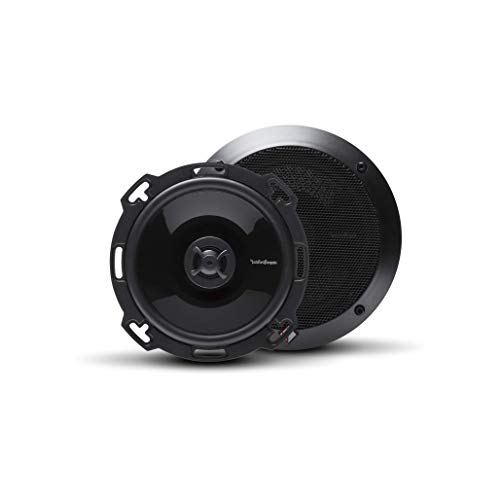
Stepping up to a dual twelve-inch or four-by-twelve enclosure introduces broader acoustic dispersion and enhanced low-frequency resonance. In professional sound environments, well engineered speaker systems demonstrate how enclosure volume and driver baffling dramatically alter audio depth. The Blackstar Amplifier Speaker, Black (EL34) cabinet format reflects this approach by pairing solid construction with drivers capable of articulate frequency reproduction. Larger cabinets provide an expansive soundstage that makes practicing feel like playing through an authentic stage half-stack.
You must always confirm the wiring configuration of multi-speaker cabinets before plugging them in. Some 2×12 and 4×12 cabinets feature stereo inputs, mono inputs, or switchable impedance selectors on their rear terminal plates. Setting the cabinet selector switch to match your combo output impedance avoids dangerous load mismatches. Taking a moment to double-check the cabinet rating plate guarantees that your gear remains fully protected during prolonged playing sessions.
Step-by-Step Procedure for Connecting an External Cabinet
Connecting your Blackstar combo to an external cabinet requires a safe, methodical sequence of actions. Begin by making sure that the amplifier power switch is in the off position and the power cable is securely connected. Verify the impedance rating labeled on your external cabinet matches the allowable rating on the amplifier rear panel. Place the cabinet securely on a level surface where vibrations from low-frequency notes will not cause it to shift or walk across the floor.
Take your unshielded speaker cable and insert one end firmly into the external speaker jack on the back of the combo chassis. Take the remaining plug and seat it fully into the main mono input jack on the back of your speaker cabinet. If your cabinet features an impedance selector switch, ensure it is set to the correct matching value, such as 8 ohms or 16 ohms. Double-check that no instrument cables were accidentally swapped into the speaker signal path during this process.
Turn the volume and gain controls on the front panel of your amplifier down to zero before applying power. Flip the power switch on and allow the vacuum tubes approximately thirty seconds to reach stable operating temperature. Plug your guitar into the front input jack, strike a chord, and gradually raise the volume knob to a modest listening level. Once you confirm clear audio output without rattling or distortion, you can dial in your desired equalization and gain settings.
Troubleshooting Common External Speaker Connection Issues
If you connect your external cabinet and hear complete silence, immediately switch off the amplifier power. Check that your guitar cable is fully seated in the instrument input and that your guitar volume knob is turned up. Next, inspect the speaker cable connections at both the amplifier chassis and the cabinet terminal plate to confirm full mechanical seating. Inspecting these basic physical connections first resolves the vast majority of unexpected silence issues without unnecessary worry.
Thin, fizzy, or unusually quiet sound often indicates an impedance mismatch or a faulty speaker cable. If an internal conductor in the speaker cable has frayed, resistance can spike dramatically, choking the audio signal and risking amplifier damage. Swap in a known-good backup speaker cable to rule out wiring faults within the cable itself. You should also check whether your cabinet has dual input jacks, ensuring you have plugged into the parallel mono input rather than an ungrounded link socket.
Rattling or buzzing noises during heavy palm-muted chords usually stem from mechanical vibrations rather than electrical faults. Large cabinets can cause loose hardware on the combo chassis, nearby furniture, or wall fixtures to vibrate in sympathy with low bass frequencies. Check that the rubber feet on both the cabinet and the amplifier are resting evenly against the floor. Isolating physical vibrations helps ensure that the audio reaching your ears is purely the sound of your amplified guitar tone.
Tonal Differences Between Internal Drivers and Extension Cabinets
The standard eight-inch speaker found in compact 1-watt combos is engineered primarily for compact physical dimensions and low manufacturing cost. Small drivers naturally produce a mid-focused frequency response with limited bass extension below one hundred hertz. While this voicing cuts through bedroom practice well, it can sound boxy or congested during aggressive riffing. High-gain distortion through an eight-inch cone can also take on an abrasive, buzzy character due to early cone breakup.
Switching to a twelve-inch guitar speaker immediately expands the frequency spectrum in both directions. Low frequencies gain warmth, tightness, and percussive punch, making palm-muted metal riffs and clean jazz chords sound substantially more authoritative. The larger voice coil and stiffer cone assembly also smooth out harsh treble frequencies, yielding creamy lead tones with musical sustain. This broader response makes your low-wattage amplifier respond under your fingers like a much larger boutique rig.
Cabinet construction plays an equally vital role in shaping your final listening experience. An open-back cabinet allows sound waves to radiate from both the front and rear of the enclosure, creating an airy, room-filling soundstage. A closed-back cabinet traps the rear sound wave, increasing internal pressure and delivering focused, directional punch with tighter low-end control. Experimenting with different cabinet types allows you to tailor your 1-watt combo to match your preferred musical genre perfectly.
Practical Summary and Long-Term Operating Advice
Using an external speaker cabinet with your Blackstar 1-watt combo is one of the most cost-effective upgrades available to home guitarists. It unlocks the true tonal capabilities of the tube preamp and power stage while bypassing the physical limitations of a small internal speaker. As long as you respect the manufacturer impedance specifications and use proper unshielded speaker cables, your amplifier will operate reliably for years. The flexibility to switch between ultra-portable combo use and expansive cabinet performance provides the best of both worlds.
Make it a regular habit to inspect your speaker jacks and cables for physical wear or oxidation. Keep your cabinet stored in a dry, climate-controlled space to protect driver cones from humidity fluctuations that could degrade tone over time. By pairing sensible operating precautions with thoughtful cabinet selection, you can enjoy rich, professional-grade guitar audio at volume levels that suit any home studio environment.



Write Your Review
No reviews yet. Be the first to share your experience!