


Riders and outdoor enthusiasts often look for durable, loud audio gear that can handle open air and highway speeds without requiring an impossible installation budget. Many audio shoppers specifically ask are boss phantom speakers any good when searching for compact, weather-resistant audio packages for their handlebars, wakeboard towers, or front fairings. Outdoor sound systems face intense competition from wind noise, engine rumble, and harsh weather conditions, which means small drivers must work much harder than traditional indoor gear. Upgrading factory sound with aftermarket vehicle speakers often requires balancing physical clamp sizes, wiring configurations, and realistic acoustic output against the elements.
BOSS Audio Systems built a strong reputation in the entry-level powersports and marine segments by offering complete audio packages with integrated hardware and weatherproof materials. While these units are designed to withstand direct sun exposure, moisture, and road vibrations, buyers must understand the trade-offs between compact sizing and deep acoustic bass. Taking a closer look at the power requirements, enclosure construction, and signal sources helps riders decide whether this style of audio hardware fits their specific riding habits and sound expectations. Practical expectations and proper wiring will ultimately determine whether these speakers deliver an enjoyable ride.

Pros
- Includes powerful 600W amp for optimal sound without extra purchases
- Durable materials like rubber surround handle constant road punishment
- High sensitivity 90dB for loud, clear output with bike power
- Tailored grilles ensure seamless integration on select Harley models
- Wide frequency response up to 18kHz for detailed audio on the go
Cons
- Requires professional radio reflash post-install for best performance
- Professional installation strongly recommended to avoid issues
- Frequency starts at 100Hz, so deepest bass needs subwoofer addition
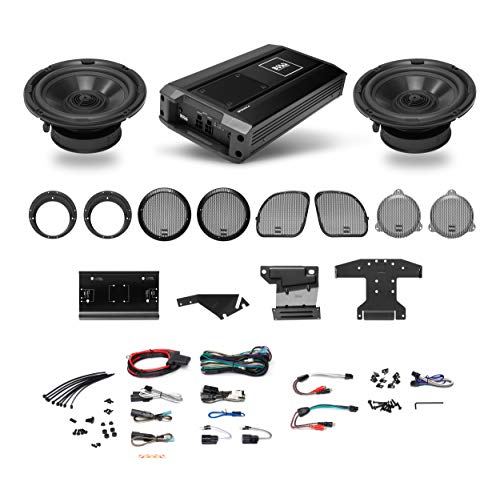
The BOSS Audio Systems BHD3F is a front speaker kit designed specifically for select 1998+ Harley Davidson motorcycles like Electra Glide, Road Glide, and Street Glide models. It includes a pair of 6.5-inch full-range speakers and a compact 600-watt 4-channel Class D amplifier, transforming your bike's audio into a high-performance system perfect for long hauls and group rides.
Harley enthusiasts will appreciate the plug-and-play fit with included grille options for different model years, ensuring a factory-look upgrade. The speakers feature resilient polyurethane cones, tough rubber surrounds, and lightweight polyimide tweeters that stand up to vibrations, wind, and road grime while delivering balanced sound.
In real-world use, the kit provides clean, powerful output that cuts through engine roar, making music enjoyment a core part of the riding experience. However, a professional radio reflash is essential after install to optimize sound and prevent damage.
Verdict: A top choice for dedicated Harley riders wanting pro-level audio without compromising durability or aesthetics. Pair it with pro install for unbeatable road-trip vibes.
Powered by the included 600W 4-channel amp, the BHD3F speakers produce well-balanced notes with solid mids and highs across a 100Hz to 18kHz range. The 90dB sensitivity ensures high volume levels that overpower wind and traffic noise on open highways.
Vocal clarity shines through polyimide tweeters, delivering efficient, light-weight performance without needing excessive power. Polyurethane cones and rubber surrounds maintain tight response, minimizing distortion during aggressive rides or bumpy terrain.
Expect punchy overall sound ideal for rock, country, or podcasts, though bass depth is moderate starting at 100Hz, best enhanced by rear speakers for full immersion.
Built rugged for motorcycle life, the 6.5-inch speakers feature a stamped steel basket for a rigid platform, polyurethane cone for resilience, and rubber surround that withstands punishment from vibrations and elements without wear.
Compact dimensions (6.5 x 6.5 x 2 inches, 1.75-inch mounting depth) and 5.43-inch hole size allow easy front fairing install on compatible Harleys. At 2.7 lbs per pair, they add minimal weight while offering IP-like toughness via humidity-resistant materials.
No onboard battery as it's bike-powered via the amp, providing unlimited runtime tied to your ride. Focus on durable, weather-enduring design that lasts seasons of touring with proper install.
Evaluating BOSS Powersports and Motorcycle Speaker Performance
Determining whether are boss phantom speakers any good depends entirely on your realistic expectations regarding open-air acoustics and overall budget. These audio packages provide an accessible entry point for riders and boaters who want straightforward sound without investing in complex custom fiberglass enclosures. They generate solid mid-range volume and distinct high frequencies designed to cut through engine noise, exhaust notes, and highway wind rush. However, buyers expecting thunderous sub-bass or the sonic neutrality found in luxury audio gear may find the compact driver sizes physically limited.
Outdoor environments present extreme acoustic challenges that indoor speakers never face. Sound energy dissipates rapidly into open air without walls to reflect low frequencies back toward your ears. Because of this physical reality, systems from BOSS Audio Systems prioritize efficient vocal projection and durable weatherproofing over deep bass response. Evaluating their value requires looking at how their driver materials, mounting options, and power requirements perform in real conditions.
The Acoustic Reality of Open-Air Listening
Motorcycle handlebars, roll cages, and wakeboard towers create one of the most unforgiving listening environments in the audio hobby. Ambient wind noise at highway speeds creates a steady acoustic floor that easily drowns out subtle musical details. Small drivers must push substantial sound pressure in the vocal range between 1 kHz and 5 kHz to remain intelligible over a helmet. This engineering trade-off explains why compact outdoor speakers emphasize upper mids and crisp highs rather than low-end warmth.
The physical size of a speaker cone directly dictates how much air it can displace to reproduce low frequencies. A 5.25-inch or 6.5-inch driver simply cannot reproduce deep bass notes when competing against a running marine engine or a v-twin exhaust. Many riders mistake this expected physical limitation for poor speaker quality. Understanding that vocal clarity and bright treble are intentional tuning choices prevents post-purchase disappointment.
Listeners who transition from enclosed car cabins to exposed motorcycle cockpits often feel startled by how rapidly bass frequencies disappear. While high-end audio setups attempt to compensate with oversized custom speaker lids, budget-friendly systems keep things practical with compact enclosures. The resulting sound signature remains focused, punchy in the midrange, and clearly audible at cruising speeds. Accepting this acoustic balance allows riders to appreciate the practical performance these speakers deliver.
Weatherproofing and Environmental Durability
Water exposure, ultraviolet rays, and road grit will rapidly destroy standard paper cone speakers designed for home or automotive use. Marine and powersports drivers like the BOSS Audio Systems MPWT50RGB 5.25 Inch IPX6 Boat use rugged polyurethane cones and resilient rubber surrounds to survive continuous outdoor exposure. Rubber surrounds flex reliably across broad temperature swings without cracking, dry rotting, or losing flexibility. Polyurethane materials also prevent moisture absorption, ensuring the cone maintains its physical rigidity even in torrential rain.
An official IPX6 rating indicates that an enclosure can handle powerful water jets from any direction without harmful penetration. This level of ingress protection lets riders wash their machines with low-pressure hoses without fearing electrical shorts or ruined voice coils. Synthetic film tweeters, such as polyimide dome designs, add another layer of environmental resistance by repelling humidity and ambient moisture. Stamped steel baskets provide a rigid framework that prevents driver misalignment when your vehicle traverses rough trails or choppy water.
Selecting hardware built specifically for outdoor abuse saves substantial time and money compared to retrofitting automotive gear. Similar principles apply across the entire audio industry, where specialized construction separates rugged gear from fragile indoor components. In fact, exploring weather-resistant outdoor gear reveals how critical durable synthetic materials are for maintaining reliable playback outdoors. Investing in certified weatherproofing ensures your equipment continues to perform through sudden rainstorms and seasonal temperature swings.
Power Delivery and Amplification Demands
Driving speakers in an open-air environment requires clean, continuous power to avoid clipping distortion. Many standalone motorcycle speaker pods include small internal amplifiers, while complete front fairing kits supply separate multi-channel Class D amplifiers. Class D amplifier topology is especially vital for powersports applications because it delivers high electrical efficiency with minimal heat buildup. Small motorcycle charging systems have limited stator output, making high electrical draw a genuine hazard for battery health.
The BOSS Audio Systems BHD3F Harley Davidson Bike kit illustrates this approach by pairing 6.5-inch drivers with a compact 4-channel Class D amplifier. This setup delivers enough wattage to push the 90 dB sensitivity drivers without overwhelming the motorcycle electrical harness. Matching amplifier output to speaker impedance is essential to prevent thermal shutdown on hot summer rides. Running a 4-ohm nominal load ensures stable amplifier operation while keeping current draw within safe limits.
Distortion is the primary cause of speaker failure in outdoor audio systems. Riders often turn the volume knob to maximum in an attempt to overpower wind noise, sending a clipped signal directly to the voice coils. High-temperature voice coils can endure substantial thermal stress, but sustained clipping will eventually overheat the windings. Setting proper gain stages on your amplifier ensures clean audio peaks without driving the system into destructive distortion.
Factory Radio Flashing and Sound Optimization
Installing aftermarket speakers into modern touring motorcycles often introduces unexpected equalization hurdles. Harley-Davidson factory head units, particularly Boom! Box infotainment systems, feature aggressive internal equalization curves programmed specifically for weak stock speakers. These factory EQ curves boost bass and treble unnaturally at low volumes and pull back frequencies as volume increases to protect cheap paper cones. When you connect high-performance aftermarket speakers and external amplifiers to an unflashed radio, the exaggerated factory signal can cause immediate distortion and speaker damage.
Manufacturer documentation for kits like the BHD3F explicitly notes that a professional radio reflash is required after physical installation. A dealership or independent motorcycle audio shop uses specialized diagnostic software to flatten the factory radio output curve. This reflash transforms the head unit into a clean, neutral source device that outputs an uncolored audio signal to your amplifier. Skipping this crucial step often results in harsh, screeching high frequencies and blown tweeters within weeks of use.
Riders who complain about poor sound quality from aftermarket motorcycle kits frequently skipped the reflash procedure entirely. Taking the time to configure the source unit properly unlocks the true dynamic range of the speaker system. Proper source preparation guarantees that your new speakers receive the balanced signal they were engineered to reproduce. Once the factory equalization curve is eliminated, audio clarity improves dramatically across the entire rev range.
Clamp Mounting and Structural Vibration Management
Mechanical vibration on motorcycles, ATVs, and wakeboard towers is severe enough to loosen standard hardware over time. Tower speakers like the MPWT50RGB utilize low-profile dual-strap swivel clamps designed to fit specific tubing diameters, ranging from 1.5 inches up to 2 inches. Swivel mechanisms allow riders to aim the sound cones directly toward the passenger area or wakeboard rider for optimal acoustic staging. Using properly sized rubber clamp inserts prevents the metal mounts from marring powder-coated wake towers or polished handlebars.
Motorcycle front fairing kits replace factory speaker brackets with vehicle-specific grilles and stamped mounting plates. The BHD3F includes custom grille options for select Electra Glide, Street Glide, and Road Glide fairings across different production eras. Direct-fit brackets ensure the speaker basket sits at the correct mounting depth of 1.75 inches without contacting the inner fairing shell or outer windshield braces. Proper clearance prevents annoying physical rattles that can ruin audio clarity at lower cruising speeds.
Applying medium-strength thread-locking compound to all mounting bolts is a smart precautionary step during installation. Road shock and engine vibrations will loosen unassisted fasteners over several hundred miles of riding. Checking clamp tightness periodically keeps your audio investment firmly attached to your ride. Consistent hardware inspection prevents accidental drops and protects your vehicle finish from loose mounting brackets.
Wakeboard Tower Pods Versus Fairing Speaker Kits
Choosing between enclosed bullet pods and fairing-mounted speakers comes down to vehicle layout and directional audio needs. Wakeboard tower pods house the entire driver inside an acoustic enclosure designed to project sound dozens of feet behind a boat. These sealed pods protect wiring connections inside the swivel base and often feature customizable RGB illumination for night outings. The integrated multi-color lighting patterns add visual flair to marine setups while remaining fully controllable via wireless remotes.
Fairing kits integrate seamlessly into the dashboard or batwing fairing of a motorcycle, utilizing the fairing cavity as an infinite baffle enclosure. This direct integration maintains the factory appearance of the bike while directing audio straight toward the rider helmet. While tower pods focus on long-distance projection, fairing speakers optimize near-field listening for the driver and passenger. Understanding your primary listening position determines which enclosure style will serve you best.
Tower pods add weight to overhead bars, requiring sturdy mounting points and careful cable routing through hollow tubes. Fairing kits demand careful disassembly of the motorcycle front end, including headlight brackets and instrument clusters. Both formats excel in their intended roles when properly matched to the vehicle platform. Buyers should never attempt to mount heavy tower pods on delicate handlebars where steering balance could be compromised.
Avoiding Common Wiring and Installation Mistakes
Improper wiring practices cause the vast majority of troubleshooting headaches in powersports audio installations. Powersports vehicles operate in wet, vibrating environments that quickly degrade loose electrical connections. Installers must use marine-grade tinned copper wire, heat-shrink butt connectors, and split-loom tubing to protect electrical runs. Running power cables too close to ignition coils or spark plug wires introduces annoying electrical whine that rises and falls with engine RPM.
Grounding the amplifier directly to the negative battery terminal is another vital installation guideline for motorcycles. Aluminum frames and rubber-mounted subframes on modern bikes provide poor electrical grounds that induce ground loop noise. Splicing into accessory circuits that lack sufficient amperage will blow fuses and starve the amplifier during heavy musical passages. A dedicated, fused power run straight from the battery protects your vehicle wiring harness from accidental overload.
Riders should also verify polarity on every speaker terminal before securing fairings or clamp hardware. Inverted polarity between left and right channels causes acoustic phase cancellation, which completely strips away whatever mid-bass output the speakers could produce. Simple testing with a balance control slider confirms that both speakers work together in acoustic harmony. Taking extra minutes to verify your wiring saves hours of frustrating disassembly later.
Sound Expectations Compared to Premium Audio Upgrades
Comparing affordable powersports kits to custom multi-thousand-dollar audio systems requires a realistic perspective on component engineering. High-end audio builds utilize neodymium magnets, carbon fiber cones, and massive multi-channel digital signal processors. Those high-tier setups certainly deliver louder volume with lower harmonic distortion at extreme speeds. However, they also require extensive battery upgrades, upgraded charging stators, and custom fiberglass fairing modifications that cost significantly more time and money.
BOSS Audio Systems targets the casual rider and weekend boater who wants dependable, audible sound without completely rebuilding their electrical system. While true audiophile-grade speaker setups offer pristine acoustic imaging in controlled environments, open highways negate many subtle audio nuances. Paying an exorbitant premium for ultra-high-end tweeters makes little sense when ambient wind noise exceeds 85 decibels. For everyday riders cruising back roads, a properly installed budget setup delivers more than enough musical enjoyment.
The key to satisfaction is matching the audio gear to how you actually use your machine. Commuters and casual tourers will appreciate the clear voice clarity for podcasts, radio, and rock music. Enthusiasts who participate in audio competitions or seek earth-shaking bass at bike rallies should consider specialized competition audio components instead. Recognizing this boundary ensures you invest your money where it delivers the most practical benefit.
Key Decision Factors Before Purchasing
Before making a final choice on powersports speakers, measure your available handlebar or tower tubing diameter carefully. Clamp sizing must match your outer tube diameter exactly to prevent slippage during acceleration or rough water transit. Riders upgrading touring motorcycles must also confirm their specific model year and fairing trim before purchasing a dedicated kit. Factor in the requirement of a professional radio reflash or an aftermarket line-output converter to ensure seamless factory integration.
Electrical capacity remains the final critical check for any vehicle-based audio project. Verify that your motorcycle battery is in peak health and that your stator produces enough surplus amperage to support an external amplifier. Keeping your volume levels slightly below the maximum threshold prevents amplifier clipping and extends the lifespan of the synthetic speaker components. With the right installation techniques and sensible acoustic expectations, these durable speaker packages deliver reliable entertainment across thousands of open-air miles.



Write Your Review
No reviews yet. Be the first to share your experience!