


Dust, lint, and gig grime naturally settle on musical gear over time, leaving many musicians wondering if can you clean guitar speakers without causing permanent acoustic harm. Instrument drivers use paper cones and light voice coils that react poorly to moisture and rough contact, unlike sealed consumer drivers. Taking care of your equipment protects your clean and overdrive tones while preventing unnecessary buzzes or voice coil rubs. Proper cleaning preserves responsiveness whether you play through a compact rehearsal setup or traditional stereo loudspeakers designed for home listening.
Routine maintenance requires patience, dry tools, and an understanding of delicate component boundaries. Grille fabrics, magnetic gaps, paper surrounds, and dust caps all face distinct risks from dirt buildup and cleaning errors. Applying safe techniques ensures clear tonal output across all frequencies without degrading structural adhesives. The following guide explains practical methods to remove grime safely while highlighting reliable equipment built for everyday practice.

Pros
- Dual micro-drivers project a surprisingly full, articulate soundstage for practice
- Modern USB-C charging eliminates the continuous expense of disposable 9V batteries
- Reliable Bluetooth 5.0 pairing offers steady wireless backing track streaming without dropouts
- Extremely lightweight and compact footprint slides effortlessly into any gig bag or backpack
Cons
- 5-watt maximum output is tuned strictly for personal practice and cannot compete with acoustic drums
- Compact driver cones naturally lack deep sub-bass response when paired with standard electric bass guitars
- Lacks an onboard auxiliary 3.5mm input jack for wired external audio sources
The LEKATO AG-04 Mini Guitar Amplifier is an ultra-portable audio companion engineered for musicians who need a reliable practice rig without being tethered to a wall outlet. Measuring just over six inches across, this micro-amplifier bridges the gap between everyday Bluetooth speaker utility and functional electric guitar amplification. Designed for bedroom players, traveling guitarists, and buskers, it provides an all-in-one solution for jamming in confined spaces or while on the go.
In real-world practice sessions, the AG-04 demonstrates remarkable flexibility. The clean channel produces crisp, transparent articulation that captures the natural character of single-coil and humbucker pickups alike. Engaging the overdrive channel delivers a gritty, vintage crunch that handles classic rock chords and bluesy soloing with confidence. With Bluetooth 5.0 running in the background, you can easily pull up backing tracks from your smartphone, mix your guitar level against the song using the onboard volume pot, and play along smoothly.
For apartment dwellers and late-night creators, the dedicated 3.5mm headphone jack is a standout feature. It routes your guitar signal into private stereo audio without unwanted hiss, ensuring you can refine your technique without disturbing roommates or neighbors. Combining cord-free mobility, solid build materials, and practical tone controls, the LEKATO AG-04 stands out as a highly capable, grab-and-go practice companion.
Acoustically, the LEKATO AG-04 punches above its weight category thanks to its dual-speaker driver configuration. Where most micro amplifiers rely on a single tiny cone that can sound boxy and thin, the twin speakers inside the AG-04 create a broader sound field with crisp treble articulation and focused midrange punch. The overall tonal curve favors guitar-centric frequencies, allowing lead licks and chord definitions to cut through cleanly.
The gain staging is straightforward and effective. The clean mode stays pristine across moderate volume levels, while the tone knob allows players to sweep from dark, mellow jazz textures to bright, biting highs. Switching into the overdrive mode introduces a saturated harmonic bite that adds rich sustain. While the miniature cabinet naturally rolls off the deepest sub-bass fundamentals, lower register guitar notes remain tight and intelligible rather than muddy.
At 5 watts of output, volume levels are calibrated specifically for intimate practice environments, desktop work, and campfire strumming. The amplifier maintains respectable clarity across the spectrum, preventing harsh clipping until pushed to its absolute limits. Through headphones, the output offers clean stereo separation, making extended practice sessions easy on the ears.
The physical construction of the LEKATO AG-04 balances rugged portability with attractive retro styling. Wrapped in a vibrant orange casing with rounded corners, the front baffle features a vintage-inspired woven mesh grille that aids sound diffusion while protecting the internal drivers. Weighing minimal ounces and measuring 6.5 by 3.4 by 4.5 inches, it sits comfortably on a crowded recording desk or inside a travel duffel.
The top control panel provides intuitive tactile access to your essential sound controls. It houses a standard 1/4-inch instrument input jack, smooth-turning rotary dials for Gain, Tone, and Volume, and a dedicated push-button to toggle between Clean and Overdrive channels. A clean 3.5mm headphone output sits directly alongside for immediate silent monitoring without extra adapters.
Powering the amplifier is an integrated 2000mAh rechargeable lithium battery that delivers up to 6 hours of playtime on a full cycle. The modern USB Type-C charging port supports 5V 2A input, reaching full charge in roughly two to three hours via standard phone chargers or power banks. With integrated Bluetooth 5.0 wireless functionality, the AG-04 doubles as a standalone travel speaker whenever practice time is done.

Pros
- Ultra-portable 1.3-pound footprint fits effortlessly into backpacks and desktop setups.
- Pure analog signal path yields responsive tone dynamics without digital latency or artificial harshness.
- Versatile connectivity including Bluetooth 5.3 streaming, 3.5mm Aux-in, and private headphone monitoring.
- Convenient USB-C rechargeable battery eliminates the recurring cost and hassle of 9V cells.
Cons
- Frequency response rolls off below 100Hz, making it less suited for deep 7-string tuning or electric bass.
- Lacks onboard digital modulation effects such as delay or reverb.
- 10W output is optimized for personal practice and desktop use, not loud band rehearsals with acoustic drums.
The Flatsons 10W Mini Guitar Amp bridges the gap between dedicated musical instrument amplification and everyday casual listening. Built for players who need genuine guitar tone without the cumbersome footprint of a traditional combo, this ultra-compact unit fits squarely on a work desk, nightstand, or picnic table. Its classic two-tone woven fabric grille lends an authentic vintage aesthetic that looks right at home in modern living spaces.
Designed primarily for beginners, traveling musicians, and apartment dwellers, the amplifier focuses on analog tone integrity. Rather than relying on heavily compressed digital modeling, Flatsons implements an analog circuit that reacts directly to picking dynamics and volume adjustments on your guitar. The transition between the Clean and Drive settings is immediate, giving you the tools to practice everything from fingerstyle folk to biting blues leads without menu diving.
In everyday use, the hybrid nature of this amp proves extremely practical. Thanks to the onboard Bluetooth 5.3 chipset, you can pair your smartphone to stream drum loops, lesson tracks, or standard albums with low latency and stable range. The auxiliary volume control allows you to blend your guitar signal against external audio tracks, turning solo practice sessions into a full-band rehearsal experience.
Ultimately, the Flatsons 10W micro amp delivers impressive utility for its size. While it cannot replace a high-wattage stage amplifier for loud band settings, it shines in its intended role as an intimate practice tool and desktop entertainment speaker.
Acoustically, the Flatsons 10W relies on an analog front-end engineered across a 100Hz to 20kHz frequency range. Highs remain crisp without becoming shrill, while the midrange is tuned forward to ensure your guitar cuts through background tracks cleanly. In Clean mode, the tone is balanced and transparent, faithfully reproducing single-coil chime and humbucker warmth alike.
Engaging the Drive channel introduces musical harmonic breakup reminiscent of small vintage tube combos being pushed into saturation. Dedicated Gain and Tone knobs let you sculpt the sound from subtle edge-of-breakup grit to a sustained, crunch-heavy lead tone. Because the lower frequencies taper below 100Hz, the driver avoids muddy low-end vibration or rattling at higher volumes, maintaining a tight, punchy sound stage throughout.
At 10 watts of output power, the amplifier provides plenty of volume to fill a bedroom, dorm, or patio. It projects cleanly up to several yards away, making it an excellent companion for street-side practice or busking acoustic jams where portability is essential.
The Flatsons combo amplifier measures just 5.98 by 2.95 by 3.89 inches and weighs slightly under 1.3 pounds. The chassis is finished in a durable matte black housing accented by a handcrafted woven fabric grille that protects the internal acoustic driver while allowing sound to disperse naturally. Its rubberized feet keep it planted firmly on polished desks or tabletops during aggressive playing.
The top control panel features a standard 1/4-inch instrument input, an Aux-in jack, and a dedicated 3.5mm stereo headphone output for late-night practice sessions. Physical rotary knobs govern Gain, Tone, Master Volume, and Aux Volume, complemented by tactile push buttons for power and clean/overdrive channel selection.
Power is supplied by an internal rechargeable lithium battery that provides up to 6 hours of continuous cordless performance. Recharging is handled via a modern USB-C port, allowing you to charge the amplifier using standard phone chargers, laptop ports, or external power banks while on the road.

Pros
- Ultra-portable design fits easily inside a backpack or gig bag accessory pocket.
- Dedicated Gain and Tone knobs allow flexible sonic shaping from warm jazz to aggressive crunch.
- Bluetooth connectivity allows simultaneous guitar play and backing track playback.
- Generous 6-hour battery life eliminates the need for wall adapters or disposable 9V cells.
Cons
- 5-watt output is built specifically for intimate practice and cannot compete with an acoustic drum kit.
- Lacks onboard digital reverb or delay effects within the signal chain.
- Low-end bass response rolls off at high volume due to the micro speaker enclosures.
The LEKATO AG-04 is an ultra-compact, rechargeable mini guitar amplifier engineered specifically for electric guitarists and bassists seeking go-anywhere convenience without sacrificing essential tone. Packing a 5-watt dual-speaker layout into a handsome, retro-styled enclosure, this micro combo provides a plug-and-play solution for bedroom practice, backstage warmups, and travel. By pairing a traditional guitar pre-amp with modern Bluetooth 5.0 wireless streaming, it bridges the gap between a focused instrument practice tool and an everyday desktop speaker.
In real-world desktop testing, the AG-04 punches well above its diminutive footprint. Switching between the Clean and Overdrive channels is effortless via the top-mounted toggle, while responsive Gain, Tone, and Volume dials offer precise command over your sound. The Clean mode stays crisp and articulate, perfect for jazz chords or shimmering indie lines, while the Overdrive channel introduces a classic mid-pushed breakup suitable for blues licks and classic rock riffing. Simultaneous Bluetooth playback makes practicing with backing tracks or lessons remarkably straightforward, blending your instrument tone cleanly with incoming stream audio.
When late hours or shared living spaces require total discretion, the onboard 3.5mm headphone output cuts the speaker feed instantly, delivering direct stereo audio right to your ears. Coupled with a 2000mAh rechargeable battery that provides a reliable six hours of playtime on a single charge, the LEKATO AG-04 eliminates tangled power cords and pricey disposable batteries. For players wanting a stylish, dependable, and highly portable practice rig that fits on any shelf or desk, it stands out as an exceptional grab-and-go investment.
Acoustically, the LEKATO AG-04 leverages a dual-speaker array to project a wider, more dimensional soundstage than typical single-driver micro amps. The clean profile highlights snappy transient response with clear treble presence and a tight midrange focus. When engaging the overdrive circuit, the gain saturation introduces a vintage-style harmonic crunch that compresses naturally, responding faithfully to pick attack and guitar volume roll-offs.
Driven by a 5-watt solid-state power stage, this practice combo supplies ample volume for personal listening spaces, dorm rooms, and outdoor porch sessions without unwanted cabinet rattle. While the micro speakers naturally roll off sub-bass frequencies below 100 Hz, electric guitars and mid-focused bass lines remain punchy and recognizable. Even at higher volume thresholds, the analog tone circuit keeps extreme harshness in check, ensuring clear playback whether you are playing raw chords or streaming high-fidelity backing tracks.
The LEKATO AG-04 commands attention with its retro boutique visual identity. Measuring just 6.3 by 4.3 by 3.52 inches, the cabinet features a rich brown finish accented by a vintage woven threaded cloth grille. Durable corner edges and rubberized feet keep the chassis planted firmly on slick desks or amp tops, while the lightweight footprint makes it effortless to tuck into a gig bag or travel pack for impromptu sessions.
On the connectivity front, the top control plate includes a standard quarter-inch guitar input, a 3.5mm auxiliary headphone output, and independent Gain, Tone, and Volume potentiometers. Wireless functionality is handled by an integrated Bluetooth 5.0 receiver that pairs instantly with smartphones, tablets, or computers for stable audio streaming. Power is supplied by an internal 2000mAh lithium-ion battery capable of delivering up to 6 hours of continuous playing time, recharged rapidly via a standard 5V/2A USB Type-C port.
Essential Methods for Safely Cleaning and Maintaining Guitar Speakers
Musicians can clean guitar speakers safely if they rely strictly on gentle, dry mechanical techniques rather than liquid cleaners. Guitar drivers feature unvarnished paper pulp cones and porous dust caps that soften or deform instantly when exposed to water, alcohol, or solvents. Knowing the physical boundaries of each speaker element helps you preserve tone and avoid costly reconing jobs. Routine cleaning prevents accumulated debris from entering the voice coil gap where friction causes audible distortion.
Understanding Guitar Speaker Anatomy and Vulnerabilities
The speaker cone acts as the primary acoustic radiator, crafted from pressed paper pulp to deliver warm, responsive guitar frequencies. This fibrous material absorbs moisture rapidly, causing permanent warping and altered stiffness that damages high-frequency response. Even heavy atmospheric humidity can soften the paper fibers over time. Gentle handling ensures the cone retains its intended shape and structural integrity under high sound pressure levels.
The dust cap covers the central junction between the cone and the voice coil former. Its job is keeping foreign particles out of the narrow magnetic gap where the voice coil moves back and forth. Applying direct pressure to this dome can easily dent the paper or fabric material. Once a cap is dented or unseated, loose dirt can enter the voice coil assembly and generate a scratchy distortion known as coil rub.
The outer surround and rear spider suspend the moving parts within the stamped steel or cast aluminum frame. Paper cone speakers frequently use pleated paper surrounds molded directly into the cone body, coated with a thin layer of damping compound. Chemical cleaners dissolve these flexible coatings and degrade the bond holding the spider to the frame basket. Preserving these elastic joints requires dry maintenance techniques that respect factory adhesives.
Recommended Tools for Dry Surface Cleaning
Soft-bristled brushes provide the safest contact method for sweeping away loose dust and cobwebs. A clean, natural camel hair brush or a synthetic cosmetic powder brush works well because the bristles bend before exerting harmful force against the paper. Artists’ fan brushes also offer controlled reach into the recessed areas near the frame spokes. Always ensure the brush has never been dipped in paint, oil, or solvent before touching the speaker surface.
A rubber bulb air blower offers an effective way to dislodge particulate matter without physical contact. Photographers use these manual blowers to clear camera sensors, making them gentle enough for fragile paper pulp cones. Hand blowers deliver short, controllable puffs of clean room air without sudden moisture condensation. They eliminate the risk of oil droplets or freezing liquids commonly discharged by disposable aerosol cans.
Clean microfiber towels serve a vital role when wiping down metal baskets and exterior enclosure surfaces. These cloths trap loose particles within their split fibers without shedding lint onto the speaker surround. Keep the cloth dry when working near the driver edge to avoid transferring moisture to the paper border. Setting aside dedicated audio cleaning tools prevents cross-contamination from household cleaning supplies.
Step-by-Step Procedure for Dusting Speaker Cones
Safety begins by disconnecting your amplifier or speaker cabinet from all electrical outlets and audio sources. Unplugging the unit eliminates shock hazards and prevents accidental signal spikes while you handle the cabinet. Allow internal filter capacitors several minutes to discharge if you are opening a chassis enclosure. Position the amplifier in a well-lit space on a sturdy workbench before removing protective back panels.
Begin cleaning at the center dust cap using your soft brush and extremely light, sweeping strokes. Move the bristles radially outward from the center dome toward the outer edge of the cone. Working outward prevents dust particles from migrating inward toward the voice coil boundary. Let the natural flexibility of the bristles lift the dirt without pressing your fingers against the paper surface.
Clear the accumulated dust along the outer accordion surround using short, careful sweeps around the rim. Use the manual bulb blower to dislodge trapped debris from the crevices between the frame basket and the cone surround. Tilt the speaker cabinet forward slightly so gravity helps falling dust drop clear of the enclosure floor. Avoid sweeping dirt back into the rear magnet venting hole or the rear frame openings.
Complete the process by wiping down the exposed metal frame and interior cabinet walls with your dry microfiber cloth. Inspect the paper cone with a work light to verify that no foreign fibers or grit remain stuck to the surface. Reinstall any rear access panels or protective metal brackets securely to avoid unwanted sympathetic vibrations during play. Connect your guitar cable and test the amplifier at low volume to ensure clean, rattle-free audio operation.
Cleaning Cabinet Grilles and Retro Woven Mesh
Amplifier grilles protect internal speaker drivers from direct physical strikes while permitting audio waves to pass freely. Many modern portable amps, such as the LEKATO Mini Guitar Amplifier AG-04 and the flatsons 10W Mini Guitar Amp, feature handcrafted two-tone woven grilles or threaded mesh fronts that catch external dust. These woven textures collect pet hair and stage dirt in their cross-stitched fibers. Keeping the mesh clean improves airflow and maintains the visual appeal of vintage-styled enclosures.
A vacuum cleaner equipped with a soft dusting brush attachment provides safe debris removal from front grille fabrics. Keep the vacuum motor on a low suction setting and glide the brush lightly across the exterior fabric weave. Avoid pressing the vacuum nozzle deeply into the cloth, which could depress the underlying speaker cone or dust cap. Sweeping vertically along the grain of the woven threads lifts lint without fraying the vintage patterns.
Spot-treating localized beverage splashes or sticky residues on grille cloth demands extreme restraint. Lightly dampen the corner of a microfiber cloth with distilled water and blot the surface gently without rubbing. Never saturate the fabric, because excess liquid quickly drips downward onto the speaker cone edge or speaker baffle board. Allow the woven mesh to air-dry completely in a ventilated room before powering on the amplifier circuit.
Destructive Mistakes That Ruin Instrument Speakers
Liquid cleaning agents represent the most destructive hazard for vintage and modern guitar speakers alike. Spraying glass cleaner, rubbing alcohol, or multipurpose degreasers onto a paper cone dissolves the fibrous structure and ruins its tonal properties. Solvents weaken the glue lines holding the surround to the frame and soften the voice coil former adhesive. Even light misting causes localized cone stiffness variations that manifest as harsh acoustic distortion.
Canned compressed air poses another severe danger despite its popularity in computer electronics maintenance. Tilting an aerosol can releases freezing liquid propellant that chills paper cones instantly, leading to thermal shock, brittle cracks, and staining. Furthermore, the intense velocity of canned air blasts can crease thin paper cones or blast the voice coil former out of alignment. Restricting your airflow to manual rubber squeeze bulbs eliminates these pressure-related risks entirely.
Poking inverted dust caps with rigid tools or pins to pop them out creates permanent punctures in the seal. Some players attempt to use vacuum hoses with full suction against dented dust caps, tearing the dome cleanly off the cone. Minor dust cap wrinkles rarely affect the amplified tone of an electric guitar cabinet. Leaving a small cosmetic crease untouched is vastly preferable to ripping the paper or introducing voice coil debris.
Environmental Protection and Storage Best Practices
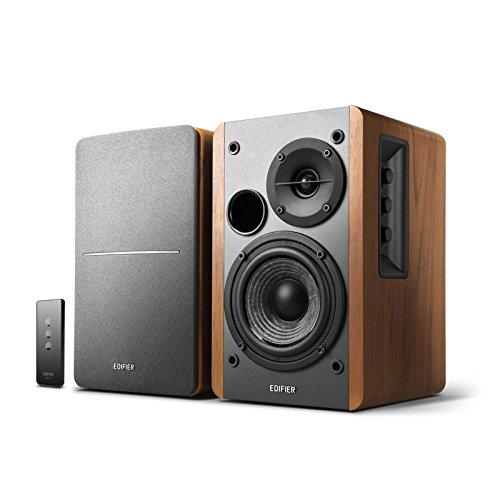
Preventing dust accumulation minimizes the frequency of physical cleaning cycles and extends driver life. Slipcovers made of breathable canvas or heavy vinyl shield cabinets from dirt, sunlight, and minor liquid spills during storage. Keeping amplifiers elevated on stands or casters keeps them away from floor-level dust and carpet lint. Similar care applies across audio setups, whether maintaining studio monitors, desktop audio setups and PC speakers, or heavy guitar cabinets.
Storage climate exerts a direct influence on paper cone durability and metal frame corrosion. Basements and garages with high relative humidity encourage mildew growth along the cone face and soften historic adhesives. Extreme temperature swings also cause condensation inside the voice coil magnet structure, accelerating rust formation on pole pieces. Storing your instrument gear in climate-controlled living areas prevents paper rot and maintains stable acoustic performance.
Magnetic safety represents an overlooked factor when cleaning or storing instrument speaker enclosures. Speaker magnets attract ferrous metal filings, steel wool fibers, and dropped screws from workbenches. These magnetic particles slide easily through frame vents into the voice coil gap, causing unfixable scraping sounds when the cone oscillates. Keep guitar cabinets far away from metal grinding areas and never use steel wool to polish speaker frames.
Differentiating Surface Grime from Internal Voice Coil Damage
Musicians often mistake cosmetic dust accumulation for mechanical speaker defects when diagnosing unusual buzzing sounds. Light surface dust on the cone face does not produce audible rattles, fuzziness, or frequency dropouts during regular playing. If your amplifier exhibits fuzzy distortion on clean notes, the underlying issue likely stems from voice coil rub rather than surface dirt. Identifying the actual source of the acoustic problem prevents unnecessary physical contact with the driver.
A gentle physical symmetry check helps confirm whether a speaker voice coil is dragging against the magnet. With the amplifier powered off, place two fingers evenly on opposite sides of the dust cap and press inward gently. The cone should travel smoothly without any audible scraping, grinding, or rough friction against the pole piece. Any scratching sound indicates that debris has entered the gap or the voice coil former has warped from overheating.
External variables such as dirty potentiometer knobs, worn input jacks, or loose cabinet hardware often mimic speaker rattles. Vibration from low guitar notes can rattle loose chassis screws or handle brackets against the wood shell. Cleaning control potentiometers with designated electrical contact cleaner resolves scratchy volume transitions without touching the speaker paper. Checking mechanical fasteners around the cabinet isolates cabinet rattles before you suspect driver degradation.
Maintaining Modern Portable and Mini Guitar Amplifiers
Compact practice units like the LEKATO Mini Guitar Amplifier AG-04 and the flatsons 10W Mini Guitar Amp feature small full-range drivers housed behind woven mesh. These rechargeable units pack Bluetooth wireless technology, auxiliary inputs, and headphone outputs into lightweight frames designed for travel. Because musicians take portable amps to parks, street corners, and rehearsal spaces, these enclosures encounter outdoor grit regularly. Keeping portable equipment clean ensures long-lasting battery reliability and unhindered sound projection.
Cleaning mini amplifiers requires keeping moisture away from sensitive charging ports and digital controls. Devices equipped with USB-C charging jacks and dual sound mode buttons must stay dry to prevent short circuits in internal lithium-ion batteries. Use a soft, dry toothbrush to clean out lint packed into the 3.5mm headphone jacks and auxiliary inputs. Similar caution is required when cleaning other wireless gear, such as portable Bluetooth audio gear used around the home.
Compact enclosures usually feature enclosed front baffles that make direct cone access difficult without full disassembly. Rather than dismantling mini practice amps, rely on regular exterior mesh brushing and light vacuum dusting. Keep the control knobs wiped down to prevent dust from working down into the gain and tone pots. Consistent exterior care keeps your portable rig ready for travel without risking damage to tiny internal speaker drivers.
Regular maintenance of guitar speakers protects your tonal clarity, preserves vintage value, and prevents avoidable component failures. Limiting your cleaning routine to dry camel hair brushes, microfiber cloths, and manual bulb blowers keeps paper cones safe. Never introduce liquid chemicals, heavy vacuum suction, or pressurized aerosol blasts to fragile speaker assemblies. Careful handling ensures that both compact practice amps and full-sized speaker cabinets deliver pristine clean tones and punchy overdrive for years to come.




Write Your Review
No reviews yet. Be the first to share your experience!