

Matching Amplifier Output to Speaker Wattage Safely
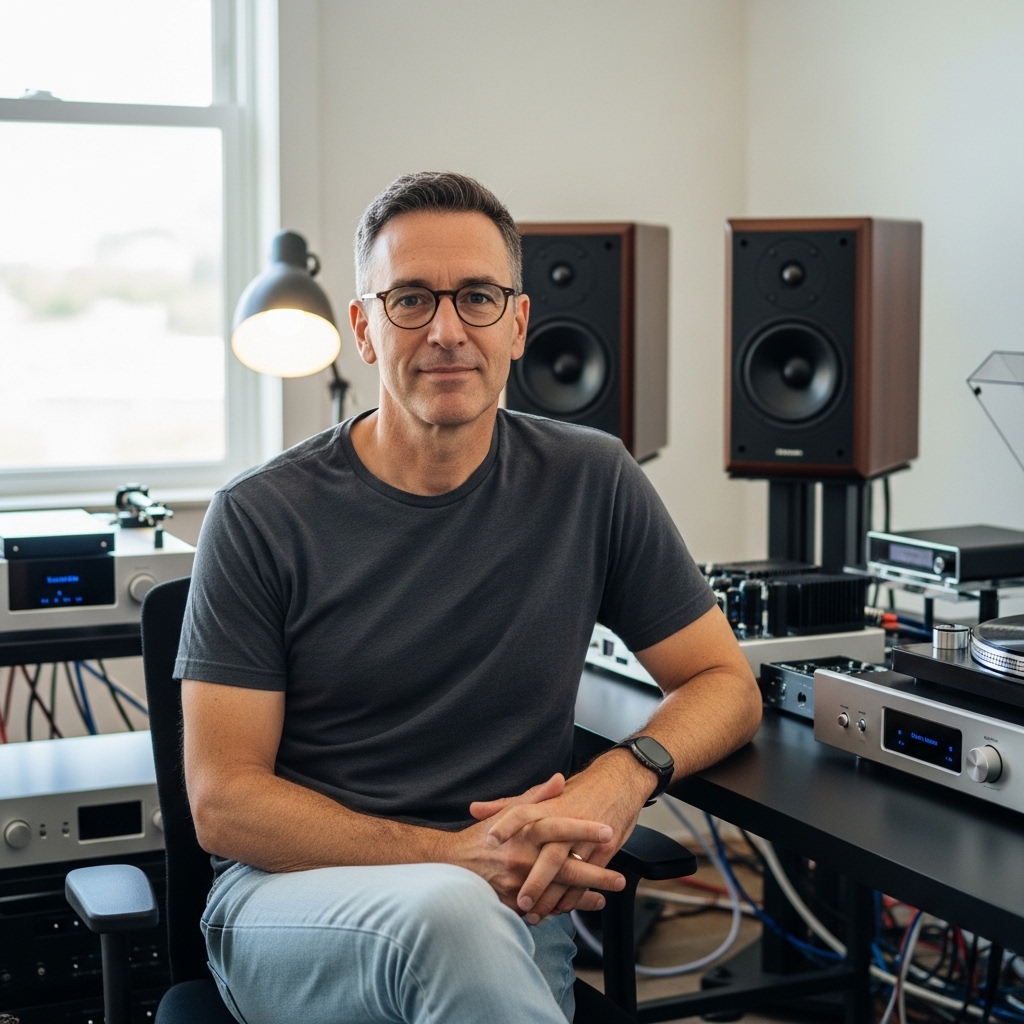
Speaker damage often happens when audio equipment operates outside its intended power tolerances, leaving owners worried about blown drivers or distorted audio. Connecting an amplifier with higher continuous output than a single cabinet requires careful attention to load distribution and volume levels. When you look into a pair 75w speakers 110w amp guide, understanding total power handling is key to avoiding equipment strain. If you run two 75-watt units together in stereo or parallel, their combined power handling provides adequate capacity for a 110-watt amplifier when impedance matches. Many audio fans reference setups like best home music speakers to balance clean output with safe limits.
Standalone speaker cabinets such as the Morgan Amps 112-75-watt 1×12″ Cabinet with G12H-75 from Morgan Amps show how designated driver ratings dictate proper amplification. The listed hardware features a 75-watt power specification paired with a 1×12-inch configuration. Using two such cabinets distributes the load, helping prevent thermal stress as long as the amplifier output is divided across both channels or wired properly. Always double-check manufacturer impedance requirements and wiring configurations before turning up the volume.

Frequently Asked Questions
Can a 110-watt amplifier safely power two 75-watt speakers?
Yes, a 110-watt amplifier can safely power two 75-watt speakers when they are set up properly. In a stereo configuration, a stereo amp rated at 110 watts total typically delivers 55 watts per channel, which falls safely below each 75-watt speaker rating. If running mono into a combined pair, the total handling capacity rises to 150 watts, easily accommodating a 110-watt source. You must always confirm that the speaker impedance matches the minimum load requirements of your amp.
What happens if an amplifier has more wattage than a single speaker?
Operating an amplifier with higher wattage than a speaker can cause thermal or mechanical damage if pushed to maximum volume. The speaker voice coil may overheat, or excessive cone travel can tear the suspension. However, moderate listening levels usually remain safe because amplifiers rarely output their maximum rated wattage continuously. Maintaining reasonable volume settings prevents severe distortion and protects components.
How does speaker impedance affect power matching in 2026?
Speaker impedance directly dictates how much electrical current an amplifier delivers to your drivers. Connecting two speakers in parallel halves the total impedance load, which forces the amplifier to generate more power and heat. Series wiring doubles the impedance, reducing total amplifier output. Verifying that the combined ohm rating matches the amplifier output specifications ensures stable operation without triggering safety shutdown circuits.
Does the Morgan Amps 112-75-watt 1×12″ Cabinet with G12H-75 support pairing?
The Morgan Amps 112-75-watt 1×12″ Cabinet with G12H-75 lists a 75-watt rating and can be paired alongside another cabinet if your amplifier supports dual speaker outputs. The product description does not specify onboard linking jacks, so you should check rear panel jacks before attempting daisy chaining. Using two matching cabinets shares amplifier wattage evenly across both units. For broader audio listening comparisons, listeners often explore configurations like best 2 1 speakers to understand channel separation.
Why is clipping dangerous when using a lower wattage amplifier?
Amplifier clipping occurs when an underpowered unit is pushed past its limit to produce louder sound, resulting in a clipped, square waveform. This distortion sends continuous high-frequency energy to drivers, which quickly overheats delicate speaker voice coils. Having adequate amplifier headroom helps ensure audio signals stay clean without driving the amplifier into harsh clipping territory. This makes a properly managed 110-watt amplifier safer than an overdriven low-wattage amplifier.



Write Your Review
No reviews yet. Be the first to share your experience!