
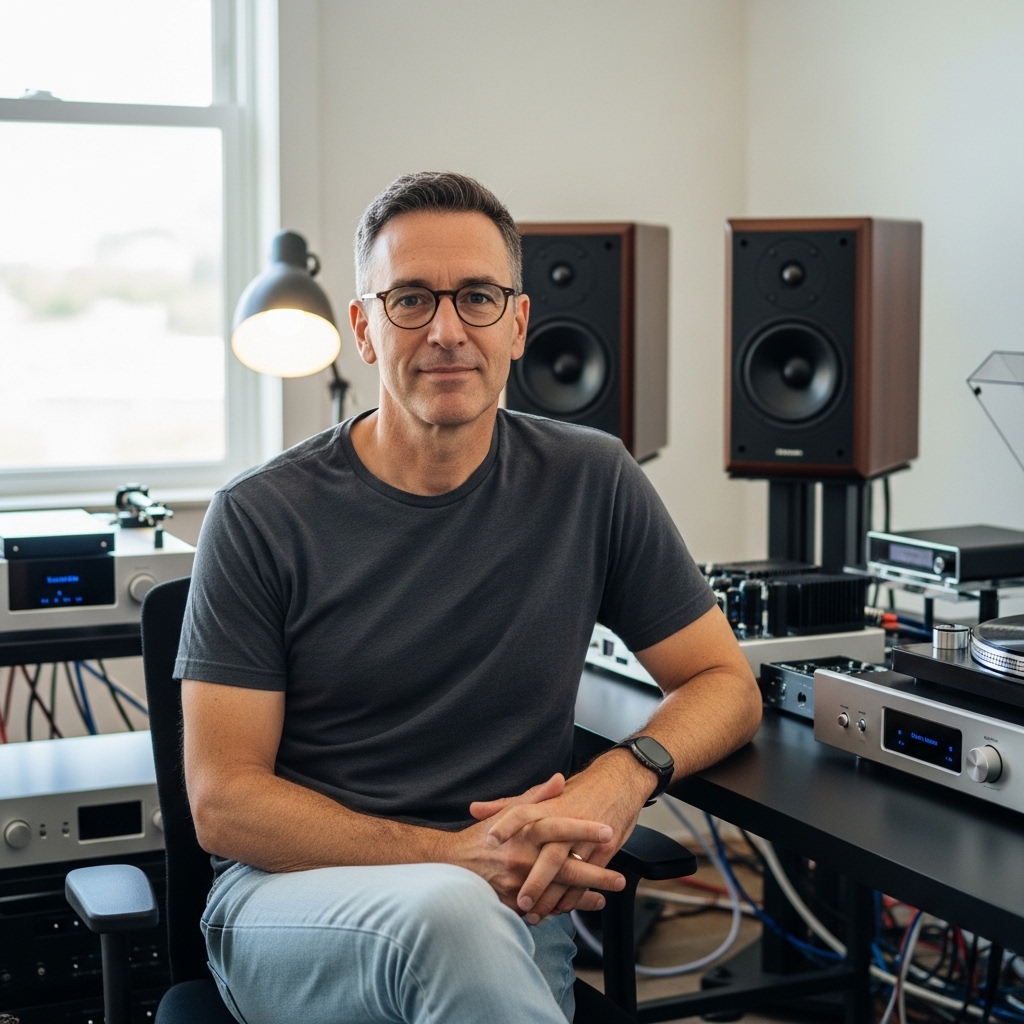

Building an immersive home theater often leads to questions about speaker assignments and channel roles, especially when transitioning to modern spatial audio formats. Dolby Atmos introduces overhead sound objects that elevate standard surround sound into a three-dimensional dome. Many home theater owners wonder, can i use bookshelf speakers for atmos without cutting holes into the drywall or purchasing niche hardware? The answer is an emphatic yes, provided you mount the cabinets at the correct height angles and power them properly through your audio video receiver.
Standard bookshelf units often feature broader frequency capabilities and superior driver construction compared to small in-ceiling drivers. While some listeners opt for dedicated height channel speakers designed specifically for upward bounce, utilizing traditional speakers mounted high on the wall can yield an exceptionally convincing height layer. The key lies in understanding whether your enclosures are passive or active, how to secure their physical weight, and how to calibrate your system receiver. By adhering to proper placement principles, repurposing standard speakers for spatial sound becomes an effective audio upgrade.

Pros
- 360-degree rotating brackets make sweet-spot acoustic positioning effortless
- Dedicated tweeter produces clear dialogue and detailed highs without harshness
- Ultra-compact footprint frees up valuable floor, desk, and shelf space
- Euroblock terminals make speaker wire connections quick and secure
Cons
- Requires a standalone AV receiver or power amplifier to operate
- Compact 3.5-inch woofers need an active subwoofer for deep low-end bass
- Designed strictly for indoor environments without outdoor weather resistance
The Rockville Cube 3.5-inch 2-Way Home Theater Wall Speakers deliver an ultra-compact acoustic solution for homeowners and commercial spaces seeking clean sound without bulky hardware. Featuring a discrete 3.5-inch paper cone woofer paired with a 0.5-inch PEI dome tweeter, each unit produces true two-way separation. This dual-driver design noticeably outshines single-cone full-range alternatives by maintaining clarity across vocal ranges and treble details.
These satellite speakers are specifically crafted for audio enthusiasts building dedicated 5.1 or 7.1 surround sound arrays, as well as business owners outfitting retail storefronts, boutique studios, and waiting rooms. Their minimalist cube silhouette and neutral black finish allow them to integrate seamlessly into residential living spaces or professional environments without drawing unwanted visual attention.
In practical listening environments, the Cube pair excels at dispersing sound smoothly across the listening area. The included mounting brackets feature a full 360-degree swivel mechanism, allowing you to fine-tune the dispersion angle down toward seating areas or across dining zones. When playing back cinematic audio tracks, dialogue remains sharply focused, while background ambient effects retain their intended spatial placement.
Overall, the Rockville Cube system represents a practical, high-value addition to any multi-channel audio setup. While low-end frequencies are naturally limited by the small enclosure size, matching these satellites with a powered subwoofer produces an expansive, balanced listening experience that outperforms its modest profile.
Acoustic performance on the Rockville Cube is defined by clean vocal articulation and pleasant high-frequency extension. The 0.5-inch PEI tweeter produces crisp instrument detail and intelligible movie speech without developing excessive sibilance at elevated volumes. Meanwhile, the 3.5-inch woofer capably handles the midrange spectrum, giving instruments and spoken words a natural, open body.
With a reliable 30W RMS rating at 8 ohms, this speaker pair comfortably reaches room-filling sound levels when driven by standard multi-zone amplifiers or AV surround receivers. While the physical size prevents thunderous sub-bass, the low-distortion crossover configuration ensures that pairing the unit with an external subwoofer creates a complete, highly engaging soundstage for gaming, movie nights, and background audio.
Crafted from rigid, impact-resistant ABS composite, each Rockville Cube speaker weighs just 1.32 pounds and measures an unobtrusive 4.13 inches on each side. A sturdy front mesh shield protects the sensitive paper cone and tweeter assembly from airborne dust, accidental bumps, and everyday wear, ensuring years of dependable operation in busy households and commercial venues.
Because these are wired passive architectural speakers, they bypass the limitations of battery-operated sound gear entirely. Drawing steady power directly through an AV receiver via commercial-grade Euroblock terminals, they eliminate recharge downtime, battery degradation, and mid-movie power loss. This continuous wired architecture guarantees non-stop, dependable playback day in and day out.

Pros
- Versatile connectivity options for turntables, phones, and PCs
- Powered design means no extra amp needed
- Bluetooth for quick wireless pairing
- Compact size ideal for desktop or small rooms
- High-fidelity audio reproduction
Cons
- Requires AC power outlet, not portable
- No app for EQ adjustments
- Limited to stereo pair without subwoofer for deeper bass
The Klipsch R-51PM are powered bookshelf speakers designed for audiophiles who want high-quality sound without the hassle of external amplifiers. Featuring Bluetooth wireless technology alongside phono/line inputs, 3.5mm mini jack, and USB digital connectivity, these speakers excel in home office environments, living rooms, or as desktop monitors for music lovers.
Ideal for vinyl enthusiasts thanks to the dedicated phono input with ground screw terminal, they handle everything from turntables to smartphones effortlessly. Real-world performance shines in delivering Klipsch's renowned dynamic sound, making them perfect for critical listening sessions or background music during work.
While compact, they punch above their size with clear highs and solid mids, though bass enthusiasts might pair them with a subwoofer. Overall verdict: a top choice for versatile, powered hi-fi on a desk or shelf, offering great value for US home audio setups.
Expect Klipsch's signature lively sound signature with punchy dynamics and clear vocals from the powered monitors. Bass is tight and controlled for bookshelf size, while highs sparkle without harshness, ideal for rock, jazz, or podcasts in home offices.
Volume levels reach party-ready without distortion, and Bluetooth range stays stable up to 30 feet in typical rooms. Multiple inputs ensure low-latency performance from any source, maintaining audio fidelity across Bluetooth streams or wired connections.
USB digital input supports high-res playback from computers, enhancing detail for audiophiles.
Sleek black bookshelf design blends into modern US homes or offices, with compact dimensions for easy placement on desks or shelves. Solid build quality ensures durability for daily use, though not rugged for outdoor adventures.
As powered speakers, they draw from AC outlets for unlimited playback, eliminating battery life concerns or recharging downtime. No IP rating means best kept indoors away from moisture.
Weight is manageable for one-person setup, with rear inputs and controls for clean cable management.

Pros
- Exceptional efficiency reduces strain on amplifiers
- Lifelike sound reproduction enhances movies and music
- Premium titanium tweeter and Cerametallic woofer build quality
- High output fills large rooms effortlessly
- Non-fatiguing sound signature for extended use
Cons
- Sold as single speaker, best in pairs for stereo
- Requires external amplifier for operation
- Bookshelf design not suited for portable use
The Klipsch Reference Series RB-81 II is a premium bookshelf speaker designed for serious home audio lovers. It stands out with its dynamic 1-inch titanium Linear Travel Suspension horn-loaded tweeter and an 8-inch high-output Cerametallic woofer, delivering sound that punches above its size. Packaged individually, it's perfect for building custom stereo pairs or integrating into surround sound systems.
This speaker targets audiophiles and home theater enthusiasts who demand accurate, detailed playback without fatigue. In real-world use, it excels in larger living rooms, transforming movie nights into cinematic experiences and making music feel live and engaging. Its efficient design means it thrives even with modest amplifiers.
Performance shines in dynamic tracks and action films, where the woofer handles bass impact while the tweeter keeps highs clear and extended. Build quality reflects Klipsch's heritage, with durable materials built to last.
Verdict: A top choice for high-fidelity home setups, offering pro-level sound at an accessible level. Pair it up for stunning results.
The RB-81 II boasts impressive bass depth from its 8-inch Cerametallic woofer, providing tight, controlled low-end that handles kicks and explosions with authority. Vocals come through with excellent clarity thanks to the horn-loaded tweeter, ensuring dialogue in movies and lead singers in tracks remain natural and forward.
Volume levels are generous, easily filling larger rooms without distortion, making it ideal for home theaters. The accurate sound signature avoids harshness, supporting long sessions of music or films. Efficiency allows high output from standard amps.
Overall, it delivers lifelike performances with balanced frequency response, excelling in dynamic content where detail and power meet seamlessly.
The sleek black bookshelf design fits neatly on stands or shelves, with a compact footprint that suits modern living spaces. Its robust Cerametallic woofer cone and titanium tweeter ensure durability for years of reliable use, though it's built for stationary home setups rather than on-the-go portability.
As a passive speaker, the RB-81 II requires no battery, eliminating charging concerns and allowing continuous play powered by your amplifier. This makes it ideal for dedicated audio systems where uninterrupted performance matters.
Weight and build prioritize stability and acoustics over lightness, with premium materials resisting wear. No IP ratings apply, as it's optimized for indoor home environments.

Pros
- Exceptional horn-loaded efficiency for high volumes
- Precise imaging and wide soundstage
- Durable spun-copper woofers handle demanding playback
- Versatile for music, movies, and hi-fi setups
Cons
- Requires external amplifier or receiver
- Rear-firing port needs space for optimal bass
- Not suited for portable or wireless use
The Klipsch R-51M bookshelf speakers come as a pair, designed for audiophiles who want punchy, live-like sound in a compact form. Featuring Tractrix horn technology and dual IMG woofers, they excel in home setups like living rooms or dedicated music spaces.
Ideal for rock, jazz, and movie enthusiasts, these speakers deliver energy and detail that make every track feel alive. Their high sensitivity means they pair well with entry-level amps for big sound without strain.
In real-world use, they shine with clear vocals and dynamic bass, creating an engaging soundstage. Setup is straightforward on shelves or stands, transforming ordinary listening into a concert experience.
Verdict: A top pick for value-driven hi-fi fans seeking Klipsch signature sound without breaking the bank.
Bass depth comes from the dual 5.25-inch spun-copper IMG woofers and rear bass-reflex port, providing tight, impactful lows that fill rooms without muddiness. Perfect for genres demanding rhythm and drive.
Vocal clarity stands out thanks to the 1-inch aluminum LTS tweeters and 90x90 Square Tractrix Horns, ensuring natural midrange and sparkling highs. Volume levels reach effortless peaks with high efficiency.
Performance focuses on wired hi-fi connections for stable, lossless audio, delivering wide dispersion and precise imaging for immersive home theater or stereo playback.
Sleek black finish and compact dimensions of 13.3 x 7 x 8.5 inches make the R-51M pair easy to place on bookshelves, stands, or AV racks. Solid MDF cabinets reduce resonance for clean sound.
Built for stationary home use with no IP ratings needed, they prioritize acoustic performance over portability. Rear-firing port requires a few inches of clearance for best bass response.
As passive speakers, no battery or charging is involved; they draw power from your amplifier for unlimited playback in permanent setups.
How to Use Bookshelf Speakers for Dolby Atmos Audio
The Direct Answer: When and How Bookshelf Cabinets Work for Atmos
You can definitely use bookshelf speakers for Dolby Atmos setups, but they must be deployed in specific functional roles. Dolby Atmos relies on overhead audio metadata to steer sounds like rainfall, helicopters, and ambient room echoes above the listening position. Traditional bookshelf enclosures work remarkably well when mounted high on front or rear walls as height channels, or suspended safely as on-ceiling monitors. They cannot simply be placed at ear level and assigned as height speakers, because the spatial illusion depends on distinct physical elevation.
Audio receivers process Dolby Atmos signals by separating traditional bed channels from dedicated elevation objects. When you assign standard speakers as height channels in the receiver menu, the processor routes specific vertical sound cues directly to those units. Because many traditional bookshelf designs utilize high-grade components like rigid woofers and horn-loaded tweeters, they can render vertical effects with impressive clarity. The critical challenge is positioning them at angles that match Dolby guidelines while maintaining safe, stable installation practices.
How Dolby Atmos Height Channels Differ from Bed Channels
Traditional surround sound layouts like 5.1 and 7.1 operate entirely on a horizontal plane around your seating area. Dolby Atmos adds a third dimension by incorporating height channels, represented by the third number in configurations like 5.1.2 or 7.1.4. In these layouts, the height speakers handle discrete audio objects rather than standard ambient bed tracks. This means the speakers do not need to produce thunderous low-end bass, but they do require clear midrange reproduction and precise treble response.
Using standard bookshelf units as height channels often provides better dynamic range than budget in-ceiling alternatives. Many compact ceiling drivers struggle with thin midrange reproduction due to restricted enclosure volumes inside drywall. A well-built bookshelf enclosure features an acoustically engineered cabinet volume that supports natural vocal echoes and dynamic impacts. As long as the receiver knows where the speakers are placed, the Atmos processing engine will steer sound objects accurately across your room.
Passive vs Powered Bookshelf Speakers: The Critical Receiver Connection
One of the most important technical distinctions in this project involves passive versus powered speaker designs. An AV receiver outputs high-level amplified speaker signals through traditional binding posts to power passive speakers. Passive models, such as the Klipsch R-51M Bookshelf Speaker (Pair), Black, connect directly to the height speaker terminals of an Atmos-capable receiver using ordinary speaker wire. These passive models rely entirely on the receiver internal amplifier to drive their woofers and tweeters.
In contrast, active or powered speakers contain their own internal amplification circuitry and require a line-level signal. For instance, the Klipsch R-51PM Powered Bluetooth Speaker,Black includes its own built-in amplifier, volume controls, and analog or digital inputs. You cannot connect the amplified speaker outputs of an AV receiver into the inputs of a powered speaker without risking severe equipment damage. Powered monitors can only serve as Atmos height channels if your AV receiver features dedicated multi-channel pre-amplifier outputs, which are typically found on higher-tier processors.
For most home theater owners with standard seven-channel or nine-channel receivers, passive bookshelf units are the only practical choice. Attempting to use Bluetooth or wireless powered speakers introduces audio latency that disrupts Atmos spatial timing. Passive connections eliminate delay and ensure that room correction microphones can measure distances accurately. Always check the rear panel of your receiver and speakers before finalizing your system layout.
Wall-Mounted Height Placement vs In-Ceiling Installation
When using bookshelf speakers for Atmos, wall mounting is generally the most realistic and structurally sound method. Installing standard wooden bookshelf cabinets directly onto a ceiling drywall surface presents major mechanical and aesthetic challenges. Instead, Dolby specifications officially support Front Height and Rear Height configurations positioned high on room walls. In this arrangement, you mount the cabinets near the ceiling boundary and angle them downward toward the primary listening position.
Compact satellite enclosures simplify this installation considerably compared to full-sized bookshelf cabinets. The Rockville Cube Black 3.5″ 2-Way 8-Ohm Home Theater pair features included 360-degree swivel wall brackets that allow for direct aiming at the seating area. Because each cabinet weighs just over one pound, mounting them high on wall studs carries minimal structural risk. Their compact ABS enclosures blend unobtrusively into room corners while delivering true two-way sound separation.
Front Height placement creates a seamless vertical soundstage that connects directly with your front soundstage. When sounds pan upward from your center channel during an explosion or flying sequence, the high-mounted bookshelf catches the trajectory naturally. Rear Height placement provides a matching vertical boundary behind the seating area, completing the three-dimensional dome. This approach avoids the need to cut holes in ceiling joists while still delivering authentic Atmos height cues.
Why You Should Not Use Regular Bookshelf Speakers for Ceiling Bounce
A common question among home theater enthusiasts is whether a standard bookshelf speaker can simply be tipped backward on a shelf to bounce sound off the ceiling. Purpose-built upward-firing Atmos modules use special acoustic properties that traditional speakers do not possess. When shopping for audio components, listeners often compare standard cabinets with specialized upward firing models that are specifically engineered for indirect ceiling reflections. Tipping a regular bookshelf speaker upward rarely delivers the intended 3D audio effect.
Dolby Atmos-enabled bounce modules incorporate a custom head-related transfer function filter, often called an HRTF notch filter. This specialized acoustic curve boosts certain frequencies and cuts others to fool the human brain into hearing overhead sounds. Furthermore, standard bookshelf speakers feature wide horizontal and vertical dispersion patterns designed to fill a room. When you point a regular wide-dispersion speaker at the ceiling, much of the sound energy travels directly to your ears before bouncing, ruining the spatial illusion.
To achieve convincing ceiling reflections, a speaker requires directional baffles and tailored crossover filtering. Regular bookshelf units lack these directional constraints and will merely flood the front of the room with unfocused treble. If you choose to use traditional bookshelf speakers for Atmos, you should always mount them in an elevated position aimed down at your seats. Physical elevation delivers direct, uncompromised height effects without relying on unpredictable ceiling reflectivity.
Weight, Bracket Security, and Structural Mounting Safety
Safety is the most critical consideration when suspending large audio equipment above head level. Full-sized bookshelf speakers can weigh anywhere from ten to thirty pounds, making them dangerous if improperly secured. For example, a heavy-duty single monitor like the Klipsch Reference Series RB-81 II Bookshelf houses an eight-inch woofer inside a massive wooden cabinet. Mounting a speaker of that size on a wall requires commercial-grade steel articulation brackets anchored directly into solid wall studs.
Never rely on simple plastic drywall anchors when mounting medium or large bookshelf enclosures. Vibration from low-frequency movie tracks can gradually loosen screws over months of use, increasing the risk of structural failure. When securing heavier speakers, use heavy lag bolts driven directly into the center of wooden framing studs. If proper structural anchoring is impossible in your room, consider using high corner shelving rather than hanging brackets.
Lightweight two-way speakers offer a much safer alternative for elevated height positions. Smaller cabinets reduce physical strain on mounting plates and drywall anchors during energetic playback sessions. If your chosen speakers do not feature factory threaded mounting inserts, use clamp-style side-grip wall brackets rather than drilling into the cabinet walls. Preserving the structural integrity of the speaker box maintains internal acoustic damping and prevents air leaks.
Port Design, Dispersion, and Cabinet Acoustic Considerations
The acoustic design of a bookshelf speaker cabinet significantly influences how it performs near a wall or ceiling. Many traditional speakers, such as the Klipsch R-51M, utilize a rear-firing bass-reflex port to extend low-frequency response. When you mount a rear-ported cabinet flush against drywall, the boundary blocks the airflow escaping the port tube. This restriction can cause unwanted bass bloat, port turbulence, and cabinet resonance that muddy the clarity of height cues.
If you mount rear-ported bookshelf speakers high on a wall, ensure the bracket leaves several inches of breathing room behind the enclosure. Alternatively, front-ported speakers or sealed acoustic suspension designs perform much more predictably when placed against room boundaries. Front-firing ports, like those found on certain larger reference enclosures, direct port air straight into the room rather than into the wall. Sealed designs avoid port interactions entirely, making them naturally suited for corner or wall mounting.
High-frequency dispersion is another acoustic factor that determines how clearly height cues reach your ears. Speakers equipped with directional horn tweeters focus sound energy directly along their axis of fire. This controlled dispersion reduces unwanted acoustic reflections off adjacent ceiling and side-wall surfaces. By aiming the horns directly at the main listening position, you maximize the clarity and localization of subtle atmospheric sounds.
Receiver Configuration, Channel Assignment, and Calibration
Connecting bookshelf speakers physically is only half the battle; proper receiver setup is equally essential. In your AV receiver setup menu, navigate to the speaker configuration screen and assign the relevant amplifier channels to height duties. You must designate whether the speakers are configured as Front Height, Top Front, Top Middle, or Rear Height. Selecting the accurate physical position ensures the Atmos decoder applies the correct spatial panning algorithms.
Setting the crossover frequency correctly protects your height speakers and optimizes system headroom. Because height channels rarely receive deep sub-bass frequencies, set the receiver crossover for these channels to eighty hertz or higher. With smaller drivers like three-and-a-half inch woofers, raise the crossover point to one hundred or one hundred twenty hertz. Directing the deep bass to your powered subwoofer prevents smaller drivers from distorting during high-volume cinematic peaks.
After setting initial assignments, always run your receiver automated acoustic room calibration program. Modern calibration systems like Audyssey, YPAO, or Dirac measure the exact distance and delay between each height speaker and your ears. The software adjusts output levels to compensate for the greater distance between elevated speakers and your seating area. Proper calibration ensures that sounds transition smoothly between ground-level surround speakers and your high-mounted bookshelf units.
Practical Takeaways for Integrating Bookshelf Speakers into 3D Audio
Using bookshelf speakers for Dolby Atmos is a versatile, cost-effective way to achieve genuine three-dimensional sound. You avoid cutting holes in your ceiling while gaining superior driver dynamics over tiny in-ceiling speakers. The key technical rule is to rely on passive speakers that match your receiver impedance and amplifier capabilities. Keep powered speakers on standalone stereo duties unless you have specialized pre-amplifier hardware.
Always prioritize safety by matching speaker weight to heavy-duty mounting hardware secured into wall studs. Angle the cabinets downward toward your ears and calibrate your receiver processing with an automated setup microphone. When positioned and tuned with care, traditional bookshelf cabinets deliver a remarkably lifelike, immersive dome of sound. This approach provides cinematic height audio that rivals dedicated architectural installations.




Write Your Review
No reviews yet. Be the first to share your experience!