


Wireless audio setups in modern living spaces often run into small output limitations from standard smart hub speakers. When default voice hardware sounds thin, many listeners wonder if can you link a bluetooth speaker to alexa to create a fuller soundstage. Yes, you can readily connect an external Bluetooth speaker directly through the Alexa app to stream your playlists, podcasts, and daily flash briefings with much richer acoustic authority. Setting up this connection bypasses standard plastic hub drivers and routes voice output straight to high-fidelity standalone hardware.
The process works by pairing your external wireless unit as the default audio output for an Echo device, or by utilizing standalone models that feature voice assistant protocols built right into their enclosure. Many users configure a dual speaker setup across living spaces to enjoy balanced acoustic depth without running complicated audio cables across the floor. Understanding your hardware connections ensures stable Bluetooth playback, minimal wireless lag, and hassle-free daily voice commands.

Pros
- Powerful bass and detailed highs from dual tweeters and large passive radiator
- Versatile connectivity including Bluetooth, Wi-Fi, and multi-room support
- Intuitive controls and app for personalized sound adjustments
- Stylish retro build with premium materials and comfortable handle
Cons
- No waterproof or dustproof rating, best for indoor or dry outdoor use
- 8-hour battery may require recharging for extended all-day events
- Larger size limits ultra-portability compared to smaller Bluetooth options
The JBL Authentics 300 is a portable speaker that blends retro styling with modern audio tech, featuring a cast-aluminum handle, leather-like enclosure, and Quadrex grille for a premium look that complements any home decor.
It's designed for music lovers who want powerful sound for house parties, casual gatherings, or moving audio from room to room. With stereo output, Wi-Fi streaming, and voice assistant support, it shines in multi-room setups via Alexa or Google Home apps.
In real-world use, it fills medium to large spaces with balanced audio, where the woofer and passive radiator provide thumping bass without muddiness, and tweeters ensure clear vocals. Bluetooth pairing is quick, and the JBL One app adds EQ tweaks for tailored listening.
Overall, this speaker excels for those prioritizing style, connectivity, and home-focused performance, earning high marks for its versatile, crowd-pleasing sound.
Expect deep, room-shaking bass from the 5.25-inch woofer paired with a 6.5-inch passive radiator, delivering punchy lows perfect for bass-heavy genres like hip-hop or EDM without overpowering mids.
Vocal clarity shines through 25mm tweeters, keeping details crisp even at high volumes, with stereo sound filling spaces evenly for an immersive experience during parties or movie nights.
Bluetooth offers stable pairing up to 30 feet, while Wi-Fi options like AirPlay and Chromecast ensure glitch-free streaming over longer distances, supporting high-res audio from services like Spotify.
The retro-inspired design uses durable materials like a leather-like enclosure and metal handle, making it sturdy for home use but not ruggedized with any IP rating for water or dust exposure.
Weighing in as a mid-sized portable unit, the integrated handle makes carrying simple for short trips around the house or patio, though it's better suited for semi-stationary setups than backpacking.
Battery life hits 8 hours on a charge, ideal for full-day home sessions, with quick recharging to minimize downtime; pair multiple units for synchronized playback across rooms.

Pros
- Exceptionally wide, room-filling soundstage courtesy of patented Trillium acoustic engineering.
- Versatile wireless options including Apple AirPlay 2, Wi-Fi casting, and Bluetooth.
- Clear far-field voice recognition with a dedicated hardware mute button for privacy.
- Convenient rear USB port charges smartphones and tablets during playback.
Cons
- Requires constant connection to a wall outlet as it does not include an internal battery.
- Compact footprint limits true sub-bass extension in very large, open-concept living spaces.
- Lacks an analog auxiliary input for connecting legacy wired audio sources.
The RIVA Concert is a compact, high-performance wireless smart speaker engineered to bridge the gap between audiophile-grade acoustic fidelity and everyday convenience. Operating as a capable alternative to mainstream smart speakers, the Concert leverages RIVA's proprietary audio architecture to eliminate the narrow, directional sound typical of standard single-box designs.
Designed for listeners who refuse to sacrifice acoustic clarity for voice-assisted utility, the speaker integrates seamlessly into contemporary streaming setups. Support for Apple AirPlay 2, Spotify Connect, and Wi-Fi streaming means you can effortlessly transition from your favorite morning news podcast to high-resolution afternoon playlists. Alexa integration responds promptly to ambient voice commands across the room, making smart home adjustments quick and natural.
In real-world testing, the Concert shines in vocal reproduction and instrument separation. While many lifestyle speakers resort to bloated bass processing to sound powerful, RIVA focuses on clean dynamics, articulate mid-tones, and an expansive stereo field. It easily fills standard bedrooms, home offices, and kitchens with vibrant, detailed sound.
Overall, the RIVA Concert is an impressive addition to any connected home. If you want a voice-enabled, multiroom-ready speaker that prioritizes authentic musicality, balanced output, and flexible streaming protocols, it stands as an outstanding sonic choice.
At the core of the RIVA Concert is the company's patented Trillium audio technology, paired with six custom precision drivers and 50 watts of clean amplification. This arrangement delivers a remarkably natural frequency response: mid-range vocals and guitars sit forward in the mix with lifelike warmth, while high frequencies remain crisp and airy without edging into harshness or fatigue.
Bass response is tight, balanced, and punchy. Rather than artificially boosting mid-bass frequencies to fake depth, the enclosure provides an honest low-end foundation that keeps complex jazz arrangements and modern rock rhythms distinct. While it will not shake the foundation like a dedicated external subwoofer, its bass impact remains exceptionally tidy for its physical footprint.
Soundstage representation is where the Concert truly differentiates itself. By processing audio channels through left, right, and center acoustic outputs, the speaker creates an unexpectedly wide listening zone. You do not have to sit dead-center to enjoy convincing stereo imaging, and the speaker maintains clean, distortion-free output even when pushed to room-filling volume levels.
Measuring approximately 4.87 by 5 by 7 inches and weighing 3 pounds, the RIVA Concert sports a sleek, vertical tower silhouette finished in an elegant white aesthetic. Its compact footprint sits comfortably on nightstands, countertops, and bookshelves, blending cleanly into contemporary home decor without demanding excessive real estate.
Hardware connectivity centers on modern wireless convenience, featuring dual-band Wi-Fi for multiroom and high-resolution playback alongside Bluetooth for quick guest pairing. Physical controls on the top panel provide tactile access to volume, playback, and input switching when you prefer not to use voice controls or smartphone apps.
Everyday convenience extends to thoughtful back-panel utility. A dedicated microphone mute switch provides complete peace of mind whenever privacy is preferred, and an integrated USB-A charging port allows you to top off your smartphone or tablet while streaming your favorite playlists. The system receives continuous firmware updates over-the-air to ensure ongoing compatibility and performance.
How to Link a Bluetooth Speaker to Alexa and Optimize Your Audio Setup
Yes, you can link a Bluetooth speaker to Alexa to dramatically improve the volume, clarity, and bass depth of your smart home audio. Amazon Echo devices feature built-in Bluetooth transceivers capable of transmitting audio directly to compatible external wireless speakers. Alternatively, you can choose smart speakers that incorporate Alexa voice services directly inside their own hardware. Understanding these two distinct methods allows you to select the ideal hardware configuration for your room size, listening habits, and everyday convenience.
Two Distinct Ways to Connect Bluetooth Audio with Alexa
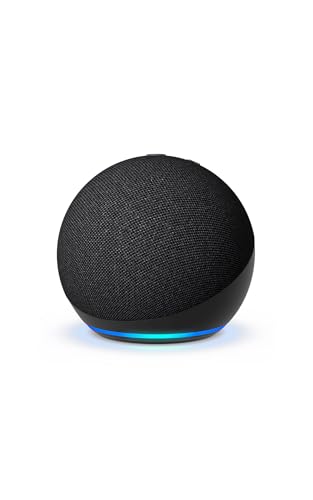
Connecting external wireless sound to Amazon’s voice assistant generally happens through two separate approaches. The first method uses a standard Amazon Echo device as the primary controller, transmitting its audio output wirelessly to any standard Bluetooth speaker. In this scenario, the Echo’s microphones capture your voice commands, while the paired Bluetooth unit handles playback duties for music, alarms, and voice replies. This setup works exceptionally well if you already own a favorite portable speaker and want to upgrade the modest acoustic output of a compact Echo Dot.
The second approach involves choosing an advanced speaker that contains Alexa built directly into its internal processing architecture. Instead of relying on a separate Echo unit to route audio signals, these all-in-one smart speakers feature built-in microphone arrays along with high-grade acoustic drivers. They connect directly to your local Wi-Fi network for voice assistant functions while simultaneously maintaining Bluetooth capabilities for local device streaming. This design eliminates the need for two separate pieces of hardware cluttering your shelf or tabletop.
Step-by-Step Guide: Pairing an External Bluetooth Speaker to an Echo Device
Pairing your standalone Bluetooth speaker to an existing Amazon Echo device requires only a few minutes through the mobile Alexa app. Before opening the application, place your Bluetooth speaker within close range of your Echo device and switch it into pairing mode. Most portable speakers signal pairing mode with a flashing light indicator or a distinct chime. Keeping the two devices within three to five feet during initial pairing helps prevent radio frequency interference from disrupting the discovery process.
Next, launch the Alexa app on your smartphone or tablet and navigate directly to the Devices tab. Select your specific Echo device from the list, tap the settings gear icon, and locate the Bluetooth Connections menu option. Choose the prompt to pair a new device, which prompts your Echo to scan for nearby active Bluetooth signals. When your speaker appears on the screen, tap its name to establish the wireless handshake. Once connected, your Echo will announce the successful link, and all future audio will automatically route through the external speaker.
After completing the initial setup, managing daily playback becomes straightforward through quick verbal commands. You can simply state, “Alexa, connect my speaker,” whenever you power on the external unit. If you want audio to revert back to the internal Echo driver, telling the assistant, “Alexa, disconnect,” severs the link immediately without unpairing the profile. Remembering to power off your external speaker when not in use preserves battery life and stops unintended reconnections when you walk within range.
Built-In Alexa Speakers vs Standard Bluetooth Connections
While transmitting audio from an Echo to a basic Bluetooth speaker solves volume limitations, dedicated smart speakers with built-in voice processing offer several distinct acoustic advantages. When you stream from an Echo over standard Bluetooth, audio undergoes wireless compression that can shave off subtle dynamic nuances. In contrast, smart speakers with integrated Wi-Fi stream directly from high-resolution cloud music servers, reserving Bluetooth for direct phone pairing. This architecture delivers uncompressed digital streams while keeping voice recognition responsive.
The RIVA Concert Smart Wi-Fi Bluetooth Speaker exemplifies this integrated design by combining built-in Alexa with robust audio engineering. It utilizes a far-field microphone array to pick up voice commands across noisy rooms, backed by 50 watts of output and six precision drivers. Thanks to its patented Trillium audio technology, it provides a balanced stereo soundstage without requiring an auxiliary Echo puck. Furthermore, it supports wireless streaming over Wi-Fi, AirPlay 2, and Bluetooth, while including a physical microphone mute button for privacy and a USB charging port for mobile accessories.
Similarly, the JBL Authentics 300 Portable Wireless Bluetooth represents a premium hybrid solution that blends classic design with versatile smart integration. It features dual 25mm tweeters, a 5.25-inch woofer, and a 6.5-inch passive radiator housed in a retro enclosure with a cast-aluminum handle and Quadrex grille. This speaker allows listeners to run Alexa alongside Google Assistant simultaneously, providing unmatched voice control flexibility. If you are comparing brand options, exploring our JBL speaker lineup and pricing guide can help you evaluate how different tiers balance portable design with acoustic output.
Audio Quality, Latency, and Wireless Range Considerations
When you link an external speaker via standard Bluetooth transmission, several physical and technical variables impact sound consistency. Bluetooth signals typically maintain reliable communication within a thirty-foot radius, but physical barriers like drywall, concrete, and large metal appliances can degrade signal stability. Placing your Echo device and external speaker too far apart often results in annoying audio dropouts or stuttering playback. Maintaining a clear line of sight between both devices provides the cleanest wireless transfer and preserves steady bitrates.
Wireless latency represents another key factor to consider during Bluetooth playback. Because the Echo must capture the audio stream, encode it into a Bluetooth transmission, and send it to your speaker, a slight audio delay can occur. While this sub-second latency is virtually imperceptible when listening to music playlists or audiobooks, it can create a noticeable sync mismatch if you attempt to pair an Echo to an external speaker while watching video content on an associated screen. For dedicated video audio, direct wired AUX cables or synchronized Wi-Fi protocols generally deliver superior synchronization.
Codec compatibility also influences the ultimate clarity of your wireless music playback. Most Echo devices transmit audio using the universal Subband Codec (SBC), which provides stable connectivity across virtually all modern hardware but lacks high-resolution bitrates. High-end speakers with advanced driver configurations can reproduce whatever signal they receive, yet the source Bluetooth codec remains the limiting ceiling. Listeners who prioritize pristine high-fidelity dynamics often prefer using Wi-Fi streaming directly on smart speakers rather than compressing audio across a secondary Bluetooth link.
Multi-Room Music and Synchronized Playback Limitations
One of the most frequent frustrations buyers encounter involves Amazon’s Multi-Room Music (MRM) system. Under standard Alexa operating guidelines, an Echo device grouped into a Multi-Room Music setup cannot output its audio over a secondary Bluetooth connection. Amazon intentionally restricts Bluetooth output during synchronized multi-room playback because Bluetooth latency varies unpredictably between different speaker brands. Without millisecond-accurate sync across every unit, playback across adjoining rooms would produce jarring audio echoes and phasing artifacts.
Fortunately, speakers with native Wi-Fi integration and direct Alexa Multi-Room Music support bypass this restriction completely. For example, the JBL Authentics 300 supports Alexa MRM natively over home Wi-Fi networks, allowing you to synchronize multiple compatible speakers throughout different rooms using the Alexa app. Because the audio streams across high-bandwidth Wi-Fi rather than localized Bluetooth, every room remains perfectly in phase. If you plan to entertain guests across large indoor areas or outdoor patios, checking out Bluetooth speakers designed for large spaces can help you identify high-output models capable of filling expansive layouts.
If you rely strictly on a standard Bluetooth speaker without Wi-Fi support, you will need to assign that speaker to a dedicated single-room setup. In this configuration, you can direct music to that individual room group, while keeping other Echo hubs independent. While this setup does not provide synchronized whole-home audio, it ensures stable, dropout-free playback for the specific zone where your high-output speaker is positioned. Assessing your home audio layout before buying determines whether basic Bluetooth routing or integrated Wi-Fi multiroom capabilities better match your lifestyle.
Troubleshooting Disconnections and Multipoint Conflicts
Occasional connection drops can interrupt your listening session if your speaker settings or local network encounter common configuration hurdles. The most frequent culprit behind dropped links is an aggressive auto-shutoff timer built into many portable Bluetooth speakers. When no audio plays for ten or fifteen minutes, battery-saving firmware automatically powers the speaker down, severing the link to your Echo device. When you issue a new voice command, audio abruptly routes through the quiet internal Echo speaker because the paired external unit is asleep.
Multipoint connection conflicts also create persistent pairing friction in busy households. If your portable Bluetooth speaker is paired to your smartphone, laptop, and an Echo device simultaneously, source priority battles can occur. When your smartphone receives an incoming notification or phone call, the speaker may forcibly disconnect from the Echo to prioritize the handset. To maintain an uninterrupted smart home connection, you may want to unpair personal mobile devices from that specific speaker or disable automatic reconnection on your secondary electronics.
Resolving persistent pairing failures usually requires clearing the stored Bluetooth cache in both the speaker and the Alexa app. Inside the Alexa application, select your Echo, tap Bluetooth Devices, choose the problematic speaker, and tap the option to forget the device. Next, perform a factory reset or memory clear on your speaker according to the manufacturer guide to erase previous device pairings. Rebooting your Echo unit by disconnecting its power cable for thirty seconds before re-pairing often clears hidden firmware cache errors and restores dependable connectivity.
Important Hardware Features for Voice Assistant Audio
Selecting the right external speaker to accompany Alexa depends heavily on your daily listening routines and placement preferences. If you plan to keep your speaker parked permanently on a kitchen counter or bookshelf, dedicated AC wall power eliminates the hassle of tracking battery levels. Models like the RIVA Concert Smart Wi-Fi Bluetooth Speaker remain continuously plugged in and ready to respond, while offering a handy USB passthrough port to charge your phone or tablet on the same counter space. This constant power availability prevents power-save sleep modes from interrupting your morning routine.
Conversely, listeners who enjoy taking their audio to the patio, garage, or backyard require robust internal battery architecture alongside wireless flexibility. The JBL Authentics 300 bridges this gap by pairing a retro aesthetic and cast-aluminum handle with a built-in battery delivering eight hours of playtime. Its dedicated on-speaker rotary knobs allow you to adjust master volume, bass, and treble levels on the fly without reaching for your phone or interrupting your voice assistant. Having tactile EQ dials ensures you can fine-tune bass response to match different acoustic environments instantly.
Physical microphone mute switches represent another essential feature if you opt for a smart speaker with built-in voice assistance. When private conversations or family gatherings occur, toggling a hardware disconnect physically shuts off microphone power for complete peace of mind. Both dedicated smart speakers and paired Bluetooth units should also feature durable enclosures that resist dust and minor splashes if placed near kitchen sinks or outdoor dining tables. Balancing acoustic output, power options, and intuitive control layout guarantees a satisfying, long-lasting audio upgrade.
Linking an external Bluetooth speaker to Alexa transforms modest smart voice hardware into a powerful, room-filling sound system tailored to your home. Whether you pair an existing portable unit through the Alexa mobile app or invest in a hybrid Wi-Fi smart speaker with voice control built inside, the acoustic benefits are immediate and substantial. By verifying line-of-sight placement, managing Bluetooth sleep timers, and understanding multi-room streaming rules, you can enjoy seamless voice control alongside rich, balanced music every day.




Write Your Review
No reviews yet. Be the first to share your experience!