


Car audio enthusiasts who push heavy wattage into custom sound setups frequently encounter mechanical fatigue or burnt voice coils after intense listening sessions. When output cuts out or begins to buzz, audio builders immediately wonder: can u rebilud deaf bonce machete speakers, or is buying a brand new replacement the only realistic solution? The answer depends heavily on the specific driver format, as heavy-duty subwoofers with bolted or standardized frames offer different restoration paths compared to compact midrange or coaxial drivers.
Drivers engineered for high-output mobile audio endure extreme thermal dissipation and mechanical stress over extended play. While premium bass drivers often support complete recone assemblies, standard car audio door drivers and coaxial speakers typically use stamped baskets with permanent adhesives that complicate repairs. Before investing time or money into replacement voice coils and spiders, evaluating the physical damage, component availability, and repair feasibility will help protect your audio budget. Whether you are troubleshooting high-efficiency pro-audio midranges or comparing aftermarket component speakers for a vehicle upgrade, knowing your restoration options keeps your audio system running at peak capability.



Assessing Speaker Rebuild Feasibility and Practical Restoration Options
Determining whether a damaged Deaf Bonce driver can be rebuilt begins by classifying the exact speaker type and the specific nature of the failure. Car audio enthusiasts asking can u rebilud deaf bonce machete speakers are usually dealing with either a locked voice coil on a subwoofer or a distorted midrange driver in a high-volume door setup. While full rebuilds are physically possible on many audio drivers, the real question is whether replacement parts exist and whether the financial investment makes practical sense. Understanding the fundamental distinction between subwoofers and smaller drivers clarifies your path forward.
Subwoofers Versus Coaxial and Midrange Drivers
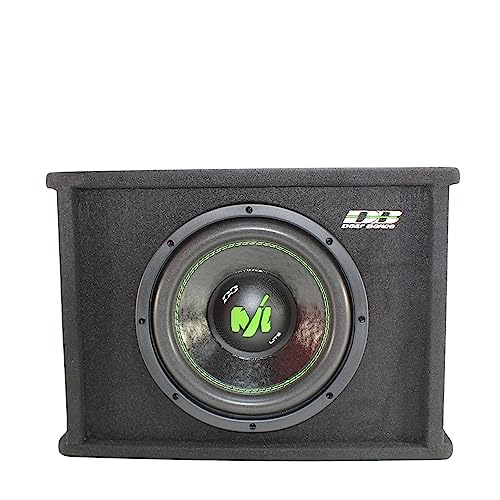
Subwoofers in the Deaf Bonce Machete lineup feature substantially larger voice coils, robust magnetic motors, and modular construction. These heavier low-frequency drivers, such as the Machete eight-inch dual voice coil subwoofer, generate intense excursion that places continuous mechanical load on spiders and surrounds. Because the motor assembly represents a major portion of the driver’s total value, aftermarket fabricators and repair specialists frequently support subwoofers with drop-in recone kits. A complete recone kit replaces the entire moving assembly, preserving the costly magnet structure and basket while restoring factory output.
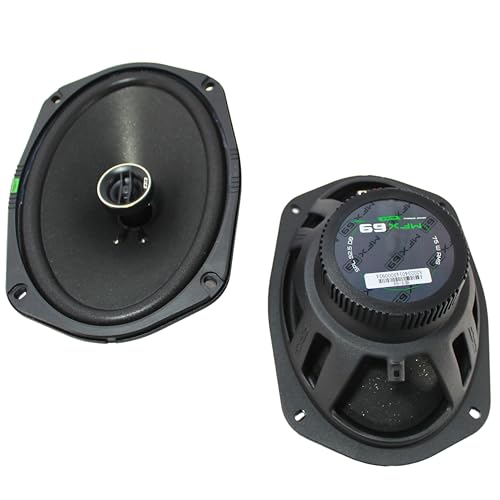
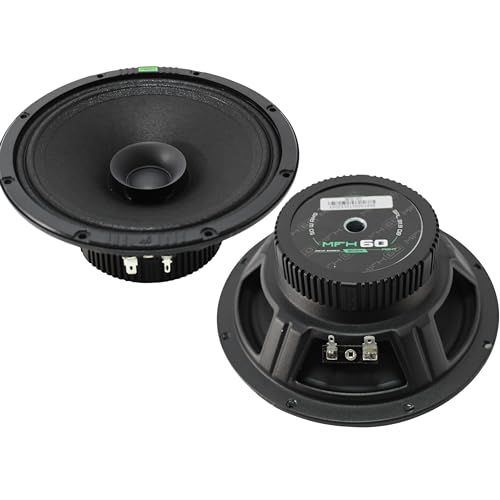
In contrast, wide-range midranges and coaxial speakers in the Machete family operate under completely different construction standards. Drivers like the Machete 5.2-inch, 6.5-inch, or 6×9 coaxial designs rely on compact stamped steel frames and tightly pressed voice coil gaps. Factory replacement soft parts for these smaller models are virtually nonexistent because the units are assembled with machine-applied industrial adhesives. Attempting to recone a compact coaxial speaker requires cutting away permanent glue joints without distorting the stamped metal frame, which rarely yields satisfactory acoustic results.
Identifying What Can and Cannot Be Rebuilt on Machete Drivers
Before ordering replacement parts or stripping a driver down to its frame, you must accurately diagnose the failure point. Voice coil thermal failure is the most common issue in high-output car audio systems. When a voice coil overheats from sustained amplifier clipping, the enamel insulation melts, causing adjacent windings to short together or deform physically. If the cone cannot move freely when pressed gently and evenly with your fingers, or if you feel a scratchy resistance, the voice coil has deformed and requires a full recone or replacement.
Mechanical damage represents another category of failure that may or may not require a complete rebuild. A separated dust cap or a torn foam or paper surround can often be patched or reglued without removing the voice coil. However, if the spider has torn loose from the basket landing or the triple joint has cracked, the entire alignment of the moving assembly is compromised. In these scenarios, attempting a partial patch rarely holds up to high excursion, making a full recone the only durable restoration method.
The Anatomy of a Machete Rebuild: Essential Components and Tolerances
Every dynamic speaker rebuild centers around five core moving components that must align within thousandths of an inch. The voice coil former holds the copper or aluminum windings precisely suspended inside the narrow magnetic gap of the motor. Supporting the former at the base is the spider, a resin-treated woven fabric suspension that centers the coil and provides linear restoring force. Above the spider sits the cone body, which pushes air to generate sound waves, attached to the outer frame via a flexible surround.
Maintaining tight mechanical tolerances is critical during any rebuild process. In high-power Machete drivers, the clearance between the voice coil winding and the magnetic pole piece is exceptionally tight to maximize magnetic flux density. If the voice coil sits even slightly tilted, the windings will rub against the steel pole piece during heavy excursion, rapidly abrading the insulation and causing an electrical short. Professional rebuilders use precision alignment shims inserted between the coil former and the pole piece to lock the gap geometry before applying any adhesive.
The adhesive chemistry used during assembly plays an equally important role in survival under demanding conditions. Standard household epoxy or general superglue fails under the intense thermal cycling and shear forces generated by high-power mobile audio. Specialized rubber-toughened cyanoacrylate glues, two-part structural epoxies, and dedicated spider landing adhesives must be used to bond the components securely. These compounds withstand heat transfer from the voice coil without softening, keeping the cone and suspension intact during high-output playback.
Sourcing Rebuild Kits and Compatible Aftermarket Parts
Finding factory-original recone assemblies for entry-level and mid-tier Machete drivers can present a challenge. While Deaf Bonce supplies direct replacement assemblies for their competition-grade Apocalypse series, the Machete line often requires sourcing custom aftermarket soft parts. Specialty car audio repair vendors offer custom drop-in kits matched to common motor configurations, basket bolt patterns, and voice coil diameters. When searching for compatible parts, you must verify the inner and outer coil diameter, winding height, spider landing diameter, and cone depth.
Impedance configuration is another critical specification that must match your amplifier setup. A driver like the Machete eight-inch dual voice coil subwoofer typically comes in dual 2-ohm or dual 4-ohm options. Purchasing an aftermarket recone kit with an incorrect winding impedance will alter your final wiring load, potentially overloading your amplifier or limiting power delivery. Always measure the motor gap depth and match the voice coil former height to ensure the driver retains its intended mechanical excursion and magnetic linearity.
Step-by-Step Overview of the Speaker Reconing Procedure
The rebuild process begins with complete deconstruction of the damaged moving assembly. Using a sharp utility knife or razor blade, cut the cone surround away from the outer basket flange and slice through the outer edge of the spider. Desolder the flexible tinsel leads from the input terminals, allowing you to lift the damaged cone, spider, and voice coil out of the frame. Once the old assembly is removed, thoroughly scrape away all remaining adhesive, foam residue, and paper remnants from the basket landings until you reach bare, smooth metal.
Cleaning the magnetic gap is the most crucial preparatory step before installing new components. Even microscopic metal shavings or dried glue flakes trapped inside the gap will destroy a fresh voice coil within seconds of operation. Fold a strip of masking tape with the sticky side facing outward and slide it repeatedly through the gap around the entire circumference of the pole piece. Continue this process with fresh pieces of tape until the adhesive comes out completely free of debris. Once clean, place painter’s tape over the opening until you are ready to insert the new coil.
Assembly begins by positioning plastic alignment shims inside the voice coil former and sliding the coil over the center pole piece. Adjust the coil height so that the windings sit centered relative to the magnetic top plate. Next, test-fit the spider and cone to ensure they sit flush against their respective basket landings without binding or stretching. Apply a continuous bead of specialized spider adhesive to the lower landing, press the spider into position, and secure the voice coil to the spider neck joint using structural epoxy.
After the lower suspension cures, attach the cone body and glue the outer surround to the upper basket rim using flexible surround adhesive. Route the flexible tinsel leads through the cone and solder them securely to the basket terminals, leaving sufficient slack to allow unrestricted cone excursion. Check the DC resistance across the terminals with a digital multimeter to confirm proper coil continuity before pulling out the alignment shims. Finally, seal the assembly by gluing a dust cap over the voice coil opening, which prevents airborne dirt from entering the magnetic gap.
Minor Repairs That Do Not Require a Full Teardown
Not every speaker problem demands a full teardown and recone process. A rattling or buzzing noise often stems from a simple loose dust cap rather than internal motor failure. If the voice coil still moves smoothly without rubbing and shows correct electrical resistance, you can reglue a detached dust cap using a thin bead of black rubberized speaker adhesive. Weighting the cap down with a small, centered object while the glue sets ensures an airtight seal that eliminates unwanted vibrations.
Small punctures or tears in wide-range paper cones can also be repaired successfully without disassembling the driver. Applying a flexible speaker cone patching compound or flexible fabric cement across the back of the tear restores structural integrity without adding significant moving mass. For torn tinsel leads on midranges, carefully resoldering high-flex copper braid while maintaining proper terminal clearance can restore audio without replacing the entire speaker. These minor interventions extend driver lifespan at minimal expense.
When Replacement Makes Better Financial and Acoustic Sense
While rebuilding subwoofers is often cost-effective, smaller drivers present a completely different economic equation. A pair of entry-level wide-range Machete drivers or compact coaxial car speakers can often be purchased new for less than the cost of custom soft parts, adhesives, and alignment tools. Spending hours laboring over a stamped steel frame rarely justifies the effort when a brand new, factory-aligned unit provides reliable performance right out of the box. Audio enthusiasts must weigh the total investment of time, supplies, and potential failure against modern replacement costs.
Acoustic performance also suffers when non-standard parts are forced into smaller driver frames. Unlike high-fidelity traditional stereo loudspeakers that use carefully tuned crossovers and compliant surrounds, mobile pro-audio drivers rely on precise cone weight and spider compliance for their distinct vocal punch. If an aftermarket recone changes the moving mass or voice coil inductance, the speaker’s frequency response will deviate noticeably from its matching companion driver. In multi-speaker door arrays, running unmatched drivers creates phase issues and uneven output.
Preventing Voice Coil Failure and Mechanical Damage
Preventing future speaker failures is far more practical than continually rebuilding or replacing damaged drivers. Most thermal burnout stems from incorrect amplifier gain staging, where an installer pushes an amplifier into heavy clipping to achieve higher volume. Clipped waveforms deliver continuous direct-current heating to voice coil windings without the mechanical motion required to pump cooling air through the motor vents. Setting amplifier gains accurately using an oscilloscope or distortion detector protects voice coils from destructive thermal runaway.
Proper crossover filtering is equally essential for preserving wide-range and coaxial speakers. Sending low-frequency bass signals below a driver’s natural mechanical cutoff forces excessive excursion that tears spiders and crashes voice coils against backplates. Configuring high-pass filters on midranges and subwoofers prevents over-excursion and keeps moving assemblies operating within their linear travel limits. Combining clean amplifier signal with conservative crossover points ensures your Deaf Bonce audio gear performs reliably across years of demanding use.
Addressing speaker restoration requires balancing mechanical feasibility against realistic replacement economics. While Deaf Bonce Machete subwoofers can certainly be rebuilt using appropriate drop-in recone kits and strict alignment tolerances, smaller wide-range and coaxial drivers are best replaced with fresh factory units. By diagnosing the root cause of driver failure, verifying component availability, and setting proper crossover filters, you can keep your car audio system delivering clean, dynamic sound without unnecessary repair headaches.


Write Your Review
No reviews yet. Be the first to share your experience!