


Setting up home audio equipment often starts with high expectations for room-filling sound, yet confusing speaker terminals and pairing procedures can quickly create frustration. Whether you are assembling a traditional surround-sound system or upgrading vehicle sound, knowing how to connect polk audio speakers ensures every channel delivers clean, distortion-free audio. Audio enthusiasts integrating passive cabinet units alongside dedicated stereo loudspeakers for home listening often encounter different connection protocols across various amplifier terminals. Taking time to map each audio source to its corresponding output prevents common setup headaches before any signal travels through the wire.
Polk designs equipment ranging from passive bookshelf and center channel speakers to specialized wireless surrounds and marine-certified coaxial units. Because each speaker category demands a specific connection method, matching your hardware to the appropriate source is essential. For instance, passive speakers require external amplification through dedicated audio receivers, while wireless models communicate directly with compatible soundbars. Understanding the precise electrical and wireless requirements protects your audio gear while establishing a reliable foundation for great sound.

Pros
- Exceptional marine durability with IP56 rating and coated baskets
- Wide 40-22kHz frequency response for full-range sound
- Built-in crossover optimizes highs and lows for balanced output
- Strong rubber surround boosts bass response
- Simple mounting for quick custom installs
Cons
- Requires an external amplifier for full power potential
- Wired coaxial design lacks wireless Bluetooth convenience
- Best suited for powered systems, not plug-and-play portables
The Polk Audio DB652 are 6.5-inch 2-way coaxial marine speakers designed for car audio and boat systems, featuring a rugged polypropylene woofer and silk dome tweeter for high-quality sound in harsh environments. Marine enthusiasts and car audio upgrade seekers will appreciate their IP56 certification, which protects against splashes, salt-fog, UV exposure, and humidity, making them ideal for freshwater boats, ATVs, and off-road vehicles.
In real-world use, these speakers excel at delivering loud, clear audio with punchy bass during weekend boating trips or long drives. The Dynamic Balance technology uses laser imaging to minimize distortion, ensuring every note from rock anthems to country tunes comes through cleanly even at high volumes.
Installation is straightforward with provided mounting hardware and stylish grilles that enhance your vehicle's interior. Overall, the DB652 offer pro-level performance at an accessible level, earning a strong recommendation for anyone building a resilient audio setup that withstands the elements.
With a 40-22kHz frequency response, the DB652 speakers produce deep, rumbling bass from the 6.5-inch woofer and sparkling highs via the 3/4-inch silk dome tweeter, creating a balanced sound signature perfect for open-air boating or car doors. The built-in crossover directs frequencies efficiently, handling 100W RMS and up to 300W peak for room-filling volume without breakup.
Polk's proprietary Dynamic Balance ensures resonance-free playback, delivering vocal clarity that cuts through engine noise or waves. Users report consistent performance across genres, with strong low-end punch ideal for bass-heavy tracks during tailgates or marine adventures.
The DB652 boast a rugged black design with coated steel baskets and IP56 marine certification, shrugging off freshwater splashes, salt-fog, UV rays, and humidity for reliable use on boats or ATVs. The compact 6.5-inch size fits standard door or deck mounts, with included hardware simplifying installs.
Though not battery-powered, these 4-ohm speakers thrive on continuous amp power, supporting extended sessions without fade. Their durable rubber surrounds and polypropylene cones maintain integrity over time, offering long-lasting build quality for weekend warriors who demand toughness over portability.

Pros
- Exceptional clarity and balance from Dynamic Balance drivers
- Strong bass performance for passive bookshelf speakers
- Versatile mounting options for custom home setups
- Reliable build from a renowned audio brand
- Easy integration into expanding surround systems
Cons
- Requires an AV receiver or amplifier - not powered standalone
- Best performance in smaller rooms or as part of a full system
- No wireless connectivity - wired setup only
The Polk Audio T15 bookshelf speakers are a fantastic entry point for anyone diving into home theater or stereo audio. This pair features a 0.75-inch tweeter and 5.25-inch Dynamic Balance driver, delivering rich, immersive sound with deep bass that's surprising for their size. Wall-mountable and compact, they slot perfectly as front, surround, or stereo speakers.
Ideal for beginners or those refreshing their setup, the T15 shines in living rooms or apartments where space is at a premium. Connect them to your AV receiver with basic speaker wire, and enjoy clear vocals, detailed highs, and punchy lows during movies or music. Polk's 50-year legacy ensures reliability and quality you can trust.
In real-world use, they handle Dolby and DTS surround formats effortlessly, making action scenes come alive with balanced audio. While great standalone, they invite expansion to a full 5.1 system with T50 towers or a subwoofer for even more impact. Overall verdict: A smart, affordable choice for high-quality home audio without complexity.
Expect clear, balanced sound from the T15's precision drivers, with the 5.25-inch woofer providing deep bass response that fills rooms without distortion, even at moderate volumes. Vocals stand out crisp and natural, making dialogue in movies easy to follow during home theater sessions.
These speakers excel in surround setups, handling Dolby and DTS formats for immersive audio experiences. Volume levels scale well for apartments or family rooms, delivering detailed highs from the 0.75-inch tweeter without harshness. As passive units, performance shines when paired with a quality AV receiver.
Low-volume listening retains bass depth and clarity, perfect for late-night movies or background music. They maintain stability across frequencies, offering a neutral sound signature that adapts to various genres from rock to classical.
The T15 boasts a sleek black finish and compact bookshelf design, measuring ideally for shelves or stands without dominating space. Wall-mountable brackets make installation flexible for front, rear, or height channels in home theaters.
Built with durable materials from Polk's proven engineering, these speakers withstand everyday home use. Lightweight construction simplifies setup, though exact weight suits easy handling by one person.
As passive speakers, they require no battery or charging - power comes directly from your AV receiver for unlimited playback. This wired design ensures consistent performance without recharges, focusing energy on pure audio delivery.
Pros
- Exceptional vocal clarity for dialogue-heavy content
- Punchy bass response from tuned rear port
- Easy plug-and-play installation with any AV receiver
- Full-range sound from dual woofers and silk dome tweeter
Cons
- Requires an AV receiver for power, not standalone
- Wired connection limits placement flexibility
- Single speaker, best paired with matching surrounds
Pros
- Superior driver alignment for accurate sound imaging
- High-gloss finish matches modern home theater aesthetics
- Silk dome tweeter ensures fatigue-free listening
- Dynamic Balance drivers minimize distortion
- Versatile for center channel in surround setups
Cons
- Limited deep bass due to compact 2.5-inch woofers
- Requires connection to an AV receiver or amp
- Sold as single unit, best paired with matching speakers
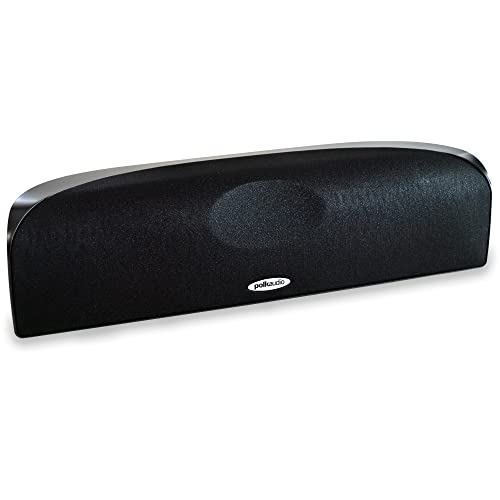
The Polk Audio TL1 is a dedicated center channel speaker designed to anchor your home theater system. It features Time Lens technology that aligns the drivers for exceptional soundstaging and imaging, ensuring dialogue and on-screen action feel precisely placed. With a 1/2-inch silk dome tweeter and dual 2-1/2-inch Dynamic Balance mids/woofers, it punches above its size in delivering clear vocals and balanced sound.
Ideal for American movie buffs and TV enthusiasts setting up affordable surround sound, the TL1 excels in living rooms where space is at a premium. It integrates smoothly into systems with Polk's other TL series speakers, creating a cohesive front soundstage for everything from Netflix binges to sports nights.
In real-world use, it shines with sharp dialogue clarity during complex scenes, making characters' voices stand out without overpowering effects. While not the deepest bass machine, its focus on mids and highs makes it a smart pick for dialogue-driven content.
Verdict: A reliable, budget-friendly center speaker that elevates home theater performance without complexity. Perfect if you want pro-level imaging on a realistic spend.
The TL1's Time Lens technology optimizes driver alignment for outstanding soundstaging, placing voices and effects exactly where they should be on screen. The silk dome tweeter handles highs with smoothness and detail, ensuring crisp dialogue that cuts through even in noisy action sequences.
Dual 2-1/2-inch Dynamic Balance mids/woofers deliver solid vocal clarity and midrange punch, ideal for movie soundtracks and TV shows. Volume levels scale well for medium rooms, maintaining composure without harshness, though it relies on your receiver for power.
Performance is wired and stable, with no dropouts, focusing on accurate imaging over raw power. Bass is tight but not booming, prioritizing clarity for home theater immersion.
The TL1 boasts a sleek, curved enclosure with a high-gloss black finish that complements today's flat-panel TVs and modern decor. Its compact footprint makes it easy to shelf-mount or place directly below your screen without dominating the setup.
Rugged enough for everyday home use, the enclosure minimizes resonances for cleaner sound. No IP rating needed indoors, but its polished build resists fingerprints and adds a premium feel to your theater.
As a passive speaker, there's no battery or charging involved; it draws power from your AV receiver for endless playback. Weight is manageable for easy positioning, focusing on style and integration over portability.

Pros
- Hassle-free wireless pairing with compatible soundbars
- Versatile placement options for shelf or wall
- Custom-tuned drivers produce room-filling big sound
- Dedicated L/R labeling for accurate surround setup
- Transforms soundbar into full home theater system
Cons
- Requires specific Polk React or Magnifi soundbar for use
- Not standalone; must pair with compatible front soundbar
- No app control or advanced customization options
The Polk Audio SR2 wireless surround speakers are rear channels designed exclusively for Polk React and Magnifi soundbars, creating a complete wireless home theater system. These speakers connect effortlessly to your soundbar, adding depth and immersion to TV watching without running wires across the room.
Ideal for American families craving cinematic experiences at home, the SR2 suits living rooms where space is at a premium. Place them on shelves or mount on walls using the included template for flexible setups that fit any decor.
In real-world use, the built-in amps and 3-inch drivers deliver powerful, balanced surround sound that pulls you into action movies and concerts. Setup takes minutes, with clear left/right labels ensuring proper placement for optimal audio.
Verdict: A smart upgrade for Polk soundbar owners seeking true surround without complexity. Perfect for weekend movie marathons, delivering value through simplicity and performance.
The SR2 speakers shine with custom-tuned 3-inch drivers powered by built-in amps, producing big, room-filling sound ideal for immersive home theater. Bass depth adds punch to explosions and music beats, while mids and highs maintain clarity for dialogue and vocals.
Volume levels handle large spaces without distortion, creating a wide soundstage that envelops listeners. Wireless connectivity ensures stable performance up to typical room distances, with no lag for synced audio during fast-paced scenes.
Best for movies and TV, the surround effect excels in action films, making you feel part of the scene without overpowering the main soundbar.
Compact and sleek, the SR2 speakers blend into any room with simple shelf placement or secure wall mounting via the included template. Sturdy build supports multiple orientations, with clear L/R labels for foolproof installation.
No battery needed; these powered speakers draw continuous AC power for unlimited playback during long movie sessions or parties. Weight is manageable for easy handling and mounting.
While not rugged for outdoors, the design prioritizes indoor reliability with wireless freedom, avoiding cable clutter for a clean, modern living room look.
Connecting Polk Audio Speakers Across Different Audio Systems
Connecting Polk speakers properly depends primarily on identifying whether your specific model is passive, active, or wireless. Passive models such as traditional bookshelf monitors and center channel speakers rely on standard speaker wire driven by an external receiver or amplifier. In contrast, wireless surround units synchronize through direct radio frequencies with compatible soundbars, while mobile and marine speakers attach to automotive wiring harnesses. Establishing a reliable physical or wireless audio connection requires careful attention to polarity, signal matching, and device settings.
Identifying Passive, Wireless, and Automotive Polk Speaker Configurations
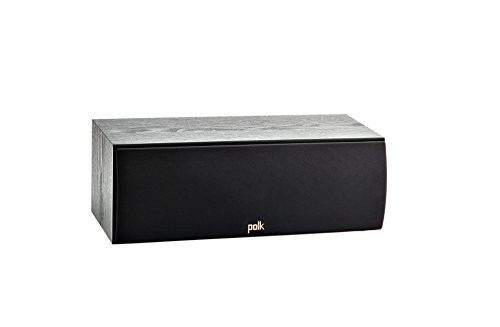
Before stripping wires or powering on electronics, you must determine the operating architecture of your Polk speakers. Traditional models like the Polk Audio T15 Home Theater and Stereo Bookshelf pair and the Polk Audio T30 Home Theater Center Channel Speaker are entirely passive components. They do not plug into an electrical wall outlet and have no internal amplification. Instead, they feature rear terminal posts that accept amplified speaker signals sent from a multi-channel AV receiver or integrated stereo amplifier.
Other products in the Polk catalog serve completely different installation environments and require distinct audio feeds. The Polk Audio SR2 Wireless Surround Sound Speakers operate with built-in internal amplifiers and connect cordlessly to compatible soundbars like the Polk React or MagniFi series. Meanwhile, coaxial drivers such as the Polk Audio DB652 DB+ Series 6.5 Inch Marine speakers are designed for four-ohm automotive and boat installations. Connecting an unamplified line-level cable to a passive speaker will result in complete silence, whereas feeding speaker-level power into a line-level jack can permanently destroy your equipment.
Wiring Passive Bookshelf Speakers to an AV Receiver
Connecting passive bookshelf speakers like the Polk Audio T15 Home Theater and Stereo Bookshelf starts with power management. Always ensure your AV receiver or stereo amplifier is completely powered off and unplugged from the wall before handling any wiring. Stripping approximately one-half inch of insulation from both conductors of your speaker wire exposes clean copper strands for insertion. Twist the exposed strands tightly to prevent loose stray wires from bridging across adjacent binding posts, which can cause an electrical short circuit.
Polarity is critical when securing your speaker cables to the binding posts on both the receiver and the speaker cabinet. Connect the positive terminal, marked with red plastic or a plus sign, on the receiver to the corresponding red positive terminal on the back of the speaker. Repeat the identical process for the negative black terminal using the second conductor in the paired cable. Most Polk cabinets use threaded collars over a pass-through hole, though you can also insert banana plugs straight into the terminal caps for a secure, modular connection.
Connecting and Calibrating Dedicated Center Channel Speakers
Dialogue clarity in a home theater system relies heavily on the center channel, making proper physical connection vital. Units such as the Polk Audio T30 Home Theater Center Channel Speaker and the compact Polk Audio TL1 Center Channel Speaker connect directly to the dedicated center speaker terminals on your receiver. Run a two-conductor wire between the receiver center channel output and the rear binding posts of the center speaker cabinet. Ensure the red positive lead connects to red and the black negative lead connects to black without touching adjacent metal surfaces.
Positioning and receiver calibration directly influence how your connected center speaker performs during intense movie playback. Place the speaker horizontally, centered directly above or below your television screen, ideally tilted slightly upward toward ear height. Once wired, access the speaker configuration menu on your AV receiver and configure the center channel size as small if you operate an active powered subwoofer. The Polk Audio T30 Home Theater Center Channel Speaker is timbre-matched to blend with T-series bookshelf models, while the compact Polk Audio TL1 Center Channel Speaker often benefits from a slight volume boost in the receiver settings to maintain dialogue presence.
Pairing Polk SR2 Wireless Surround Speakers with Soundbars
Setting up wireless surround channels requires a completely different approach than wiring traditional passive cabinets. The Polk Audio SR2 Wireless Surround Sound Speakers are engineered specifically to complement select Polk soundbars, such as the React and MagniFi series. These surround units eliminate the need to run long audio cables across your living room floor, communicating instead over a dedicated wireless link. Unlike standalone portable Bluetooth speaker setups that connect directly to mobile phones, these rear surrounds pair exclusively with their companion soundbar hub.
Begin setup by placing each designated left and right surround speaker slightly behind or to the sides of your primary listening area. Connect the included power adapters to each surround enclosure and plug them into nearby wall outlets, observing the slow pulse of the rear indicator light. Press and hold the sync button on your compatible Polk soundbar until its status lights confirm pairing mode, then press the sync button on each SR2 unit. The indicator lights on both surround speakers will turn solid once the wireless handshake completes, allowing you to control surround balance directly through your soundbar remote.
Installing and Wiring Marine and Vehicle Coaxial Speakers
Mobile and marine audio installations demand specific electrical awareness and moisture-resistant wiring techniques. The Polk Audio DB652 DB+ Series 6.5 Inch Marine speakers feature an IP56 marine certification, making them suitable for boats, golf carts, and off-road vehicles as well as standard car doors. While similar in purpose to aftermarket component audio upgrades in vehicles, these two-way coaxial units integrate the tweeter and woofer into a single drop-in chassis. Their four-ohm nominal impedance is tailored specifically to match automotive head units and dedicated marine amplifiers.
Wiring these coaxial speakers requires identifying the positive and negative quick-disconnect spade terminals mounted on the speaker basket. Typically, the positive terminal is noticeably wider than the negative terminal to prevent accidental polarity reversal during installation. Crimp marine-grade female spade connectors securely onto your vehicle speaker harness wires, ensuring you slide heat-shrink tubing over each joint. Position the supplied mounting gasket between the speaker basket and the baffle surface to keep water out, then tighten the mounting screws in an alternating pattern to avoid flexing the frame.
Choosing Speaker Wire Gauge and Terminal Connectors
Selecting the appropriate gauge of speaker wire ensures full dynamic range and prevents unwanted signal loss over longer cable runs. For typical indoor installations running under thirty feet to bookshelf models like the Polk Audio T15 Home Theater and Stereo Bookshelf, standard 16 AWG oxygen-free copper wire delivers clean performance. If your speaker wire must travel longer distances through walls, attics, or large living spaces, stepping up to a thicker 14 AWG or 12 AWG cable minimizes electrical resistance. Using undersized wire over long distances can dampen bass control and slightly reduce high-frequency clarity.
Termination hardware also influences connection reliability, physical convenience, and long-term durability. Bare wire insertion is simple and economical, but exposed copper can oxidize over time or fray if cables are moved frequently. Adding gold-plated banana plugs protects copper strands from atmospheric corrosion while making receiver management far more convenient. In automotive or marine installations with the Polk Audio DB652 DB+ Series 6.5 Inch Marine drivers, insulated spade terminals with adhesive-lined heat-shrink sleeves provide the vibration resistance needed on rough roads or open water.
Receiver Configuration and Impedance Matching
Proper physical wiring must be accompanied by accurate settings within your audio source to achieve balanced sound reproduction. Modern AV receivers feature speaker setup menus that allow you to define speaker distances, channel levels, and crossover points. When connecting compact models like the Polk Audio TL1 Center Channel Speaker or Polk Audio T15 Home Theater and Stereo Bookshelf, configure their respective receiver channels as small. Setting an eighty-hertz or one-hundred-hertz high-pass crossover directs demanding low bass to an active subwoofer while shielding smaller drivers from mechanical strain.
Amplifier impedance matching is another critical parameter that protects your equipment from overheating and sudden shutdown cycles. Most home theater speakers in the Polk T-series operate comfortably within standard six-ohm to eight-ohm nominal impedance ratings, aligning seamlessly with mainstream commercial receivers. However, automotive coaxial models like the DB652 carry a four-ohm rating designed for vehicle electrical systems. Connecting four-ohm speakers to an entry-level home receiver that is only rated for eight-ohm loads can draw excessive current, which risks triggering the receiver thermal protection circuitry.
Diagnosing Common Connection and Phase Problems
Troubleshooting connection problems systematically helps isolate whether a fault originates in the speaker, the wire, or the source amplifier. If a passive speaker produces no sound after setup, first inspect the receiver output channel assignments and verify that the corresponding speaker selector switch is active. Check both ends of the speaker wire to confirm that the binding posts are clamped down firmly on bare copper rather than on outer insulation jacket. Swapping an unresponsive speaker to a known working channel on the receiver quickly determines whether the issue stems from the speaker or the amplifier channel.
Weak bass response, hollow midrange, and diffuse sound staging often indicate an out-of-phase wiring condition between stereo channels. If one speaker has its positive and negative terminals reversed relative to the other, the acoustic waves emitted by the woofers cancel each other out in the room. Double-check the color-coded stripes or molded ridges along your speaker cable jackets to verify that positive leads attach consistently to red terminals at both ends. For wireless models like the Polk Audio SR2 Wireless Surround Sound Speakers, resolving dropouts usually involves clearing line-of-sight obstructions and keeping high-traffic Wi-Fi routers several feet away.
Placement, Wall Mounting, and Cable Management
Physical placement influences the listening experience just as heavily as clean electrical connections. Passive bookshelf units like the Polk Audio T15 Home Theater and Stereo Bookshelf include integrated rear keyhole slots that allow secure wall mounting. When hanging speakers on drywall, always anchor into wall studs or utilize heavy-duty hollow-wall anchors rated well above the weight of the cabinet. Leave at least an inch or two of clearance between the rear bass port and the wall surface to prevent turbulent, boomy bass reflections from overwhelming your audio mix.
Center channel speakers like the Polk Audio T30 Home Theater Center Channel Speaker and Polk Audio TL1 Center Channel Speaker should rest on a solid, resonance-free shelf directly below the video display. Angle the front baffle upward toward the primary listening ear height if the shelf sits significantly lower than seated head level. Running speaker cables neatly along baseboards or inside surface raceways protects the jackets from foot traffic, vacuum cleaners, and household pets. Ensuring cables remain unpinched and free from sharp bends preserves internal copper strands and prevents intermittent signal dropouts.
Final Verification and Channel Balancing
Completing your installation involves methodical verification before settling in for normal music or home theater playback. Power on your audio receiver or soundbar at low initial volume levels to confirm that all connected channels produce sound without distortion, buzz, or hum. Many AV receivers feature a built-in test tone generator that sends pink noise sequentially to each connected speaker channel. Listening to each channel in order confirms correct left, center, right, and surround routing without requiring an external media player.
Once you confirm clean signal distribution, play a familiar soundtrack containing prominent vocals and wide dynamic range to evaluate the overall balance. Listen carefully to dialogue anchored in the center channel to verify natural speech clarity and absence of sibilance. Walk through your listening space to ensure the left and right speakers create a balanced, cohesive soundstage without localized volume drops. Taking these final verification steps guarantees your Polk speakers deliver their full acoustic potential reliably across years of daily listening enjoyment.


Write Your Review
No reviews yet. Be the first to share your experience!