


Upgrading Vehicle Sound With High-Output Midrange Drivers
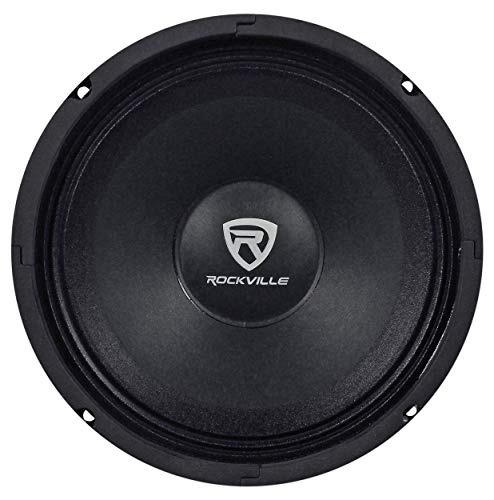
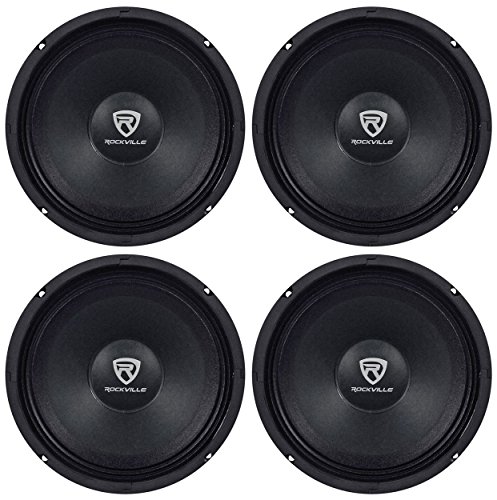
Car audio systems often struggle to keep vocals clear when paired with powerful subwoofers. Standard factory speakers lack the cone surface and motor strength needed to project mid-bass punch across highway road noise. Adding dedicated rockville 8 inch midrange speakers helps bridge the frequency gap between deep subwoofers and high-frequency tweeters. Drivers from Rockville feature stiff Kevlar-reinforced pulp cones, accordion surrounds, and large magnets to handle high volume without early breakup. If you want a balanced front stage or need high-SPL projection similar to custom loud vehicle sound systems, selecting the right driver geometry and impedance makes all the difference.
Matching driver specifications to your amplifier setup protects your equipment and ensures consistent sound reproduction. Models in this category range between 4-ohm and 8-ohm voice coil configurations, offering flexibility whether you run a single pair or wire multiple drivers in parallel. For installations requiring a shallow footprint, the RXM series provides a top-mount depth of 2.5 inches, while the RM PRO competition line uses deeper 3.46-inch baskets paired with 100-ounce motor structures. Evaluating CEA-rated power handling, physical clearances, and crossover cutoffs allows you to select speakers that integrate cleanly with your vehicle doors or custom baffles.



Frequently Asked Questions
What is the difference between 4-ohm and 8-ohm Rockville 8 inch midrange speakers?
The primary difference lies in electrical resistance and amplifier load matching. A 4-ohm driver draws more power from an amplifier channel, making it practical for standard door replacements. In contrast, 8-ohm models let you wire multiple drivers in parallel without dropping impedance below safe amplifier limits. Always verify your amplifier minimum impedance rating before wiring your configuration.
Do Rockville 8 inch midrange drivers need an external amplifier?
Yes, an external amplifier is strongly recommended to get the best performance from these drivers. Most head units supply only 15 to 20 watts per channel, whereas these speakers feature CEA ratings of 125 to 150 watts RMS. Supplying adequate, clean amplifier power prevents clipping distortion and keeps the high-temperature voice coils operating reliably during loud playback.
How do the Rockville RXM and RM PRO series differ in mounting depth?
Physical mounting depth is one of the most noticeable differences between the two designs. The RXM series features a shallow 2.5-inch top-mount depth that fits many stock door locations. In contrast, RM PRO models require 3.46 inches of depth and a 7.25-inch cutout to house their 100-ounce magnets. Measure your door panel and window clearance to determine if you need custom mounting baffles.
Why do these midrange speakers require high-pass crossover filtering?
Midrange drivers are built to handle vocal and instrument frequencies rather than sub-bass notes. Feeding frequencies below 80 Hz into these drivers causes excessive cone excursion and distortion. When integrating midrange speakers with dedicated car subwoofer enclosures, use an active high-pass filter or the included inline capacitor to keep low-end rumble away from the voice coil.
What role does the bullet phase plug serve on the RXM84 driver?
The acrylic bullet phase plug sits in the driver center to direct sound radiation and minimize phase cancellation. It also assists with thermal management by venting air away from the voice coil. This design helps the RXM84 reach frequencies up to 11 kHz, providing smooth transition points when paired with external tweeters.


Write Your Review
No reviews yet. Be the first to share your experience!